


 Share
Share

Cooking rice to a perfect consistency is a delicate balancing act that can occasionally go wrong due to incorrect water measurements or variations in grain age. Even when relying on a reliable appliance like the Usha Rice Cooker, an accidental slip of the measuring cup can leave you with a pot of crunchy or watery grains just as dinner is about to be served. Instead of throwing the batch away and starting over, a few quick mechanical and thermal fixes can help restore the structural integrity of the rice. Understanding how to manipulate steam and heat in the final minutes of cooking is a vital skill for any home cook, ensuring your side dishes remain a flavoursome and professional success.
Rescuing Crunchy Or Undercooked Grains
If your rice cooker clicks off but the grains are still hard or chalky in the centre, the issue is almost always a lack of sufficient moisture. To fix this, drizzle a few tablespoons of boiling water evenly over the surface of the rice, using about two tablespoons for every cup of cooked grain. Avoid using cold water as it will drop the internal temperature of the pot and stall the recovery process. Secure the lid immediately and turn the machine back to the warm or cook setting for another ten minutes, allowing the trapped steam to penetrate and soften the core of the rice without scorching the bottom.
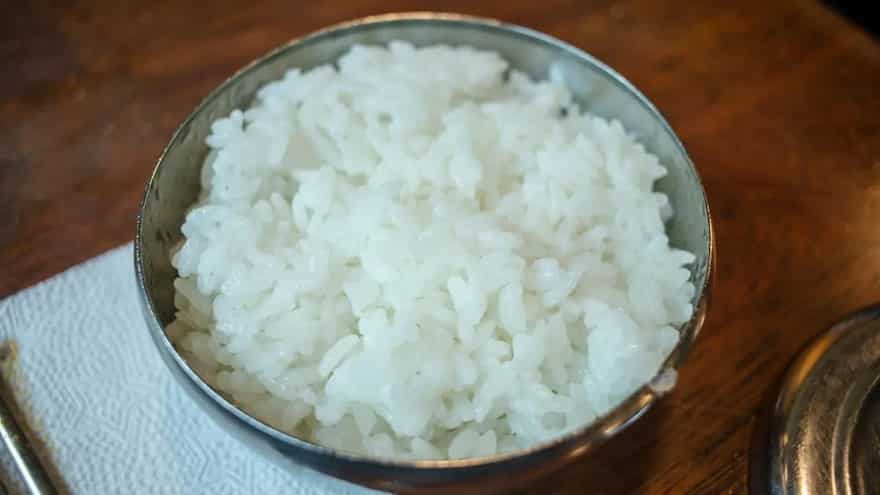
Image credit: Pexels
Drying Out Slightly Wet Or Mushy Rice
When you open the cooker to find the rice is cooked through but looks unpleasantly wet and sticky, you need to allow the excess moisture to escape as quickly as possible. Leave the lid completely off and let the machine remain on the keep-warm setting, which allows the ambient heat to evaporate the surface liquid. Gently fluff the grains with a silicone spatula or a fork to release the steam trapped between the layers, taking care not to mash the soft rice. This simple exposure to air can often firm up the starch structure within five to ten minutes, returning the batch to a more desirable, separate state.
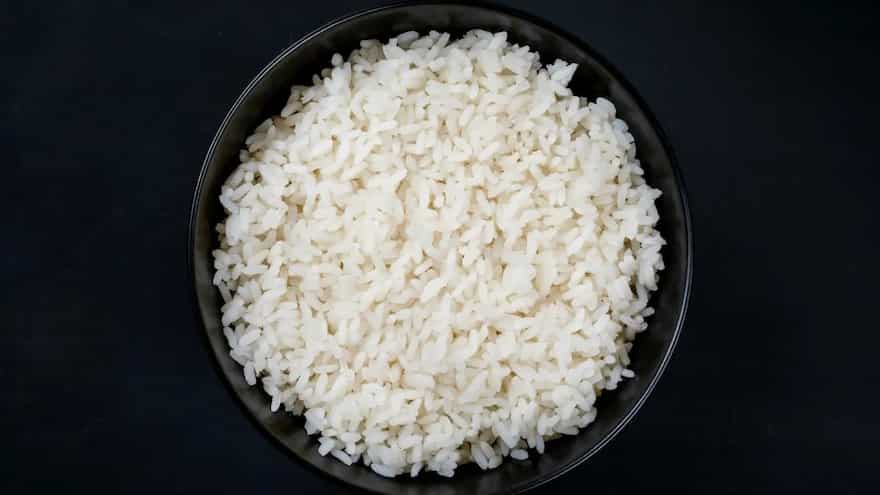
Image credit: Pexels
The Refrigerator Reset For Over-Hydrated Rice
If the rice has absorbed too much water and feels overly soft but has not yet turned into porridge, a quick temperature drop can help save the texture. Spread the wet rice onto a large baking tray in a thin, even layer to maximise the surface area exposed to the air. Place the tray into the refrigerator for fifteen to twenty minutes, as the dry, cold environment works rapidly to pull moisture away from the starches. This process firms up the exterior of each grain, making the batch ideal for transforming into fried rice or a dry pulao later in the evening.
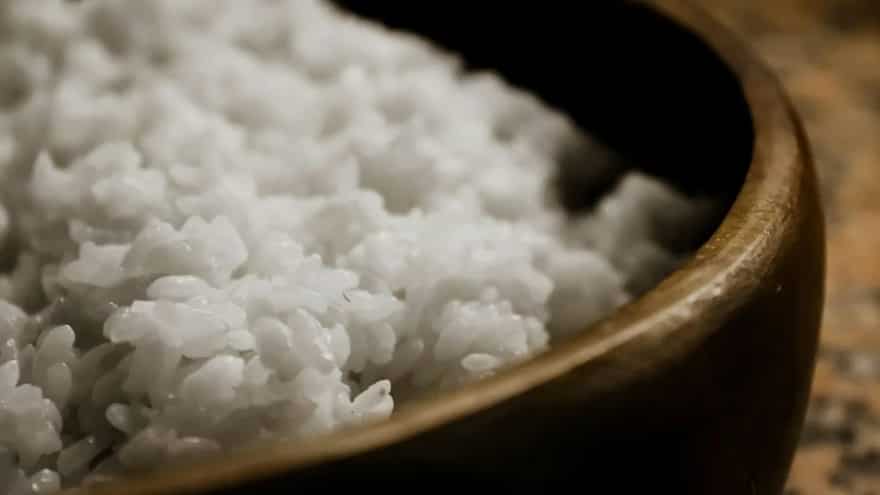
Image credit: Pexels
If you don’t have Usha’s Rice Cooker, Shop Now 
Transforming Excessively Mushy Grains
Sometimes a batch of rice is simply too far gone to be saved as a separate-grain side dish, but it can still find a purposeful second life in traditional comfort food. Excessively soft rice makes an excellent foundation for a quick, soul-warming congee or a comforting bowl of traditional khichdi. Simply transfer the overcooked rice to a saucepan, add a cup of vegetable stock or spiced buttermilk, and simmer it gently until it breaks down into a smooth, comforting porridge. Finishing the dish with a hot tempering of cumin seeds, ghee, and fresh ginger creates a revitalising and intentional meal that completely hides any initial cooking mistakes.

Image credit: Pexels
Preventative Calibration For Future Batches
The most effective way to eliminate texture issues entirely is to establish a strict rinsing and measuring routine before the ingredients ever enter the cooking bowl. Rinsing the raw rice multiple times removes the loose surface starch that often causes a sticky, mushy texture when cooked in enclosed steamers. Always use the specific measuring cup provided with your machine rather than a standard liquid measuring glass, as cooker capacities are calibrated to these unique volumes. Documenting how a specific brand or age of grain responds to your standard water ratio allows you to make minor, expert adjustments for a satin-smooth and predictable result every time.




