


 Share
Share

As Republic Day approaches, the urge to decorate our plates with the vibrant hues of the Tiranga is stronger than ever. However, as we move toward a more health-conscious and sustainable lifestyle in 2026, the era of heavy, synthetic food dyes is fading. Nature offers a breathtaking spectrum of pigments that are not only visually stunning but also packed with antioxidants and vitamins. If you’re looking to achieve that perfect saffron and deep green without the chemical aftertaste, here are five sophisticated, all-natural ways to colour your Republic Day feast.
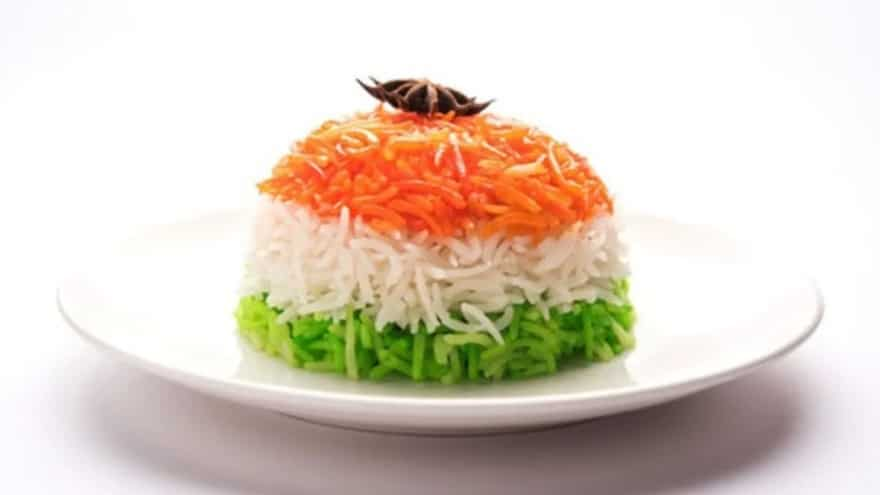
Image credit: Adobe stock
1. The Saffron Gold: Real Kesar & Kashmiri Mirch
The "Saffron" in our flag represents sacrifice and courage. To achieve this earthy, golden-orange hue, look no further than the spice cabinet.
• The Method: Soak a generous pinch of high-quality Saffron (Kesar) in two tablespoons of warm milk or water for 20 minutes. This creates a royal, glowing orange-yellow perfect for biryanis, idlis, or phirni.
• The Pop: If you need a deeper, more fiery orange for savoury dishes, use Kashmiri Red Chili powder bloomed in warm oil or ghee. It provides the iconic colour with a mild, smoky warmth rather than intense heat.
2. The Verdant Green: The Power Of Pureed Spinach (Palak)
Green represents fertility, growth, and auspiciousness. Spinach is the gold standard for natural food coloring because it is neutral enough to be used in both savory and certain sweet applications.
• The Method: Blanch a handful of fresh Spinach leaves in boiling water for 60 seconds, then immediately plunge them into ice water (this shocks the chlorophyll to keep it bright green). Blend into a smooth paste.
• Best For: Folding into dough for Tiranga Parathas, mixing into batter for Pista-green Dhoklas, or whisking into a savoury yogurt dip.
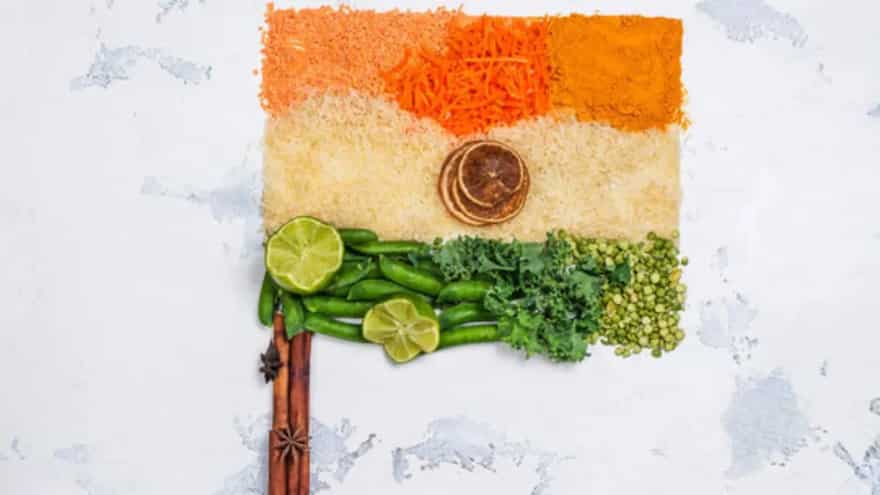
Image credit: Adobe stock
3. The Sunset Orange: Carrot & Pumpkin Concentrates
For a bright, citrusy orange that works beautifully in desserts and juices, root vegetables are your best friend.
• The Method: Juice two large Carrots and simmer the juice on low heat until it reduces by half. This creates a potent, natural orange concentrate. Alternatively, roasted and pureed Pumpkin or Butternut Squash provides a thick, creamy orange base.
• Best For: Colouring pasta dough, flavouring cupcakes, or creating the top layer of a tricolour fruit parfait.
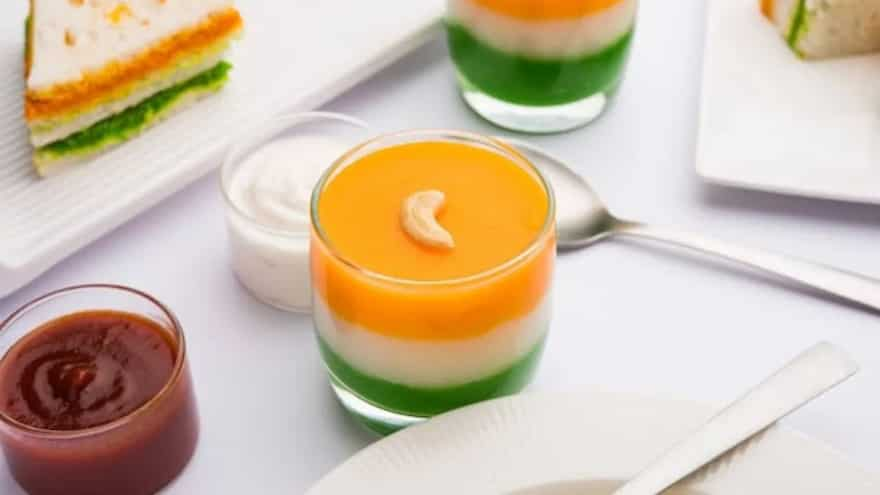
Image credit: Freepik
4. The Deep Emerald: Matcha & Fresh Herbs
If you are looking for a more modern green, perhaps for a Republic Day brunch cocktail or a contemporary dessert, herbaceous greens offer a different flavour profile.
• The Method: For desserts, use high-grade Matcha (Green Tea) powder. Its fine texture mixes seamlessly into white chocolate or cake batter. For savoury dishes, a blend of Fresh Coriander and Mint with a dash of lemon juice (to prevent browning) creates a sharp, patriotic emerald.
• Best For: Matcha-infused white chocolate truffles or a vibrant "Green Goddess" chutney to accompany your snacks.
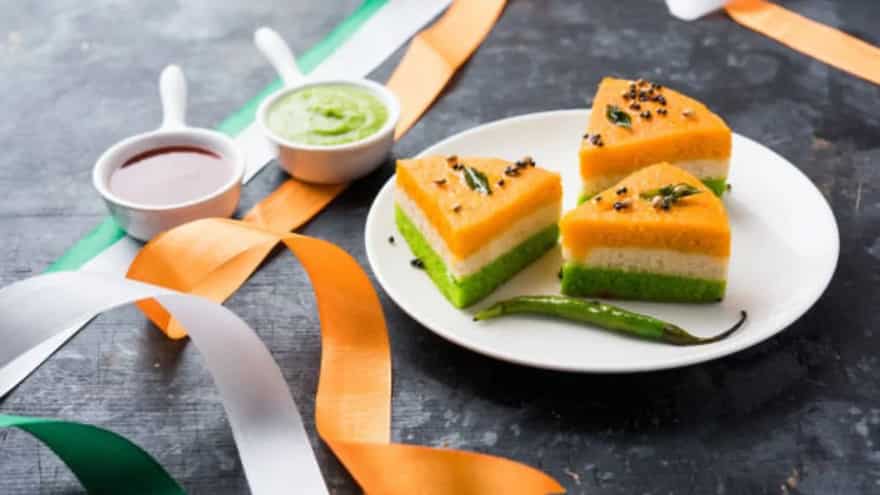
Image credit: Adobe stock
5. The Zesty Orange: Turmeric & Paprika Fusion
Sometimes, you need a warm, sun-kissed orange that stands out against a white background.
• The Method: Mix a half-teaspoon of Turmeric (Haldi) with a pinch of Smoked Paprika. The turmeric provides the yellow base, while the paprika pulls it into the orange spectrum.
• Best For: Coating roasted fox nuts (Makhana), flavouring popcorn, or seasoning the orange layer of a layered rice dish.
Pro-Tips for Working With Natural Colours:
1. Start Concentrated: Because natural colours contain water, adding too much can change the consistency of your dough or batter. Always use a concentrated paste or reduction.
2. The Acid Factor: A drop of lemon juice can help keep green colours bright, but be careful, too much acid can sometimes turn spinach-based dyes into a dull olive brown.
3. Taste Pairing: Remember that natural colours carry flavour. Match your green (Spinach) with savoury dishes and your saffron (Carrot/Saffron) with items that benefit from a hint of sweetness or earthiness.




