


 Share
Share

Butter sculpture made its debut during the centenary and reached its peak in the first quarter of the twentieth century in the United States. Its origins can be traced back to ancient food moulds and table art for Renaissance feasts. Butter sculpture began to appear at fairs and expositions as the dairy industry transitioned from farms to local cooperative creameries and ultimately to national brands. This uncommon medium was utilised by both professional and amateur sculptors for building models, dairy-related items, and busts and portraits. Crowds flocked to shows promoting butter as a natural, healthful substitute for oil-based margarine because of the transient nature of the medium and the unusual nature of food as art.
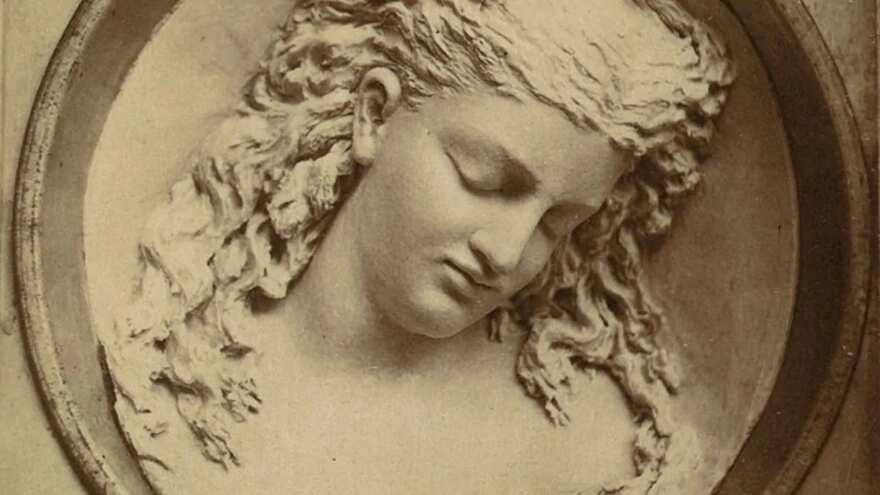
Image Credit: Wikimedia Commons
The History Of Butter Sculptures
Chef Bartolomeo Scappi threw a sumptuous meal at Rome's Trastevere in 1536. Using butter sculptures of Hercules, an elephant, and a camel, he equated cookery to building and used the table as a stage. Despite the long history of food art, butter sculpting was first mentioned in a European cookbook called The Opera of Bartolomeo Scappi(1570). These tableaus, referred to in Italian as trionfi da tavola, or ‘triumphs of the table,’ had become staples of Baroque banquets by the middle of the 17th century. More often, marzipan, sugar, or ice was used to make them. Since the early 1400s, Tibetan Buddhist monks in the East have been making offerings of yak butter. Usually constructed from wheat, water, and butter, these dairy decorations are a kind of decorative gift that features everything from suns and moons to lotus flowers and lamps. They are often left to melt in a symbolic commentary on the transience of existence, a form of existential art, while being kept in caves or special shrine boxes.
However, owing to a new generation of practitioners, butter sculpture is once again embellishing dinner tables, some 500 years after Scappi created his statua di burro.
Butter Sculptures In The Modern Day
Building on the past, butter sculpting has significance and is more than a passing trend. Butter adds warmth, texture, and a connection to local agriculture. It's food transformed into form, while ice sculpture is valued for its translucence, scale, and the dramatic moment of melting.
Butter is suitable for weddings, festivals and dairy exhibitions where culinary symbolism and long-lasting details are important. It can be sculpted indoors without the need for enormous blocks of frozen water, coloured or flavoured, and preserved longer in cool circumstances. A plus point is that you can actually scrape the butter and consume it too with your choice of breads and buns that are offered there. Butter also melts, of course, but in a more dramatic, slow-mo way and lasts longer.
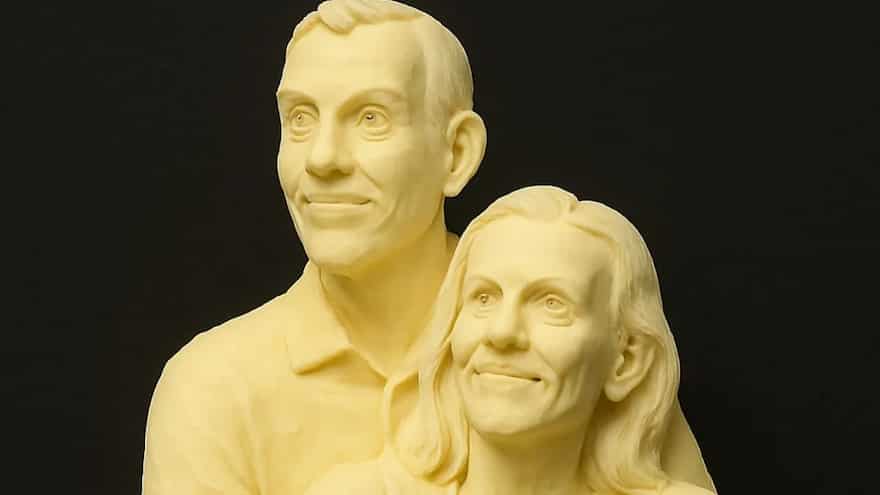
Image Credit: Ohio State Fair
According to a People’s article, Zanny Lannin and Alex Mace received a surprise at their rehearsal dinner in Minneapolis on July 18, 2025, where a life-size butter sculpture was made for them. Gerry Kulzer, who is a well-known butter artist from the Minnesota State Fair, carved the 80-pound sculpture from two huge blocks of butter. Zanny's family's longstanding connections to the fair and dairy industries made the gift meaningful. During the cocktail hour, guests were able to savour the butter with bread. How fun is it when you can eat art? Art that can be eaten is surely a fun way to have a fun wedding theme. Everyone should try it.
So, certainly, at a time when couples are moving away from cookie cake towers and ice sculptures, butter sculptures bring back the appreciation of craftsmanship and attention to detail. It is something that is made painstakingly, meant to be seen for a long time, and meant to spark discourse long after the wedding. Because they are so photogenic, these sculptures are the new, distinctive statement to make in the age of social media, where every frame tells a story. They let chefs and planners play around with form and texture while incorporating themed menus, regional traditions, and innovative design ideas.




