


 Share
Share

Summer meals across India often feel incomplete without having a small spoonful of lemon pickle on the plate. Sharp, salty, tangy and sometimes a little bitter, lemon pickle somehow manages to elevate even the simplest of meals, such as dal-rice. During peak summers, when appetites tend to decline and meals become much lighter, these pickles add the kind of punch that makes an everyday meal far more compelling. Many Indian homes also prepare lemon pickles during hot months because the intense sunlight helps them soften more naturally while deepening the flavour over time.
What makes Indian lemon pickles particularly interesting is knowing how differently every region gives their own variation to the same ingredient. Some recipes depend heavily on chilli and oil, whereas others use jaggery, fenugreek, mustard or even some roasted spices for the extra added depth. In some homes, the lemons are aged slowly for weeks until soft and mellow.
In others, the pickle is prepared fresh and fiery for immediate use. These recipes are not just add-ons, they also reflect the climate, local spice preferences and kitchen habits that have been passed down through generations.
Gujarati Chhundo-Style Lemon Pickle
Gujarati lemon pickle often has perfectly sweet, spicy and tangy flavours instead of focusing only on the heat. Lemon pieces are combined with salt and rested until it turns soft, then cooked gently with the jaggery, red chilli powder and the roasted spices. Some households also add a hint of roasted methi powder for a little bitterness.
The final pickle feels sticky and full of flavours, having a deep, sharp citrus edge with a sweet undertone. Theplas, dal-rice or even plain khichdi pair beautifully with Gujarati style chundo when lighter meals need something bright as well as punchy alongside.

(Image credit: Wikkimedia Commons)
Punjabi Nimbu Achaar
Punjabi-style lemon pickle usually feels bold, sharp and more heavily spiced. Whole lemons are cut, salted generously and then sun-cured for days until the peels turn soft naturally. Thereafter, mustard seeds, red chilli powder, fennel, fenugreek and mustard oil are added generously to this. Some versions include green chillies as well for additional heat.
The taste turns intensely tangy, having a slightly bitter finish from the peel and the mustard oil. This pickle pairs best with stuffed parathas, curd rice or simple aloo sabzi because a tiny spoonful adds immense flavour to otherwise simple meals.
South Indian Elumichai Oorugai
Tamil-style lemon pickle, often called Elumichai Oorugai, usually tastes much brighter and more fragrant rather than being too oily. While making, lemon pieces are first softened with salt before tempering them with ingredients such as mustard seeds, curry leaves, hing, and dried red chillies, which are added to the sesame oil. Some homes also mix turmeric and roasted methi powder for the warmth and depth.
The pickle often feels much lighter yet sharper when compared to the North Indian versions. It pairs particularly well with curd rice, thayir sadam and soft dosas because the tanginess cuts through comforting rice dishes during hot summer days.
Rajasthani Lemon Chilli Pickle
Rajasthan’s dry climate heavily impacts its pickle traditions as well, as this lemon pickle mirrors that perfectly. Lemons are mixed with salt, turmeric and large amounts of red chilli before being sun-dried under the strong sun. Many recipes skip the excessive oil altogether and depend more on the spices and sunlight for preservation. Some versions include whole green chillies that are stuffed into the pickle mixture as well.
The flavour turns fiery, sharp and intensely concentrated after proper curing. This pickle tastes amazing when paired with bajra rotis, gatte ki sabzi or even as simple dal because its heat cuts through rich foods.
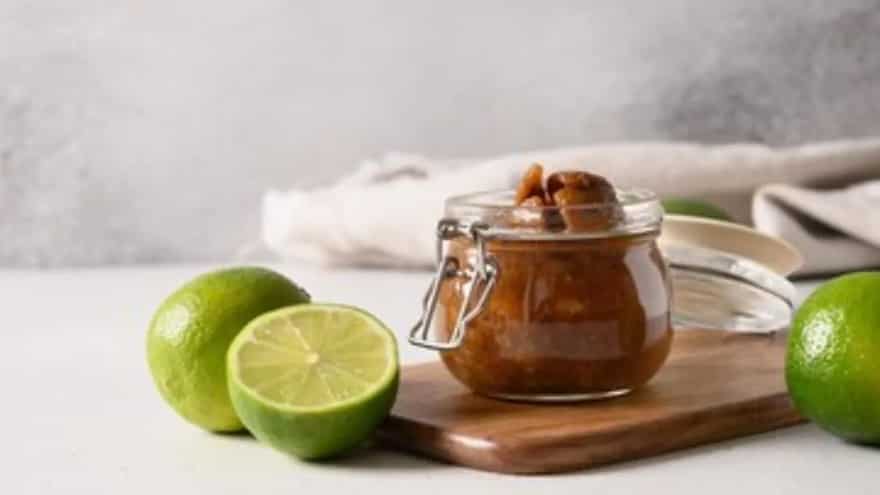
(Image credit: Freepik)
Hyderabadi Lemon Pickle
Hyderabadi lemon pickle often has deep spice flavours because of the abundant use of garlic, chilli and roasted masalas. Lemon wedges are salted first until they turn tender a bit, then mixed with mustard powder, red chilli, garlic and then infused with warm oil with curry leaves. Some families also add a little roasted cumin for the extra smokiness.
The result feels extremely savoury, spicy and also richly layered rather than just simply being sour. It pairs beautifully with biryani, khichdi-kheema or even plain curd rice. The garlic particularly gives this version a strong, more lingering flavour as compared to simpler regional pickles.




