


 Share
Share

As the mercury begins its relentless climb across the Indian subcontinent, the landscape offers a fleeting, jewel-like consolation. They arrive in small wicker baskets, often balanced on the heads of street vendors or nestled in the corners of local mandis. Falsa, known botanically as Grewia asiatica, is a fruit that defines the essence of an Indian summer. These tiny, dark purple berries are roughly the size of a blueberry but pack a punch of astringent sweetness that is entirely unique. While the mango often steals the spotlight as the king of fruits, the Falsa is perhaps the humble prime minister of the heat. It works tirelessly behind the scenes to keep the body cool and the palate refreshed. Despite its deep roots in the cultural fabric of South Asia, this fruit remains relatively under-utilised in modern commercial culinary circles, making it a seasonal treasure for those in the know.
The Botanical And Historical Context
The Falsa tree is a hardy, deciduous shrub that belongs to the Tiliaceae family. It is native to India and Southeast Asia, flourishing in the arid and semi-arid regions where other plants might struggle. The plant is incredibly resilient, capable of surviving temperatures that would make a cactus sweat. It is this very resilience that seems to be distilled into the fruit itself. Historically, Falsa has been more than just a snack. In Ayurvedic traditions, it is celebrated for its Pitta-pacifying qualities. For those unfamiliar with the terminology, Pitta represents the fire element in the body. When the summer sun aggravates this fire, leading to acidity, skin rashes, or heatstroke, Falsa is the traditional prescription to restore balance.

Image credit: Pixabay
A Nutritional Powerhouse In A Tiny Package
Do not let the diminutive size of the Falsa berry fool you. It is a concentrated source of essential nutrients and bioactive compounds. From a scientific perspective, the deep purple hue of the skin is a clear indicator of high anthocyanin content. These are powerful antioxidants that help the body combat oxidative stress and inflammation.
1. Managing Glycaemic Levels
Falsa is a fruit with a low glycaemic index. This makes it an excellent choice for individuals managing diabetes or those looking to regulate their blood sugar levels. The presence of certain compounds in the fruit helps in maintaining a steady release of glucose into the bloodstream, preventing the spikes often associated with sweeter summer fruits.
2. Respiratory Health
Interestingly, traditional medicine has long used Falsa to treat respiratory issues. The juice of the fruit, often mixed with a pinch of ginger and rock salt, is believed to soothe the throat and clear congestion. Its anti-inflammatory properties may also provide relief from asthma and bronchitis symptoms.
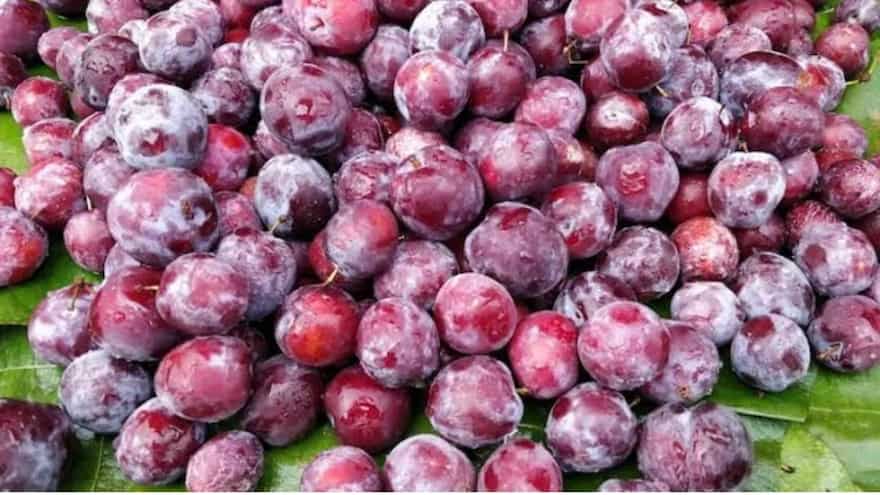
Image credit: Freepik
3. Heart Health And Circulation
The berries are rich in potassium and low in sodium, a combination that is vital for maintaining healthy blood pressure. Furthermore, the iron content in Falsa is significant enough to help combat anaemia, particularly in children and pregnant women who may be prone to mineral deficiencies.
4. Digestive Aid
The cooling nature of the fruit extends to the digestive tract. It acts as a mild astringent, which can be helpful in treating indigestion and stomach aches. In many households, a glass of Falsa juice is the go-to remedy for a bloated stomach after a heavy summer meal.
Culinary Applications Beyond The Basket
Most people enjoy Falsa in its simplest form: washed, sprinkled with a bit of black salt (kala namak), and eaten by the handful. However, its high acidity and vibrant colour make it a versatile ingredient in the kitchen. The primary challenge with Falsa is its short shelf life. These berries do not ripen after being picked and can spoil within forty-eight hours. This urgency has led to the development of various preservation and cooking methods.
Beverages
The most famous application is Phalsa Sharbat. This is not just a juice; it is a cultural icon. The deep magenta liquid is often sold in glass bottles at railway stations or made at home in large earthen pots. Beyond the basic juice, Falsa can be used to create sophisticated mocktails, infused with rosemary or lime, or even used as a base for a summer sangria.
Preserves And Condiments
The high pectin content in Falsa makes it ideal for jams and jellies. Since the fruit is naturally tart, it requires less added lemon juice than other fruits to set. Falsa chutney, which balances the fruit's sourness with jaggery and spices like cumin and chilli, is a fantastic accompaniment to parathas or grilled meats.
Modern Twists
Contemporary chefs are beginning to experiment with Falsa in salads and desserts. A Falsa sorbet is perhaps the ultimate palate cleanser, offering a sharp, cold burst of flavour that resets the tongue. It can also be reduced into a syrup to drizzle over panna cotta or cheesecake, providing a striking visual contrast.
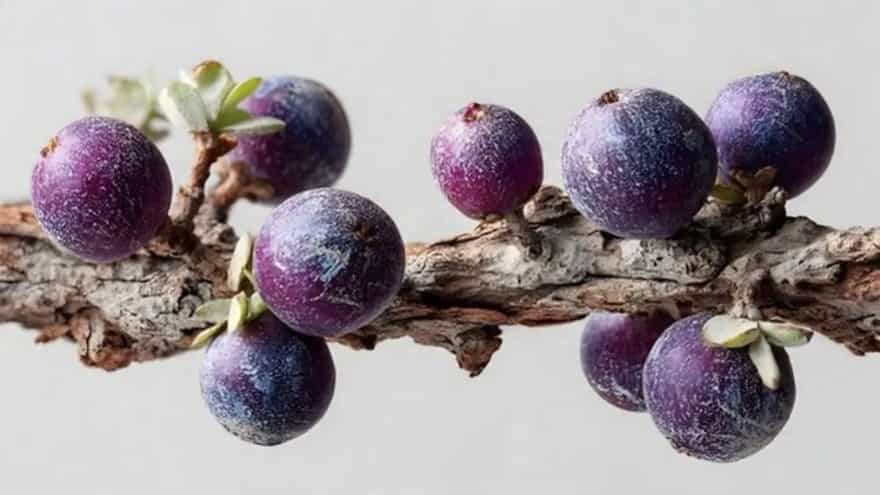
Image credit: Adobe Stock
Traditional Falsa Recipes
1. The Classic Phalsa Sharbat
This recipe requires no cooking, preserving the heat-sensitive Vitamin C and the fresh flavour of the berries.
• Ingredients: 250g fresh Falsa, 1 litre chilled water, 4 tablespoons sugar or jaggery powder, 1 teaspoon roasted cumin powder, 1/2 teaspoon black salt, fresh mint leaves for garnish.
• Method: Wash the berries thoroughly. In a large bowl, add the berries and half a cup of water. Use your hands to mash the berries until the pulp separates from the seeds. Strain the mixture through a sieve into a jug, pressing down to extract all the juice. Add the remaining water, sugar, cumin, and black salt. Stir until dissolved. Serve chilled with mint leaves.
2. Spiced Falsa Chutney
This chutney is a perfect balance of sweet, sour, and spicy notes.
• Ingredients: 200g Falsa, 100g jaggery, 1/2 teaspoon red chilli powder, 1/4 teaspoon fennel seeds, a pinch of asafoetida, salt to taste.
• Method: Heat a small amount of oil in a pan and add the fennel seeds and asafoetida. Add the washed Falsa berries and cook for five minutes until they soften. Add the jaggery and a splash of water. As the jaggery melts, mash the berries slightly with the back of a spoon. Add the chilli powder and salt. Simmer until the mixture reaches a thick, jam-like consistency. Let it cool before storing in a glass jar.
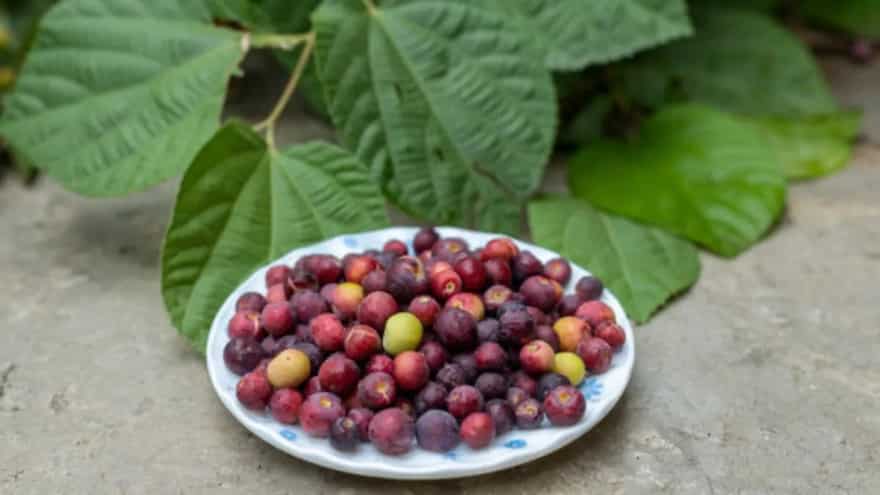
Image credit: Adobe Stock
Selection And Storage Tips
When buying Falsa, look for berries that are deep purple or almost black. These are the ripest and sweetest. Avoid berries that are mostly red or green, as they will be excessively sour. Because they are so delicate, it is best to buy them in small quantities and consume them on the same day. If you must store them, keep them in a single layer on a paper towel in a ventilated container in the fridge for no more than a day or two.




