


 Share
Share

Chutneys in India are often used like side dishes, small spoonfuls, used with dosas, parathas, rice, or even with snacks. Across India, some chutneys have whole histories of climate, foraging, farming, preservation, and the hint of regional identity that they have linked with them. Many of these recipes were not designed for restaurant menus or social media trends, but they were born from forests, seasonal needs, mountain spices, tribal practices and kitchens that knew how to make flavour from whatever nature had to offer nearby.
This is why India’s chutney culture extends far beyond just the familiar mint, coconut, or tamarind versions. In some parts, people grind red ants for a naturally sour, fiery paste, yes, you read that right. Elsewhere, fermented fish, tree bark, wild herbs, dried shrimp, or even sesame and curd evolve deeply local condiments having strong personalities. Some are smoky, some too pungent, whereas others taste earthy, a bit fermented, nutty, or too spicy in ways that feel totally different from the mainstream chutneys.
These distinctive regional chutneys may amaze those not acquainted with them, but for the communities that make them, they are comfort food and local wisdom. Here are a few unusual regional chutneys that are enjoyed all around India, with great pride, blending in all the locality and seasonality:
Kai Chutney, Odisha
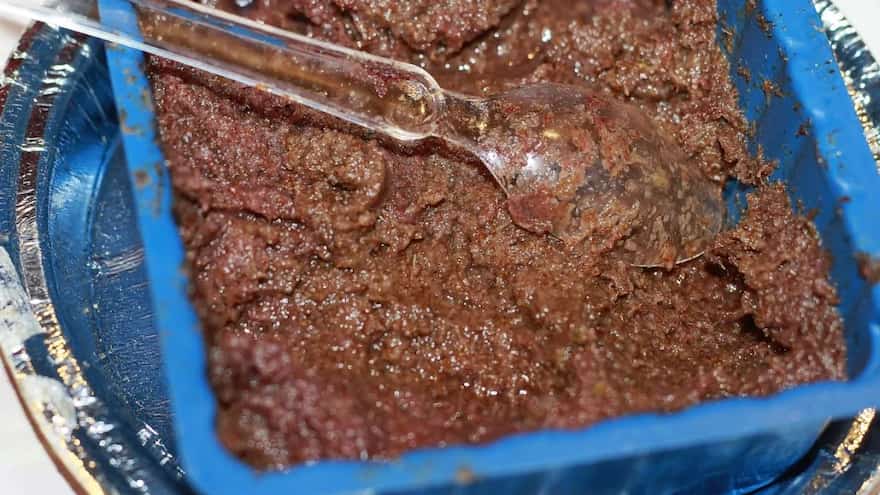
Perhaps one of India’s most talked-about unusual chutneys is Kai Chutney, which is prepared using red weaver ants and their eggs. The ants are collected, cleaned, and then ground with garlic, chillies, ginger, and salt to taste to make a fiery paste. What surprises many first-time eaters is not just the use of ants, but the taste itself, i. e, sharp, tangy, spicy, smoky, and nearly citrusy because of the natural formic acid that is available in the ants.
It is popular among many tribal communities in Odisha’s Mayurbhanj region. This chutney is deeply linked to forest food customs and seasonal foraging practices that existed long before the superfoods” became trendy.
(Image credit: Freepik)
Tungtap Chutney, Meghalaya
In Meghalaya’s Khasi kitchens, Tungtap chutney has the kind of strong fragrance that announces itself before the plate even comes to the table. Prepared using fermented dry fish pounded with onions, green chillies, garlic, and sometimes roasted tomatoes, this chutney is extremely smoky, salty, and deeply savoury.
The fermentation gives it a sharp umami depth that can feel overwhelming to first-time eaters but comforting for the locals who grow up with its flavour. Usually paired with rice, smoked meats, or simple vegetable dishes.
Inghor Chutney, Maharashtra
Among the Koli fishing communities residing in coastal Maharashtra, Inghor chutney represents the sea in its most substantial form. Prepared with dried shrimp, coconut, garlic, tamarind, and red chillies, this chutney is extremely savoury and has a smoky taste with a lingering sharpness of seafood. The dried shrimp are roasted before they are ground, giving the chutney a deep, toasted flavour that pairs beautifully with bhakri or even any simple rice meals.
Unlike the smoother urban chutneys, Inghor feels solid and powerful on the palate. It has the salty humidity of fishing villages and the usefulness of preserving seafood flavours long before refrigeration became common.
Bhang Ki Chutney, Uttarakhand
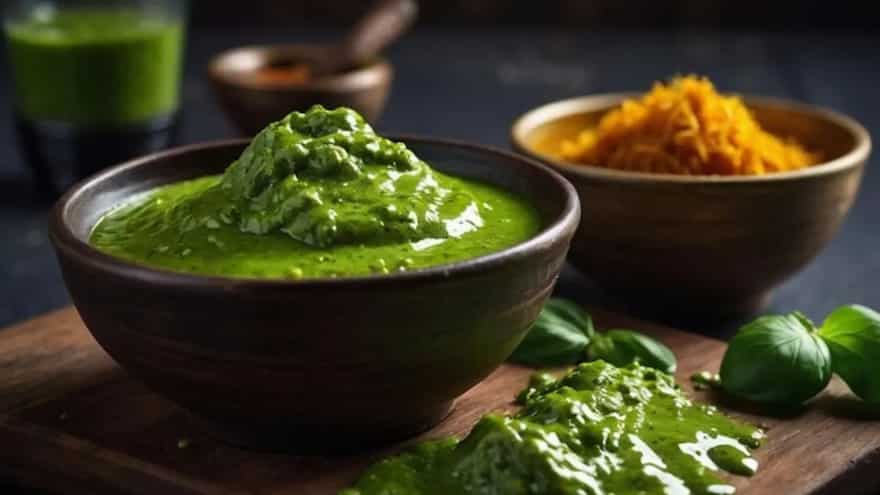
In Uttarakhand, bhang ki chutney has little to do with intoxication and everything to do with taste. Prepared by roasting hemp seeds that are blended with green chillies, lemon, garlic, and coriander, this chutney tastes nutty, smoky, earthy, and also a bit tangy all at once. The roasting process is important as it unlocks a warm fragrance that almost resembles the toasted sesame or the peanuts.
Traditionally paired with simple pahadi meals such as mandua rotis and dal, bhang ki chutney reflects how the Himalayan cooking often makes extraordinary flavour from little ingredients sourced straight from local terrain and seasonal agriculture practices.
(Image credit: Freepik)
Til Chutney, Bihar And Jharkhand
Til chutney from Bihar and Jharkhand is proof that even sesame seeds can become something intensely flavourful, having the right balance. Roasted sesame is ground with garlic, green chillies, mustard oil, lemon juice, and sometimes tomatoes to make a thick, smoky chutney that feels rich without being too heavy. The taste shifts between being nutty warmth and sharp pungency because of the use of mustard oil.
Often eaten during winters or on the side of litti-chokha, this chutney reflects eastern India’s love for the bold flavours prepared from simple pantry staples instead of elaborate ingredients or complex cooking processes.




