


 Share
Share

Recreating the luxurious experience of a professional juice bar in your own kitchen requires more than just high-quality produce; it demands a process that respects the biological integrity of every ingredient. The Usha Cold Press Juicer allows you to extract liquid at a gentle pace, ensuring that friction-induced heat is minimised and the natural brilliance of your harvest is maximised. By mastering a few professional strategies, from managing ingredient temperature to understanding the specific order of extraction, you can produce juices that are remarkably smooth and packed with the revitalising flavours of the season, all while enjoying the convenience of a home-based setup.
1. Pre-Chill Your Produce
To achieve that crisp, straight-from-the-bar freshness, you should always refrigerate your fruits and vegetables for at least four hours before you begin the extraction process. Cold produce is naturally more rigid, which allows the internal mechanisms to pulverise the cells more efficiently and extract a higher yield of liquid. This step also prevents the juice from warming up as it is processed, which is vital for keeping the flavours bright and minimising the rate of oxidation that can lead to a flat or bitter taste.
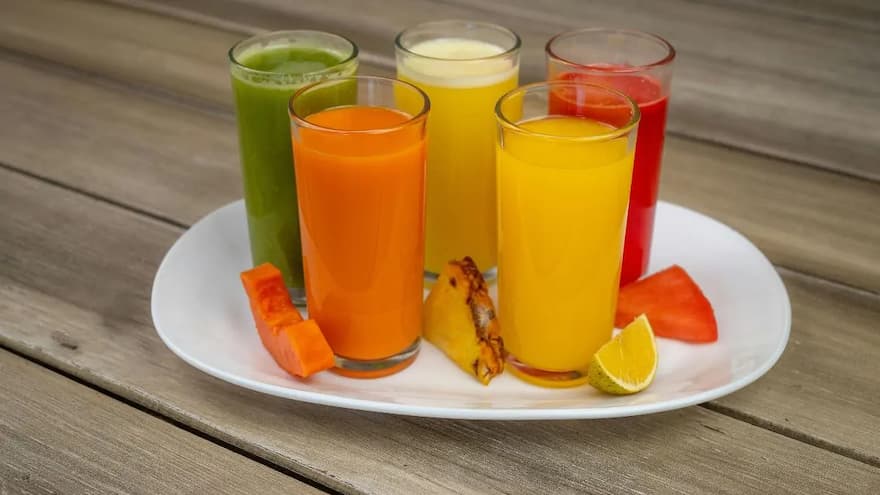
Image credit: Pexels
If you don’t have Usha’s Cold Press Juicer, Shop Now  .
.
2. The Soft-Hard Alternation Method
For a consistent flow and to prevent any potential clogging within the mesh, it is best to alternate between soft, fibrous ingredients and hard, dense ones. You should feed a few leaves of greens or segments of soft citrus, followed immediately by a firm carrot or a crisp apple. The harder produce acts as a natural pusher, clearing out any trapped pulp from the fine filters and ensuring you maximise every drop of juice from the more delicate, high-moisture items.
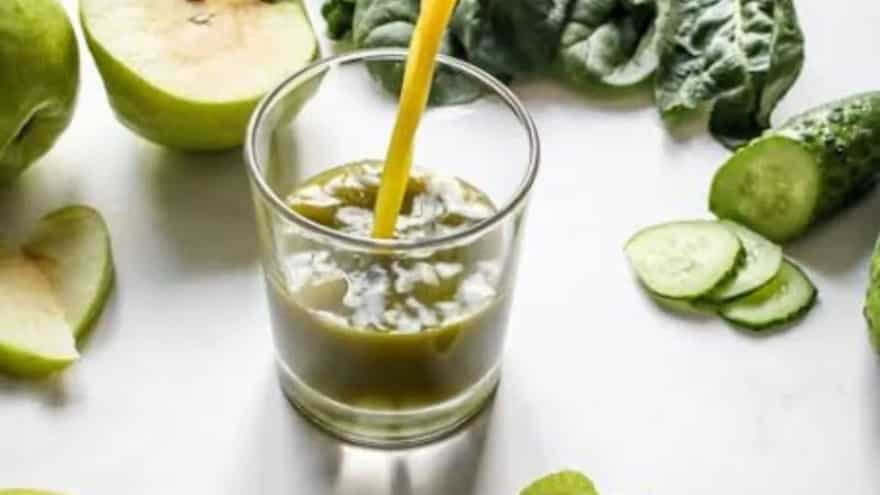
Image credit: Pexels
3. Botanical Infusion Via Extraction
You can elevate your homemade drinks from basic juices to gourmet blends by processing fresh herbs and aromatics directly through the machine rather than adding them as a garnish at the end. When you feed mint, ginger, or lemongrass through with your base fruit, the essential oils are fully emulsified into the liquid, providing a deep and consistent flavour profile. This technique ensures that the aromatic notes are integrated throughout the drink and do not simply float on the surface or settle at the bottom.
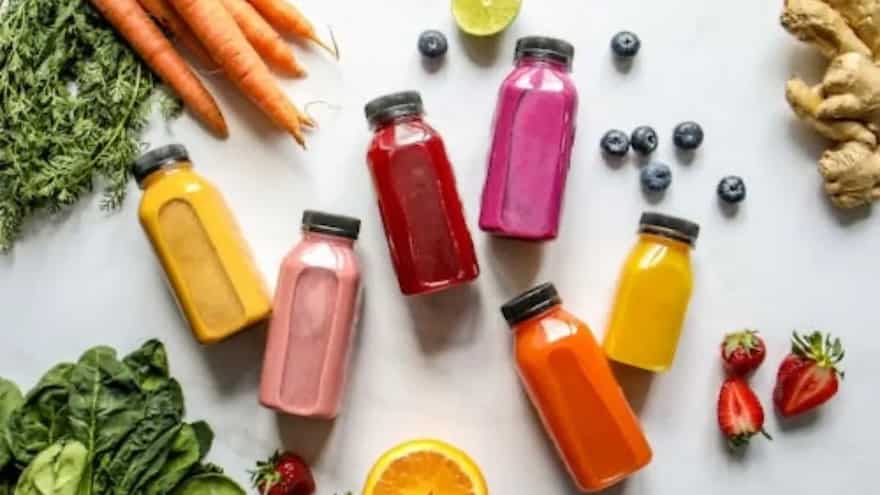
Image credit: Pexels
4. Managing Aeration And Foam
Premium cafe juices are known for their clear, non-frothy appearance which is a direct result of low-air incorporation during the pressing stage. While a slow-press method naturally minimises bubbles, you can further refine the texture by letting the juice settle for a minute before pouring it into a glass. This brief pause allows any tiny micro-bubbles to rise to the surface, leaving you with a satin-smooth, professional finish that looks as good as it tastes.
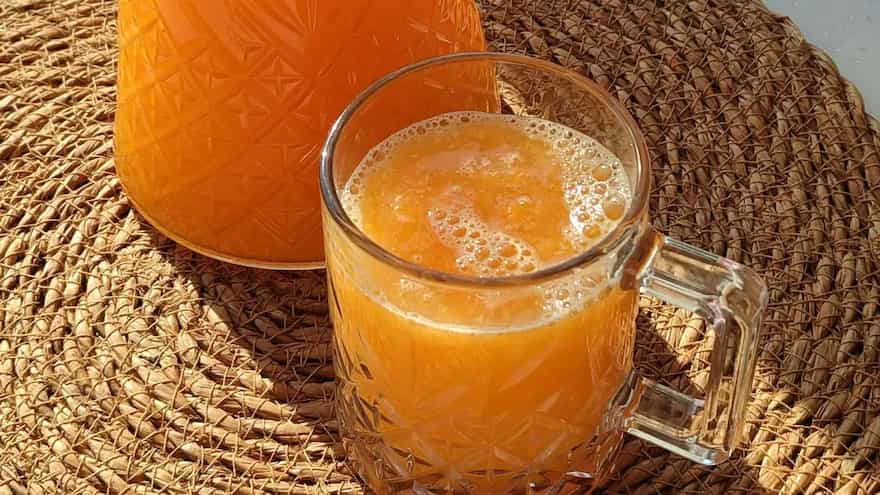
Image credit: Pexels
5. Customising Your Pulp Content
Many juice enthusiasts prefer to tailor the thickness of their drink to suit their specific nutritional goals or personal preferences for mouthfeel. You can mimic the tiered options of a juice bar by utilising different filters; a fine mesh is ideal for refreshing hydrators like watermelon, while a coarser filter works better for superfood blends containing mango or berries. This flexibility allows you to control the fibre content and density of your beverage, ensuring it perfectly matches the occasion.




