


 Share
Share

Diwali, the festival of lights, is just around the corner. This festival is also synonymous with sweets such as gujiya, peda, gulab jamun, and other sweets that are prepared in households using the main ingredient khoya or mawa. Khoya is loved for its creamy texture, rich flavour, and it adds depth to desserts. With festivities, the demand for khoya increases, and often adulterated or fake versions that are prepared from milk powder, starch, or chemical whiteners are sold in markets. The adulterated version may look similar to the real khoya, but it lacks the authentic taste, fragrance, and texture.
Using fake khoya compromises not only the taste but also the shelf life of your festive treats. Understanding how to identify genuine khoya is therefore very important, particularly when buying in bulk for sweets preparations during festivities. Knowing the appearance, texture, aroma, taste, and sourcing, you can ensure Diwali sweets remain tasty, authentic, and safe to consume.
Appearance And Texture
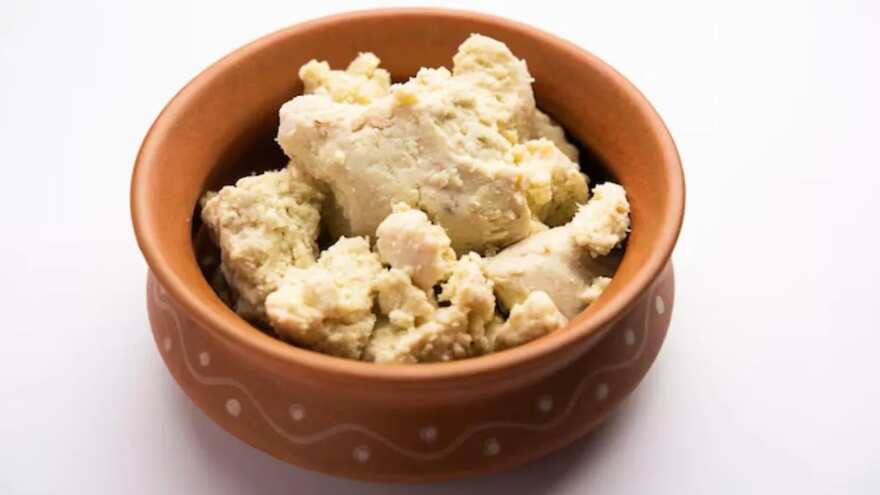
The texture of authentic khoya is slightly grainy, soft, and moist and has a natural off-white colour. Fake khoya often has an unnatural, bright white colour and is extremely smooth because of the added chemicals or from the milk powder. Real khoya crumbles a little when pressed, whereas fake khoya is hard, stretchy, and sometimes overly sticky. A quick visual and touch inspection can disclose whether the khoya is fake or real. Avoid khoya that seems shiny or like plastic, as it implies impurity or heavy use of starch and artificial whiteners.
Smell And Aroma
Real khoya has a fresh, milky, and slightly caramelised smell. Fake khoya, often prepared from milk powder or from synthetic additives, does not have this creamy fragrance and may smell like chemicals or bland. Smelling the khoya before buying is an easy but useful way to distinguish between real and fake. The aroma of real khoya should produce the richness of milk and a slight sweetness, which is not available in fake ones that try to imitate texture but not flavour.
Taste
Authentic khoya has a creamy, slightly sweet, and milky flavour with a melt-in-mouth texture, whereas, on the other hand, fake khoya may taste bland, powdery, or very sweet due to added sugar or synthetic components. Real khoya mixes smoothly into desserts, whereas fake ones may feel gritty, damp, or leave a chalky aftertaste. Testing a small piece before buying can help from preventing to but the fake khoya. Real khoya sweetens the flavour of sweets naturally, whereas adulterated ones adulterate taste and can overwhelm desserts with their artificial flavours.
Moisture Content
Real khoya is naturally moist, which keeps it soft but firm. Fake khoya is often too dry or too wet because of added milk powder or preservatives. Too-dry khoya crumbles too much, whereas too-wet khoya may ooze out water when pressed. Real khoya holds its shape, feels flexible, and slightly bounces back when touched. Checking the moisture before buying guarantees that the khoya is not adulterated nor processed with harmful chemicals. Fresh khoya lasts a few days in the refrigerator without being sticky.
Price And Source
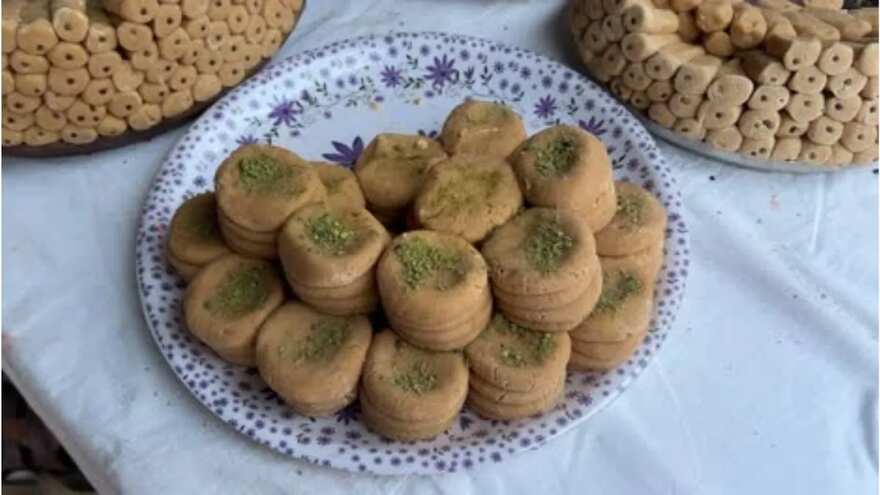
Real khoya is prepared by boiling full-fat milk for hours on a low flame. Fake khoya is cheaper as it is prepared from milk powder, starch, or synthetic chemicals. Always keep in mind to buy khoya from a trusted place, reputed sweet shops, or from local trusted vendors. If you are buying packaged khoya, check for the packaging dates and freshness. A lower price for buying bulk khoya can mean it is adulterated.




