


 Share
Share

Every year the coastal town of Puri in Odisha witnesses an ocean of devotion but the upcoming Jagannath Rath Yatra on July 16 2026 promises to be a deeply transformative event. On this auspicious Thursday millions of devotees will gather on the Bada Danda or the Grand Road to pull the massive wooden chariots of Lord Jagannath Lord Balabhadra and Goddess Subhadra. The sheer scale of this festival leaves every traveller mesmerised. The three magnificent chariots named Nandighosa Taladhwaja and Darpadalana become the centre of the universe for countless faithful souls. The air resonates with the sounds of cymbals drums and thousands of voices chanting in complete unison.
Before the chariots roll the deities go through a fascinating period of seclusion. It begins with Snana Purnima where the gods receive a grand ceremonial bath with exactly one hundred and eight pitchers of herbal water. Following this extensive bathing ritual they are believed to fall ill and must rest for fifteen days in a phase known as Anasara. During this resting period devotees are not allowed to see them. When they finally emerge fully recovered and beautifully adorned the excitement in the air is palpable. This grand emergence sets the stage for the glorious chariot procession.
While witnessing the deities on their chariots is a deeply moving experience taking a piece of that divine energy home is equally important for devotees. This is where the concept of Mahaprasad comes into focus. The freshly cooked food offered to the Lord is famous worldwide for its divine flavour and spiritual warmth. However freshly cooked Mahaprasad cannot be stored for more than a day. To ensure that devotees who travel from far and wide can carry the blessings of the Lord back to their respective homes the temple traditions have gifted us the extraordinary concept of Nirmalya.
What Exactly Is Nirmalya?
In the spiritual realm of Jagannath Puri Mahaprasad is categorised into two main types. The first is Sankudi Mahaprasad which includes freshly cooked items like rice sweet dal mixed vegetable curries and ghee rice. The second is Sukhila Mahaprasad which translates directly to dry offerings. Nirmalya falls strictly under this second category and is essentially the completely dehydrated form of the cooked rice Mahaprasad.
It is also widely revered as Kaibalya a term that signifies ultimate salvation or Moksha. According to the ancient scriptures and the Skanda Purana anything that has been offered to Lord Jagannath and his divine siblings becomes incredibly auspicious. Therefore Nirmalya is not just food it is an eternal form of grace that never loses its purity or spiritual power. It remains untainted by time acting as a permanent bridge between the devotee and the divine forces of the universe.
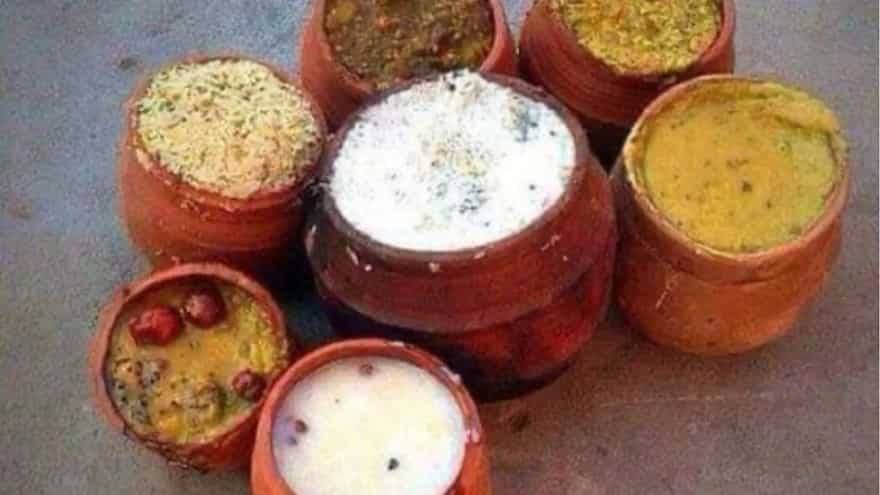
Image credit: Mahaprasada
The Sacred Origin At Koili Baikuntha
It is absolutely crucial to understand that Nirmalya cannot be prepared in a household kitchen. There is no recipe for devotees to follow at home because the miraculous transformation of this rice requires the sacred environment of the Puri temple. Its sanctity comes entirely from being the official Mahaprasad cooked in the legendary Rosaghara the largest traditional kitchen in the world and then offered directly to Lord Jagannath.
In a magnificent temple that feeds tens of thousands of people daily there are occasionally days when a portion of the cooked Mahaprasad rice remains unutilised. The temple administration ensures that not a single grain of this holy food goes to waste. This unutilised cooked rice is carefully transported to a designated open space known as Nirmalya Khala. This sacred ground is located within the temple garden area called Koili Baikuntha.
Here the cooked rice is spread out evenly under the intense coastal sun. It is left to bake in the natural heat until every single drop of moisture evaporates. This sun drying process is completely organic and follows centuries old traditions managed exclusively by dedicated temple servitors. Once the rice becomes completely dry hard and crisp it officially transforms into Nirmalya. Because it is completely dehydrated under the divine sky of Puri it gains an eternal shelf life. The dried rice grains are then gathered and tightly packed into small red or dark pink cotton pouches. These vibrant little bags are then made available to devotees seeking spiritual elevation.
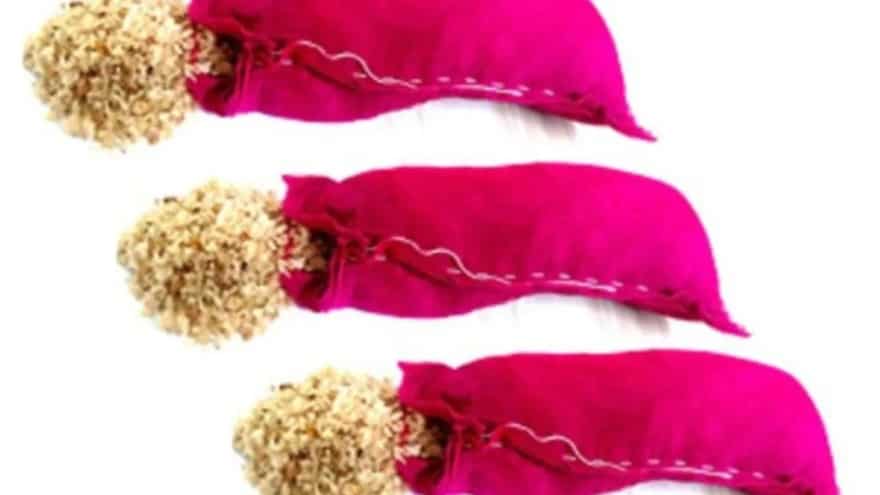
Image credit: Shreekhetra
The Deep Spiritual Significance
The spiritual weight of Kaibalya is unparalleled in Hindu traditions. Unlike other forms of Prasad that are consumed quickly as a sweet treat Nirmalya is treated with the utmost reverence and is deeply woven into the daily lives of Odia people and Jagannath devotees everywhere. To hold a pouch of this sacred rice is to hold a direct physical connection to the supreme divine. It transcends the boundaries of ordinary food and enters the realm of pure spiritual medicine.
This holy dry rice is known by several beautiful names depending on its spiritual application. It is called Lila Kaibalya when associated with the divine play of the Lord. It is known as Sannidhya Kaibalya because it brings the devotee into the close proximity of the divine. When it is used to chant the names of the Lord it takes the form of Nama Kaibalya. Finally it becomes Mukti Kaibalya when it helps a soul achieve liberation from the endless cycle of birth and death.
Many devotees maintain a strict daily ritual where they consume a single grain of Nirmalya every morning after their bath right before beginning their daily prayers. They believe that this simple act brings them into the direct presence of Lord Jagannath offering protection and positive energy throughout the day. It is also considered a supreme honour to offer a few grains of this sacred rice to guests who visit your home.
Its significance extends from the beginning of life to the very end. During traditional Odia weddings the bride and groom often hold a pouch of Nirmalya in their hands while taking their vows symbolising a union blessed by the Lord. At the other end of the spectrum it is firmly believed that placing a grain of Nirmalya and a few drops of Tulsi water in the mouth of a dying person absolves them of all earthly sins. This final ritual is said to guarantee the departing soul a direct passage to Baikuntha the heavenly abode of the Supreme Lord granting them ultimate salvation.
Furthermore it is a great source of comfort for devotees who cannot visit Puri frequently or those who follow dietary habits that prevent them from offering fresh daily Bhog to the Lord. Keeping this dry Mahaprasad in the house ensures that the divine presence of Jagannath is always radiating within the household protecting the family from negative energies.
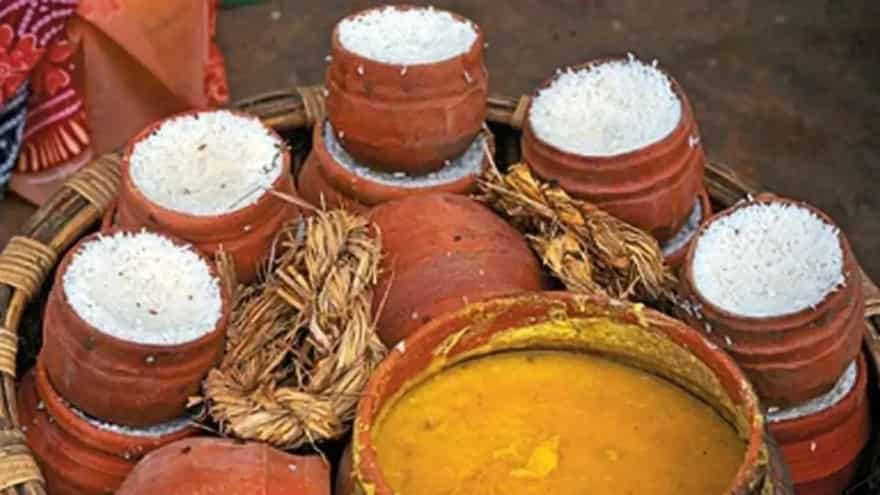
Image credit: Anandabazar
Preservation And Rules For Your Home
Bringing a pouch of Nirmalya home from Puri is considered an act of great fortune but it comes with a few simple guidelines to maintain its supreme sanctity.
Because it is already sun dried preservation is incredibly easy. The primary rule is to keep the red pouch in a clean and elevated place preferably inside your home temple or Puja room. Many devout families choose to keep the pouch inside a small silver or brass container to offer it the highest level of respect. It should never be kept in dirty areas or touched with unwashed hands. Whenever you light incense sticks or a Diya during your daily worship it is highly recommended to show the light and fragrant smoke to the Nirmalya pouch as a mark of devotion.
Over time if you notice that the rice grains inside the pouch have caught moisture or begun to spoil due to extreme humidity you must not throw them in the regular dustbin. The respectful way to dispose of spoiled Nirmalya is to immerse it in a flowing river or a clean body of water. If you do not have access to a river you can gently bury the grains deep in the soil of a Tulsi plant at your home. This ensures the sacred cycle is completed with absolute dignity.
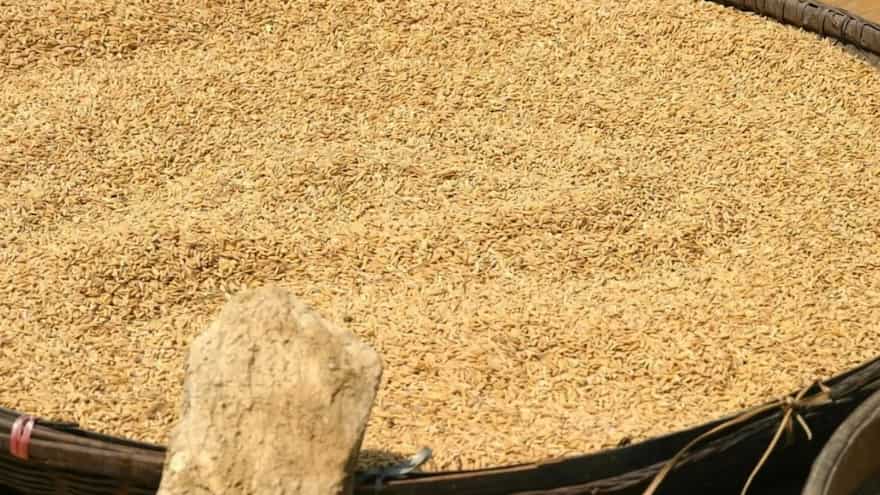
Image credit: Pixabay
The Grandeur Of Ananda Bazaar
The Ananda Bazaar itself is a marvel to behold. Often described as the largest open air food court in the world this bustling marketplace inside the temple complex is where true equality thrives. Here people from all walks of life sit together on the ground sharing Sankudi Mahaprasad from earthen pots without any discrimination of caste or social status.
In this vibrant and chaotic setting you will find temple servitors sitting with large wooden baskets full of the bright red Nirmalya pouches. Securing a few pouches from these servitors is considered the perfect conclusion to a Puri pilgrimage.
As you participate in the July 16 2026 festival make sure to visit the Ananda Bazaar. Bringing back these small red pouches is not just about bringing back dry rice it is about bringing home a lifetime of peace prosperity and the eternal blessings of Lord Jagannath.




