


 Share
Share

No Indian kitchen is complete without some form of dal simmering on the stove. What might appear as a straightforward lentil preparation changes dramatically from one part of the country to another, depending on the region’s agricultural produce, local spices, seasonal needs, and traditional cooking methods passed down through generations. Some dals are cooked thick, almost like a curry, while others are made light and brothy to be paired with rice. In the south, tamarind and curry leaves often dominate the flavour profile, while in the north, garlic, ginger, and ghee take centre stage. Even the choice of lentils, be it moong, masoor, urad, or toor, reflects the geography of the place and its culinary roots. What follows are five regional dals that showcase just how diverse this seemingly humble dish can be, with ideas for how you can recreate them at home.
1. Langarwali Dal From Punjab
Made in massive cauldrons at Gurudwaras and served as part of the langar meal, this dal is a slow-cooked combination of split urad dal (black lentils) and chana dal (Bengal gram). What makes it unique is not just the flavour but the patience it demands; it is simmered for hours until the dal breaks down completely into a thick, creamy mixture without the help of cream or milk. The tadka is simple but robust: cumin seeds, ginger, garlic, onions, and tomatoes cooked down in ghee until deeply aromatic. This dal is traditionally served with soft phulkas or lightly spiced jeera rice, and though it’s made in large quantities at community kitchens, it translates beautifully to the home kitchen when given time and care.
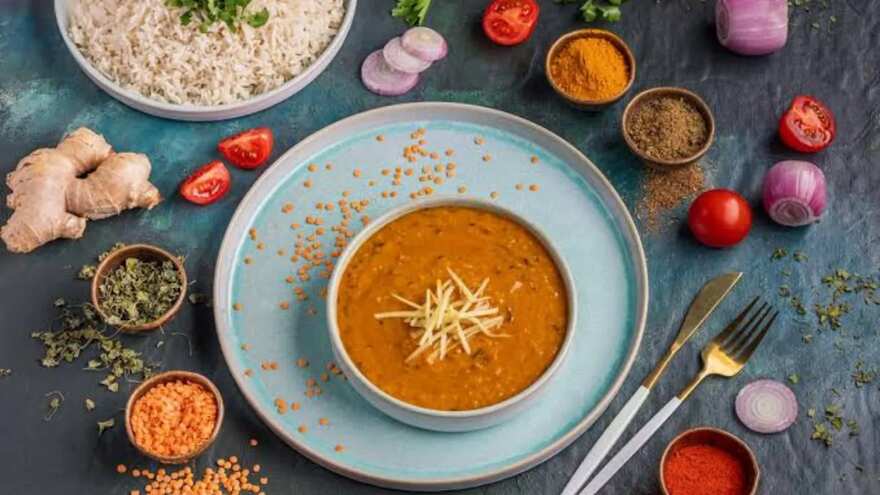
2. Sambar From Tamil Nadu
Though sambar exists in many forms across South India, Tamil Nadu’s version leans towards a thinner, more tangy base made with toor dal and generous amounts of tamarind pulp. A mix of vegetables such as drumstick (moringa), pumpkin, carrots, or brinjal is added, depending on the season. The key to its depth is the freshly ground sambar masala, which typically includes coriander seeds, dry red chillies, methi, and coconut. The final tempering of mustard seeds, hing, curry leaves, and whole red chillies in coconut oil adds fragrance and a layer of smokiness. While most commonly paired with idli or dosa in the morning, sambar with hot rice and a drizzle of ghee makes a complete and comforting lunch in Tamil households.
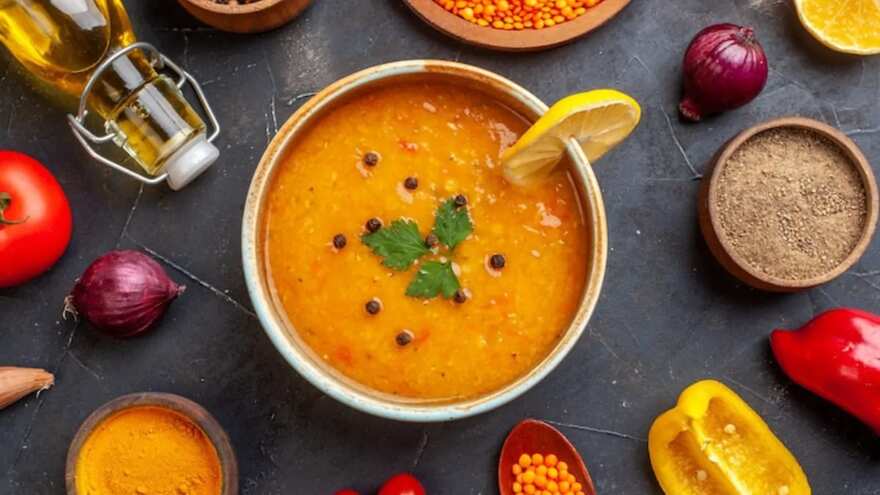
3. Gujarati Dal
Unlike the North Indian style, Gujarati dal has a unique balance of sweet, sour, and spicy elements that reflects the broader Gujarati palate. It is typically made using toor dal, and what distinguishes it is the use of jaggery, kokum or tamarind, and sometimes even peanuts or curry leaves. The tadka features mustard seeds, fenugreek seeds, dry red chillies, ginger, and green chillies. Raisins or small pieces of raw mango are sometimes added during the summer months. This dal is not thick, it’s slightly runny, almost like a broth, and always has that unmistakable sweet-sour touch that makes it different from any other dal in the country. It’s eaten with steamed rice and ghee, usually as part of a full thali.
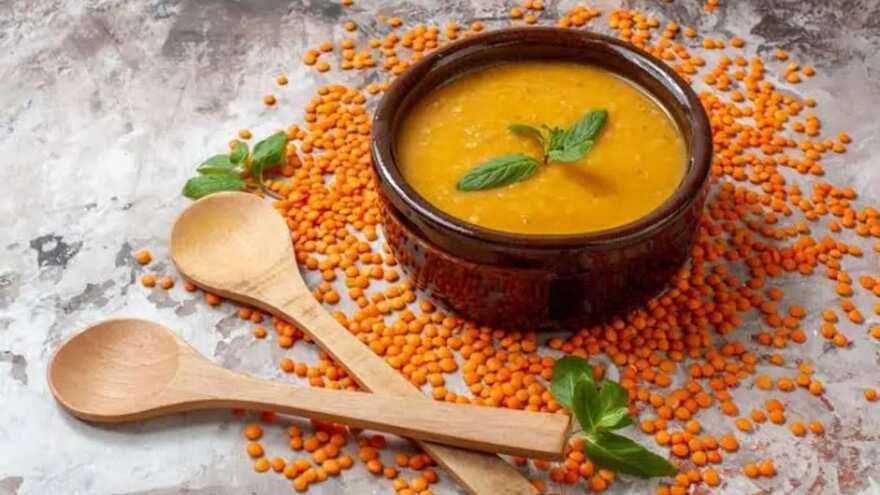
4. Bhopali Chana Dal From Madhya Pradesh
In Madhya Pradesh, especially in Bhopal, chana dal takes centre stage in a way that feels deeply rooted in Mughal and Central Indian flavours. The lentils are cooked until just soft but not broken, keeping their texture intact. What makes this version distinct is the strong presence of black cardamom, cloves, bay leaves, and cinnamon in the tempering, often paired with onion, garlic, and tomato. The spice blend leans slightly towards the kebab-style masala used in the region’s meat dishes, which makes this dal rich and aromatic, even though it’s completely vegetarian. It pairs beautifully with plain rotis or with saffron-tinged pulao for a slightly festive meal.
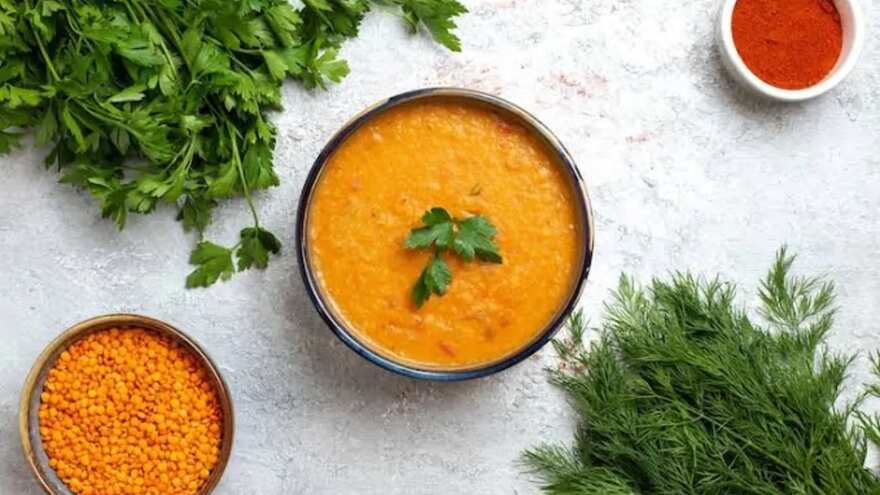
5. Cholar Dal From West Bengal
Cholar Dal in Bengal is not an everyday dal, it’s made on special occasions, often paired with luchis or mildly spiced khichuri. Made using chana dal, the Bengali version is fragrant with whole spices like bay leaf, cardamom, and cinnamon. Grated coconut, fried until golden, is added at the end, giving the dal both texture and sweetness. Many home cooks also add raisins, giving it a hint of festive richness. The use of mustard oil or ghee for tempering enhances the nutty aroma. This dal is never served watery; it is thick, almost stew-like, and usually served as part of a celebratory meal alongside deep-fried breads or vegetable dishes.
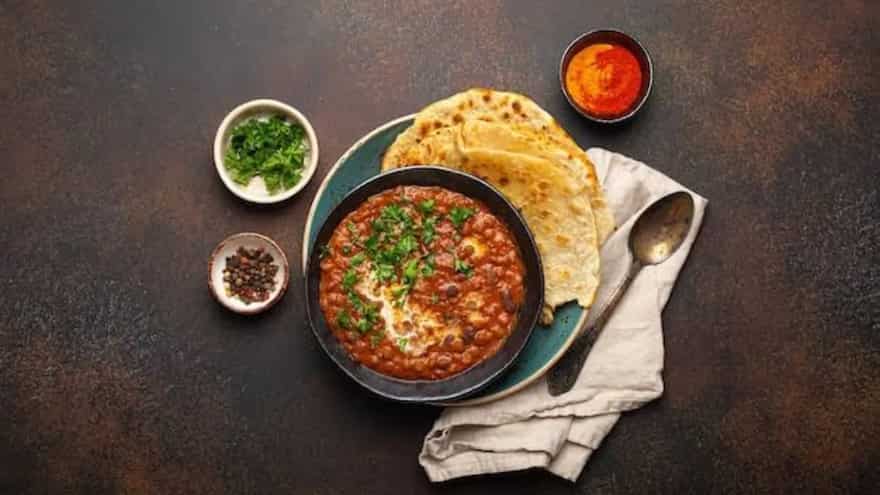
Dal might seem like one dish, but every part of India has its interpretation of how lentils should be cooked, spiced, and served. Each recipe reflects the region’s climate, crops, and culinary traditions, and even within the same state, variations are plentiful. Whether you prefer something thick and rich like langar dal or sweet-sour and brothy like Gujarati dal, trying these regional variations is one of the simplest ways to travel across India from your kitchen.




