


 Share


Pushkar Fair 2026 runs from 17 to 24 November and peaks on Kartik Purnima, 24 November, when pilgrims enter the lake at dawn for the ritual dip. The legend explains the calendar. Brahma let a lotus fall from his hand, water rose from the desert sand, and he performed a great yajna beside it between Kartik Ekadashi and the full moon. The mela still keeps that schedule. The lake is ringed by 52 ghats, and its story is old enough to appear in coins and inscriptions from the last centuries BC. The Brahma temple on its edge is one of very few in the country devoted to the creator. A cattle fair grew up alongside the pilgrimage, and Jahangir's memoirs are said to call it the largest in India. Today it is a livestock market, a prayer and a street party at once, drawing around two lakh visitors. Trade comes first, with herders walking in from across Rajasthan, and the competitions and cultural evenings follow. The camels are fewer than they were. Rajasthan counted 4.20 lakh of them in 2007 and 2.13 lakh by 2019, and arrivals at the fair have dropped from roughly 10,000 to about 3,000 in little over a decade. Food follows people, and Pushkar has always fed three kinds: pilgrims, herders and wanderers.
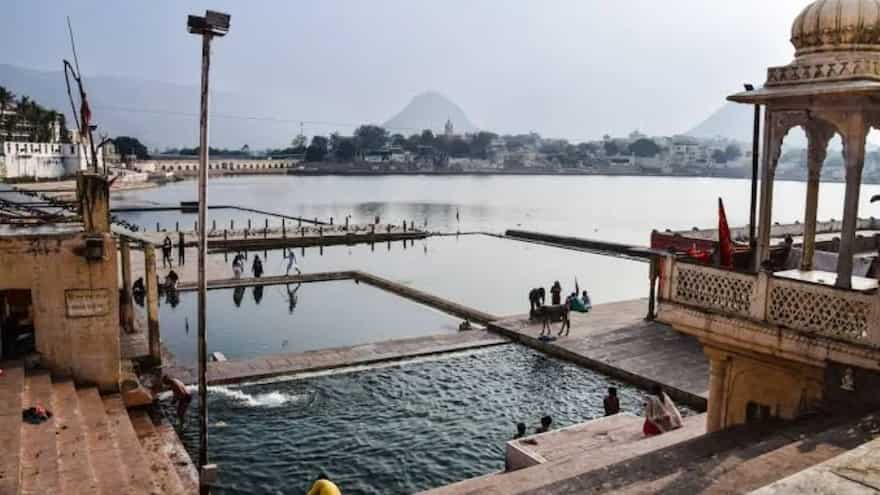 Image credit: Pexels
What To Eat At Pushkar Mela: Regional Classics Worth Queuing For
Pushkar is a vegetarian town. Meat, eggs and alcohol stay out, and many kitchens cook Vaishno style, which means no onion or garlic. The thali at Sanskar, a small Vaishno eatery near the gurudwara, brings aloo gobhi, kaali dal, curd, hot rotis and rice, and one food writer called it the best meal of her trip. Begin the day with malpua, the town's signature. The Pushkar version is made from a batter of rabri and mawa, fried until the edges crisp and slipped into cardamom syrup. Halwais along Main Market keep their cauldrons going through the day, so you can watch each batch come out.
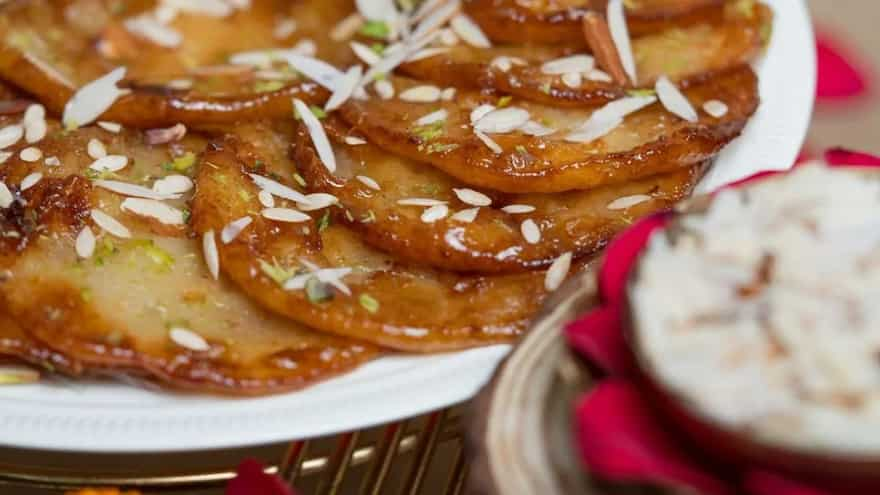
Image credit: Pexels
Savoury mornings belong to kachori. Khasta kachori stuffed with moong dal is crushed open and served with sweet and tangy chutneys, while kadhi kachori and methi pakoda in kadhi are a speciality of Mohanji Bhujiawale on Brahma Temple Road. Poha with jalebi does the same job more gently. Lunch means dal baati churma. Baked wheat baati meet ghee, panchmel dal goes over them and jaggery sweetened churma closes the plate. Fairground stalls add mirchi vada, a green chilli stuffed with spiced potato and fried in batter. After dark, look for the paratha cart on Main Market Road, where parathas filled with beetroot, carrot, capsicum and potato arrive under grated cheese with three chutneys.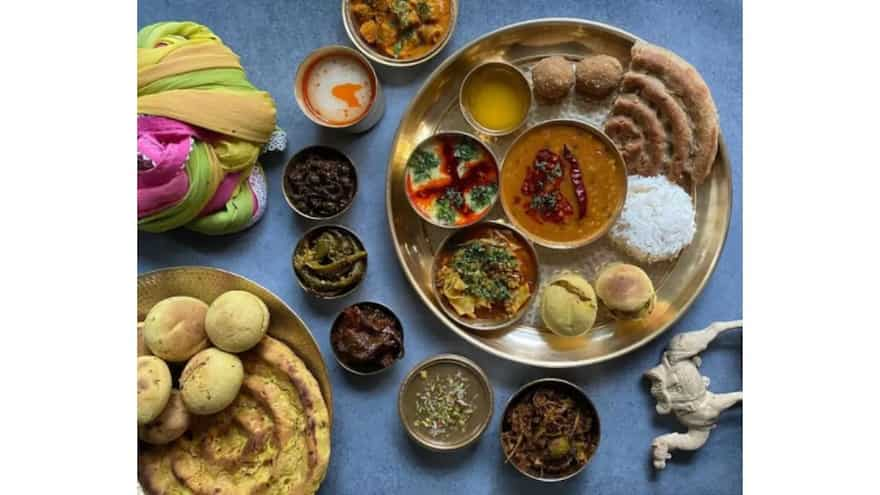
Image credit: Wikimedia Commons
Camel Milk Chai, Lassi And Pushkar Roses: Fair Specialities
The fairground has its own menu, and herders write it. Raika and Rabari families boil chai made with camel milk over fires of dung and sticks. Visitors describe it as faintly salty, with a note of the desert in it, and herders often pair the cup with rotla, a flattened bread. India's culture portal says camel cheese and other camel milk treats can be sampled at the festival. One herder family told a visiting writer that they use more buffalo milk now, because there are fewer camels. In town, kulhad lassi and makhaniya lassi are the cooling answer to a dusty afternoon. Pushkar is also known as the rose garden of Rajasthan, and its rose essence is exported worldwide, so carry home gulkand and rose water from the market. Licensed bhang shops operate across Rajasthan, Pushkar included. Bhang thandai is strong, so small quantities and an empty schedule are the sensible rule.
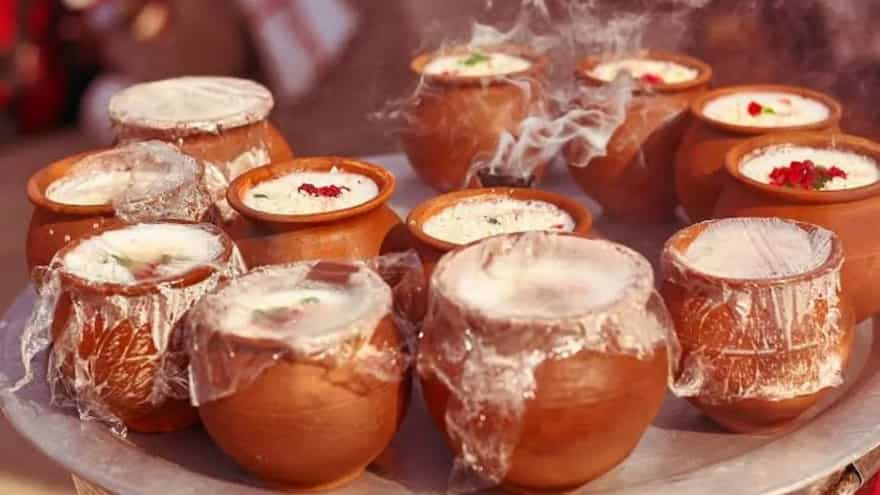
Image credit: Pexels
Backpacker Culture in Pushkar and How It Rewrote the Menu
Pushkar was a stop on the hippie trail of the 1960s, and the habit stuck. Israeli travellers began arriving in the 1970s and came in far greater numbers after Sinai returned to Egypt, turning the route into what is now called the Hummus Trail. Free Press Journal reported in 2019 that more than a thousand Israelis could be found in town at any given time. Then came the constraint. A town without meat or eggs pushed cooks towards what vegetarian kitchens do best. Falafel, hummus, labane and za'atar went onto menus beside pasta and curries, and one writer summed up the holy grail as three Is: Israeli, Italian and Indian. Many of the cooks were trained abroad or taught by the visitors themselves.
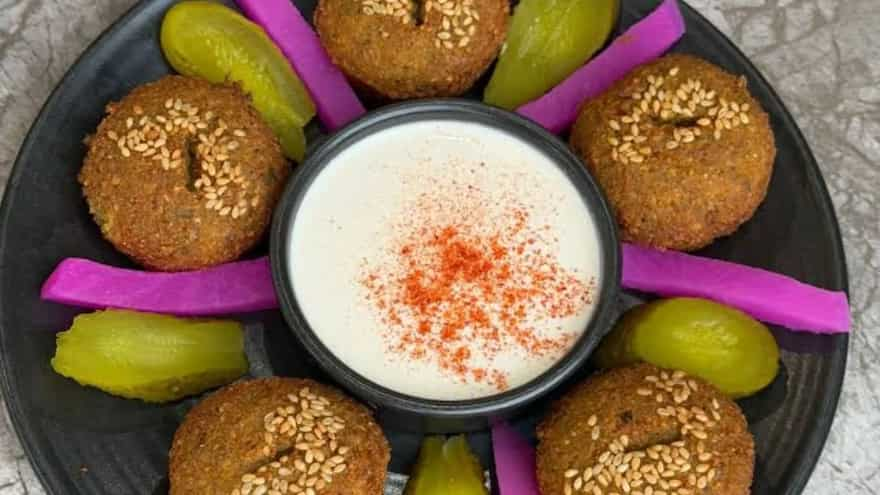
Image credit: Pexels
Local invention did the rest. At Laffa and Falafel on Main Market Road, wraps come filled with fried aubergine, avocado and paneer, or with olives, potato chips and garlic mayonnaise, and the chai is complimentary. The menu is in Hebrew. Other kitchens turned out vegan beetroot burgers, cheese pakoras, gnocchi and ravioli. Indian guides now list falafel beside kachori and lassi among Pushkar street food, so the dishes have outgrown their first audience. That audience has thinned on parts of the trail. Restaurateurs in Dharamkot reported Israelis at about 5 per cent of guests in 2024, against the usual 60. Pushkar's own numbers are harder to pin down, but hostel chains such as Zostel have set up shop there, and the tables fill with travellers of every passport.
Pushkar Cafe Culture: Rooftops, Falafel Corners And Lake Views
Cafes gather along Main Market Road and around the lake. Out of the Blue in Badi Basti has a hippie interior, lake views and a good latte. Sunset Cafe on Parikrama Marg earns its name over pizza and pasta. For something lighter, Honey and Spice and the vegan Laughing Buddha have their loyal followers. Mornings suit the ghats and the fairground, while evenings belong to the rooftops, where pancakes and pizza arrive once the sun drops.
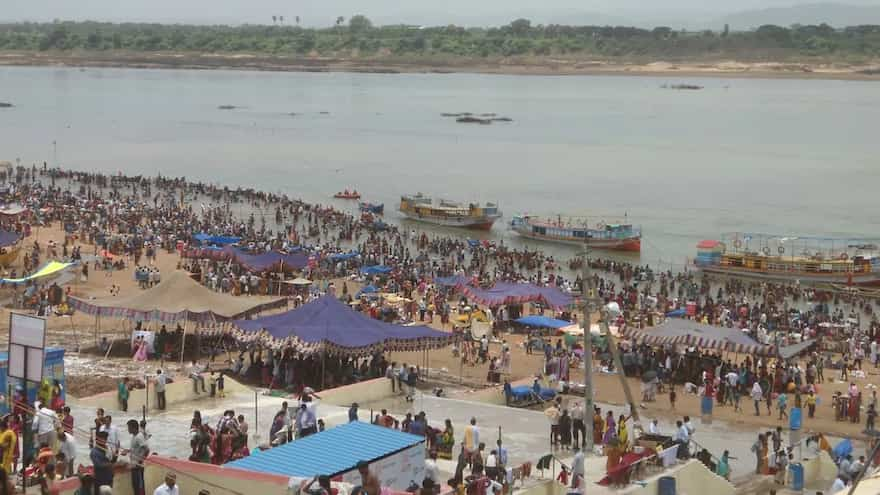 Image credit: Wikimedia Commons
Cafes change hands quickly here, so treat these names as starting points. Rooms fill fast at fair time, and guides advise booking a few weeks ahead. Carry cash for small stalls, because entry to the fair is free but many vendors prefer notes. Eat the malpua hot, drink the camel milk chai at dawn, and save a rooftop for the evening.




