


 Share
Share

Once the festive rush of Diwali subsides, the atmosphere in Indian homes changes. The long nights, cooler mornings, and mild chill in the air set the stage for a new kind of cooking. Households across the country instinctively reach for ingredients that have always belonged to winter; til, gur, peanuts, and grains like bajra, along with greens such as methi and bathua. These ingredients are tied to regional customs and climates that have shaped India’s seasonal food map for centuries. As kitchens begin to restock shelves and grind fresh flours, the familiar smell of roasting seeds and slow-cooked dals signals the start of the winter food season.
Til: A Seed That Adapts To Every Region
Til, or sesame, carries an identity that shifts slightly with every region of India. In Maharashtra and Gujarat, til ladoos made with gur begin to appear soon after Diwali, stored carefully in tins for the weeks ahead. The same combination transforms into til chikki, a brittle that sustains energy through long working days. In Tamil Nadu and Andhra Pradesh, sesame finds its way into podis and chutneys, mixed with spices and served alongside idlis and rice. North Indian homes add roasted til to curries and vegetable dishes, enhancing their depth and warmth. In Rajasthan, where winter can be harsh, til is combined with ghee and wheat flour to make traditional sweets such as til patti and til poli. The seed’s ability to generate heat from within makes it an integral part of winter eating across climates, from coastal kitchens to the dry northern plains.
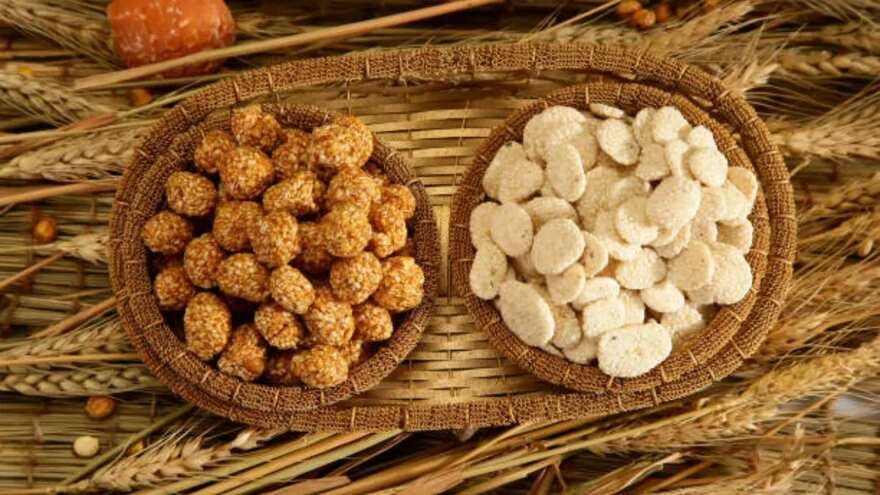
Photo Credit: Unsplash
Gur: Sweetness That Marks The Changing Seasons
Jaggery, or gur, is one of the first ingredients to mark the shift to winter. As the sugarcane harvest begins, fresh batches of gur are made in villages and quickly find their way into local markets. In the north, people begin preparing gajak and rewari; dense, brittle sweets made with sesame or peanuts bound in jaggery syrup. In Bengal, date palm jaggery, known as nolen gur, becomes the heart of the season, transforming everyday desserts like sandesh and payesh into limited-edition delicacies available only during winter. In Maharashtra and Karnataka, gur is added to everyday preparations such as poli, rasam, and even savoury lentil dishes to balance flavour and aid digestion. Rural households in Uttar Pradesh and Bihar begin mixing small chunks of gur into warm milk or parathas during breakfast. Jaggery represents comfort and energy, bringing with it the unmistakable taste of the cold season and the knowledge that the kitchen is shifting to a slower, more nourishing pace.
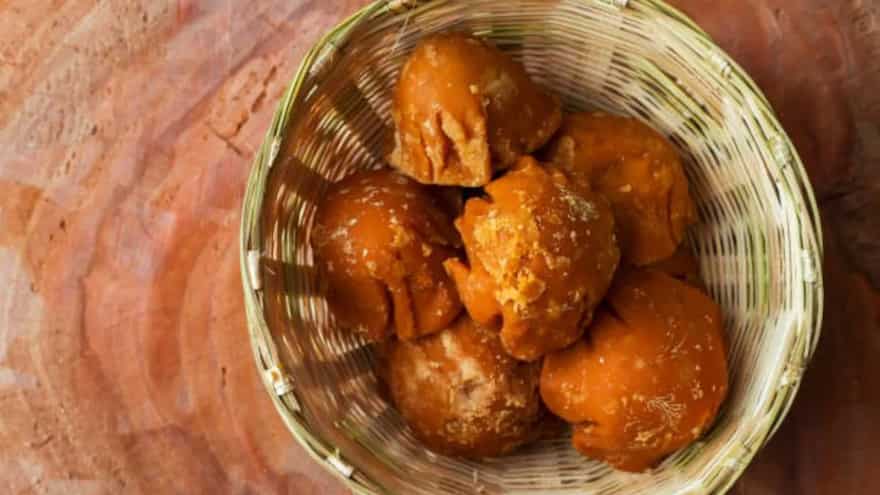
Photo Credit: Unsplash
Peanuts: Adding Heft To Everyday Meals
Peanuts, known as moongphali or singdana in different regions, take on a variety of roles across Indian states once winter begins. In Gujarat, they are roasted, ground, and used to thicken gravies or create quick chutneys that accompany snacks and theplas. In Maharashtra, they are added to poha, sabzis, and salads for texture and nutrition. In North India, where evenings turn cold, peanuts roasted with salt or spices become an everyday snack shared during family gatherings or sold on street corners wrapped in paper cones. In Tamil Nadu, groundnuts are boiled and eaten warm, especially in the early weeks of winter when fresh produce arrives. Peanuts are also combined with jaggery to make chikki, a seasonal sweet found in almost every region in its own variation. Their balance of protein and oil makes them perfect for sustaining energy through colder days, blending seamlessly into both simple home meals and festive preparations.
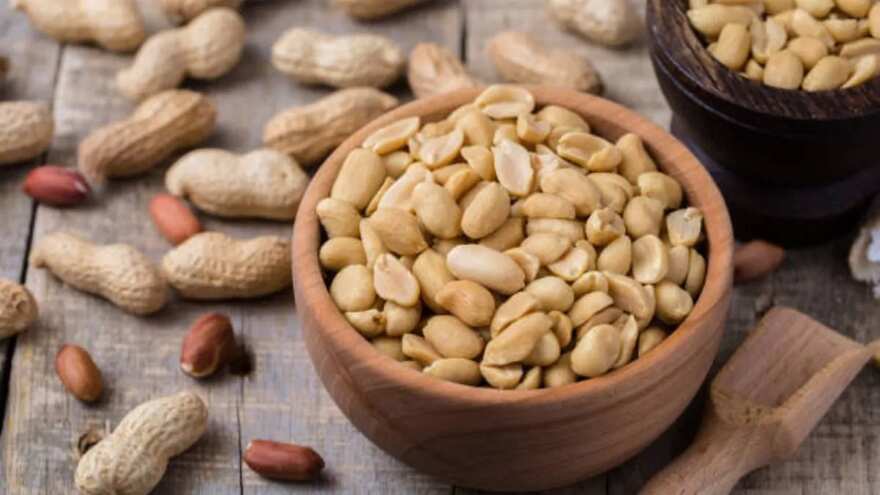
Photo Credit: Unsplash
Methi And Bajra: Regional Staples Of The Winter Spread
As the temperature drops, methi (fenugreek) and bajra (pearl millet) make their appearance across regional cuisines, signalling a complete seasonal shift. In Gujarat and Maharashtra, methi theplas and methi laddoos become everyday staples, balancing the body’s heat while aiding digestion. In the north, aloo-methi and methi parathas begin to replace lighter summer dishes, filling homes with a familiar earthy aroma. In Rajasthan and parts of Haryana, bajra rotis served with fresh white butter or jaggery take the place of wheat. These thick, hearty flatbreads provide long-lasting energy, ideal for the region’s cold mornings. In Punjab, bajra flour is combined with green garlic and ghee to make winter rotis that are eaten with jaggery or seasonal saag. In rural Madhya Pradesh and Chhattisgarh, families prepare thick bajra khichdi with vegetables, a meal that warms the body and keeps hunger at bay through long evenings. Both methi and bajra symbolise the body’s shift towards heavier, grounding foods that suit the season’s slower rhythm.
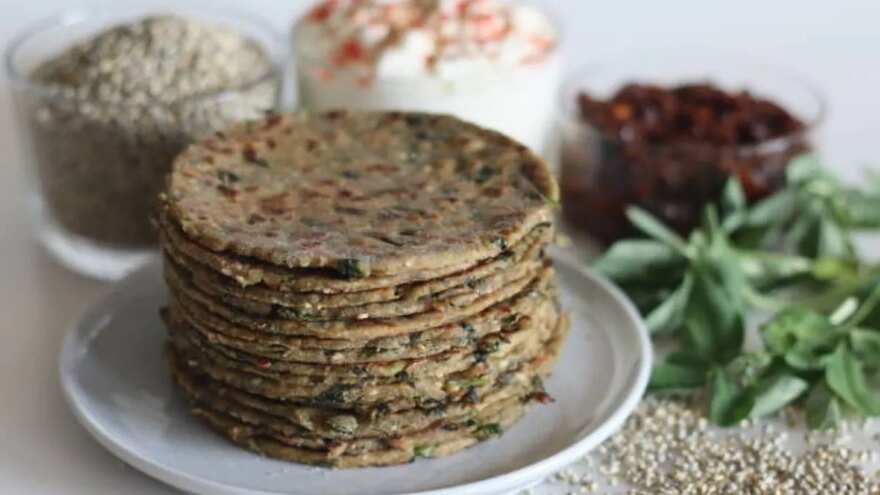
Photo Credit: Unsplash
Winter Greens: The Fougere That Balances Hearty Meals
While til, gur, and grains lend weight to winter food, greens bring balance and freshness. The weeks after Diwali mark the arrival of leafy vegetables that thrive in cooler air; sarson (mustard greens), bathua (chenopodium), palak (spinach), and chaulai (amaranth). These greens, once abundant only in rural markets, now appear across cities as well. In Punjab and Haryana, sarson da saag simmered slowly with makki flour and ghee becomes the defining dish of the season, often eaten with makki ki roti and a spoon of fresh white butter. In Uttar Pradesh and Bihar, bathua is blended into parathas, raitas, or saag, providing a distinctive earthy taste that balances richer foods. In Bengal, spinach and red amaranth are lightly stir-fried with garlic and mustard oil, served alongside rice and dal. Further south, greens like murungai keerai (drumstick leaves) and araikeerai (amaranth) are cooked into dals and sambars, lending warmth without heaviness. The presence of these greens ensures that winter diets stay varied and nourishing. Their slight bitterness and fibre content help cleanse the system after weeks of festive indulgence, reminding the body to return to equilibrium.




