Share


When the crisp morning chill settles over western India between late November and February, an unmistakable aroma of woodsmoke and roasting grain begins to drift through the streets of Gujarat. For a brief window lasting barely six to eight weeks, markets from Surat to Ahmedabad surrender their pavement space to mounds of glistening, pale green pearls. Known locally as ponk or ponkh, this prized delicacy is not a distinct botanical species, nor is it an exotic import. Rather, it is sorghum, or jowar, caught at a precise, transient moment of agricultural adolescence. In its mature state, jowar is a hardy, pale-cream millet ground into flour for everyday flatbreads. Yet before the sun dries the stalks and hardens the kernels, the grain passes through a milky, dough-like phase. Harvested at this exact juncture, the seeds are plump, vibrant green, and bursting with natural sugars and moisture. Botanically, the high sucrose content present during this tender stage has not yet converted into complex starches, giving the raw grain a delicate, grassy sweetness reminiscent of fresh sweetcorn or young green peas. Because this developmental window closes within days on any given stalk, ponk cannot be warehoused or preserved in its authentic fresh form, turning its arrival into an urgent, celebratory countdown for food lovers across the region.
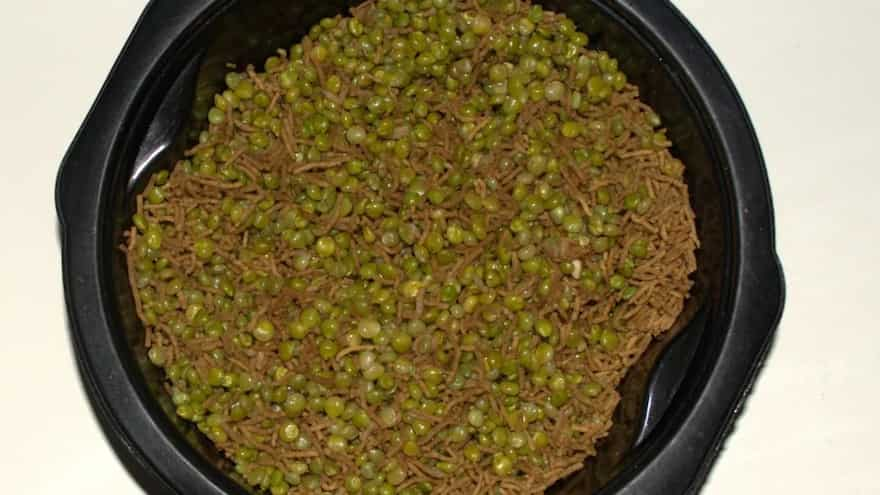 Image credit: Wikimedia Commons
From Field Embers To Market Stalls: The Harvest Ritual
Cultivating sorghum specifically for ponk requires an intimate understanding of soil moisture, winter dew, and timing. While sorghum grows across semi-arid regions of India, the alluvial plains of South Gujarat, particularly the belt stretching around Surat, Bardoli, and Bharuch, possess the ideal black cotton soil and coastal humidity to yield exceptionally sweet, plump grains. Agricultural researchers at institutions such as Navsari Agricultural University have even bred specialised rabi-season varieties, including the famed Wani Local and newer cultivars like Surati Ponk-1, selected specifically for their high sugar concentration, soft seed coat, and ease of separation from the husk.
The harvesting process remains deeply artisanal, resisting industrial mechanisation because rough handling bruises the delicate kernels. Farmers walk the fields at dawn when the winter dew keeps the panicles supple, hand-cutting the heavy, nodding heads of grain. Immediately after cutting, the true craft begins right at the edge of the field. Workers dig shallow pits in the earth, lining them with dried sorghum stalks, cotton stems, and agricultural chaff. Once lit, the fire is allowed to burn down until only glowing, white-hot ashes remain.
Bundles of fresh sorghum heads are buried beneath these warm embers for several minutes. This gentle roasting performs two vital functions: it imparts a subtle, earthy smokiness to the grain while simultaneously drying the outer glumes enough to release the seeds. Once pulled from the ash, the warm panicles are beaten rhythmically with wooden sticks or rubbed briskly between gloved palms over woven tarpaulins. Winnowing baskets are then tossed into the morning breeze, separating the lightweight, charred chaff from the heavy, jewel-like green kernels. Within hours of leaving the soil, the warm, freshly husked ponk is packed into breathable jute sacks and dispatched to urban markets, ensuring maximum freshness before natural fermentation can dull its flavour.
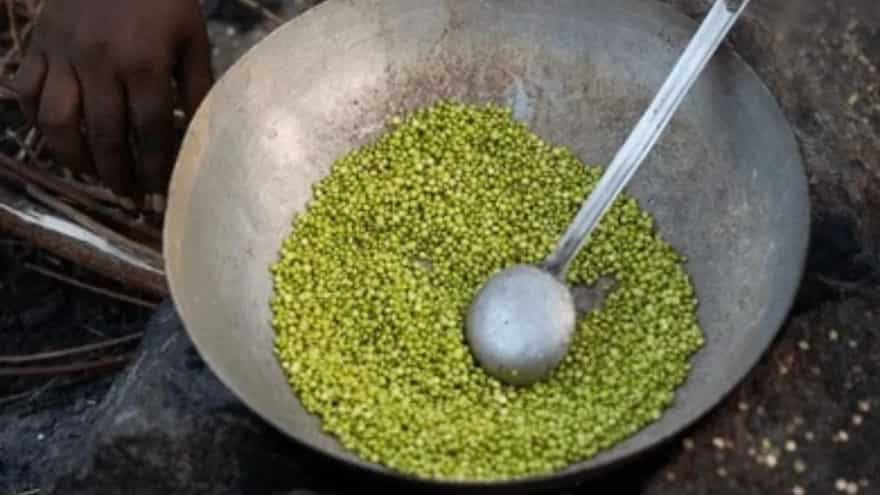 Image credit: Shutterstock
Also read: Ponk: A Dry Millet Enjoyed During Winters
The Art Of Accompaniments: Sev, Chutneys, And Condiments
In Gujarat, eating ponk is rarely a solitary act involving a plain spoonful of grain. Instead, it is orchestrated as an intricate interplay of textures and temperatures, designed to balance the cool, moist sweetness of the sorghum. The undisputed partner to freshly roasted ponk is sev, the crisp, golden chickpea-flour noodles that form the backbone of Gujarati snacking.
During winter, farsan makers craft bespoke varieties of sev tailored exclusively for the season. The most iconic pairing is limbu-mari sev, seasoned generously with tangy dried lime powder and coarsely cracked black pepper. When tossed together in a paper cone or steel bowl, the fiery warmth of the pepper and the sharp citrus notes cut cleanly through the creamy starch of the jowar. Alongside the lemon-pepper variety, stalls display mounds of lasan sev infused with pungent winter garlic, fiery green chilli sev, and delicate, unspiced nylon sev for purists who wish to let the grain shine.
No serving is complete without a vibrant green chutney ground fresh from winter coriander, mint, green chillies, and lila lasan, the tender, scallion-like green garlic that flourishes only in the cold months. A squeeze of fresh lime juice, a scattering of salted roasted peanuts or sugar-coated fennel seeds known as sakariya dana, and a tall glass of chilled, lightly spiced buttermilk round out the classic sensory experience.
Regional Variations And Culinary Transformations
While Surat stands as the undisputed capital of ponk culture, each region of Gujarat interprets this seasonal bounty through its own culinary lens. In South Gujarat, particularly along the bustling stretches of Adajan and Dumas Road in Surat, ponk is celebrated primarily in its unadorned state or transformed into delicate street-side farsan. Here, vendors fry piping-hot ponk vadas, binding the whole green grains with coarse chickpea flour, rice flour, crushed black pepper, ginger, and green garlic into crisp, golden fritters that remain remarkably tender inside. Equally beloved are Surti ponk pattice, crisp potato-cased croquettes stuffed with a spiced mixture of tender sorghum, fresh coconut, coriander, and cashews.
Travelling north toward Vadodara and Ahmedabad, home kitchens incorporate the grain into heartier, comforting winter meals. Ponk khichdi and vegetable pulao frequently appear on dinner tables, where the sorghum kernels are simmered alongside fragrant basmati rice, green tuvar beans, carrots, and whole garam masala, finished with a generous drizzle of warm ghee. In the Saurashtra peninsula, particularly around Bhavnagar and Rajkot where winter evenings turn brisk, families favour smoky, rustic preparations. Here, tender jowar is often folded into spiced bajra rotla dough or tossed into a fiery, garlic-laden chaat laced with crushed gathiya and tamarind chutney. Across the border in Maharashtra, a closely related tradition thrives under the name hurda, though Gujarati preparations distinguish themselves through their nuanced balance of sweet, sour, and spicy flavours alongside specialised sev pairings.
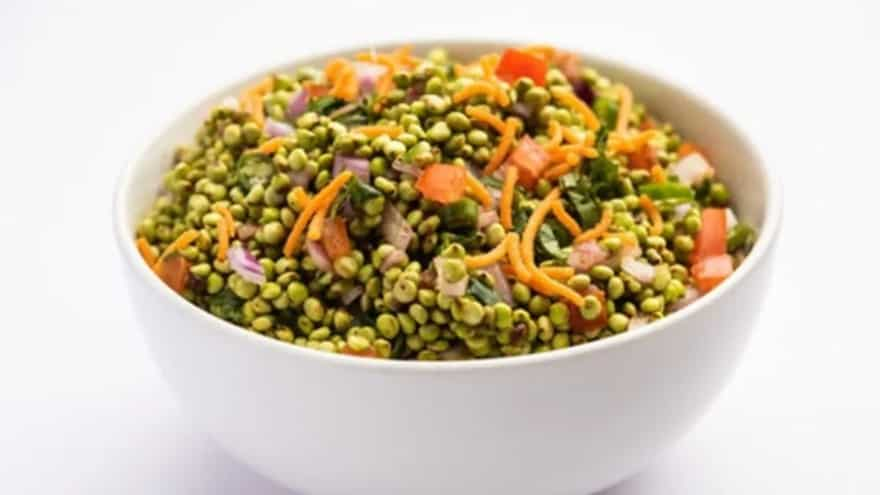 Image credit: Adobe Stock
The Social Fabric Of Ponk Nagari And Farm Picnics
Beyond its nutritional richness as a source of dietary fibre, iron, and plant protein, ponk serves as a powerful social catalyst across Gujarat. As December arrives, temporary tented markets known affectionately as Ponk Nagari spring up overnight along major thoroughfares in Surat, Vadodara, and Ahmedabad. Illuminated by strings of warm bulbs late into the night, these pop-up bazaars buzz with multi-generational families, college students, and office-goers gathered around plastic tables, sharing bowls of warm grain and trading stories over steaming cups of masala chai.
Equally cherished is the tradition of the ponk party, an informal agricultural excursion that bridges urban life and rural heritage. Throughout December and January, families and groups of friends drive out to farms on the outskirts of Surat, Bardoli, and Anand for Sunday morning picnics. Seated on woven charpoys beneath shade trees, guests watch farmers pull freshly roasted stalks straight from smouldering field pits, eating the warm, smoky kernels directly from the husk before transitioning to a communal feast of undhiyu, puri, and jalebi.
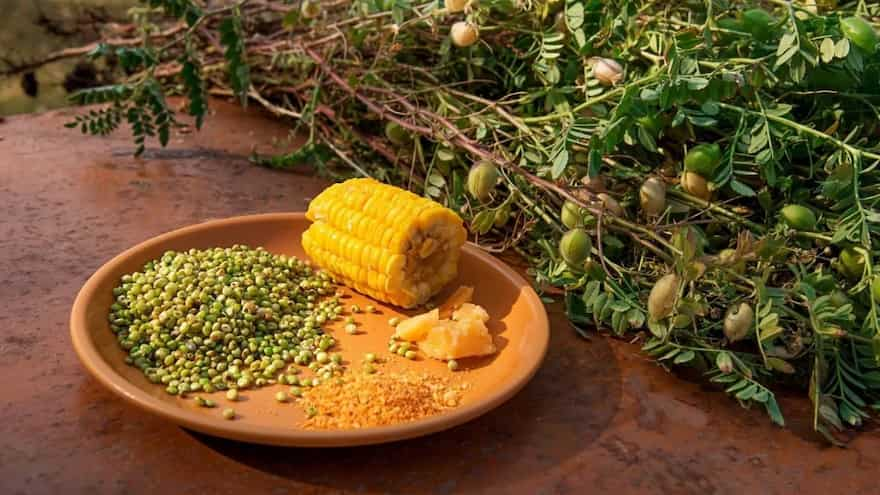 Image credit: Shutterstock
In an era of year-round cold storage and globalised produce, ponk remains gloriously tethered to the natural calendar. Its refusal to be rushed or preserved reminds diners that the finest flavours are often those that demand patience, presence, and a willingness to savour the moment before winter yields to spring.