Share
Share

As the sun rises on Poila Baishakh, 1433 steps into the lives of Bengalis with ‘notun jama’ (new dress), a lunar calendar, ‘haalkhata’ (a ritual of starting new ledgers in business), and ‘MIshtimukh’ (having sweets). For every Bengali, Nabobarsho brings the cherished tradition of Haalkhata, where new ledgers are opened amidst the sweetness of rosogollas and the family reunions. From the intricate Alpona adorning doorsteps to the rustle of new Tant sarees and Panjabis, the day is steeped in rituals that signify hope and renewal.
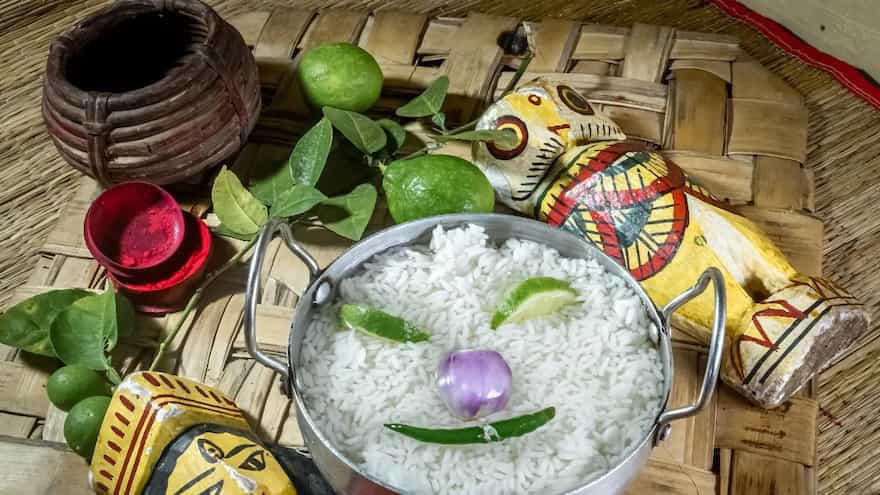
Image Courtesy: Adobe Stock
All that stays in the midst of the celebration is the legendary "Pet Pujo", the worship of the palate. As the day of Poila Baishakh approaches, the kitchens in the Bengali households reecho the sound of grinding spices, and the culinary masters in the City of Joy take charge. From their nostalgic childhood flavours to contemporary dining, this year, Slurrp delves into the lives of three extraordinary chefs who are making a difference through their craft, including Samita Gopal Halder, Shakyasingha Chakraborty, and Lopamudra Kamilya. Together, they bring in the soul of Bengal, sharing the rituals, memories and recipes that make Poila Baishakh a gastronomic experience.
Bengali Chefs Talk About The Celebration Of Poila Baishakh 1433
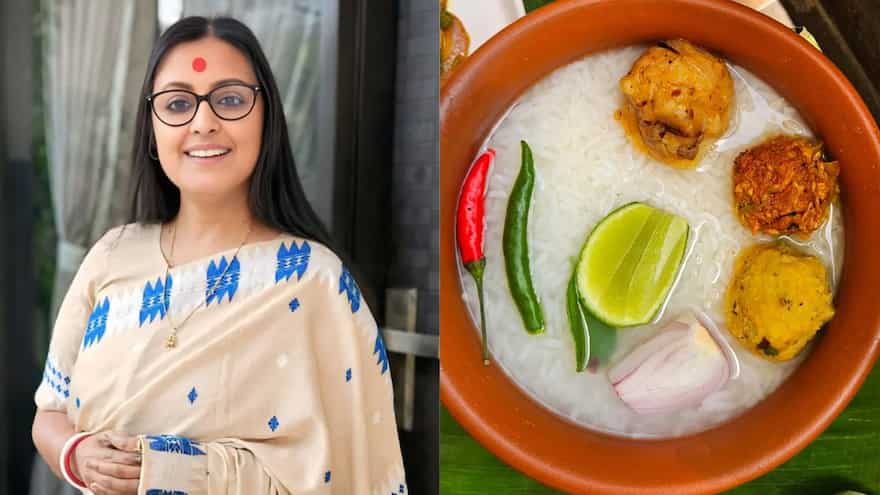
Image Courtesy: Samita Gopal Halder
Samita Gopal Halder: The Custodian of Undivided Heritage
With a culinary journey spanning four decades, Samita Gopal Halder is a bridge to the forgotten flavours of Barishal, Jessore, and Dhaka. Her cooking is refined through years of feeding her family across various Indian cities. She sees Poila Baishakh as a seasonal balance, starting with neem's cleansing bitterness and ending with a lavish feast. Before the kitchen becomes festive, she makes a Satvik offering to Goddess Lakshmi. She finds food preparation peaceful and ritualistic.
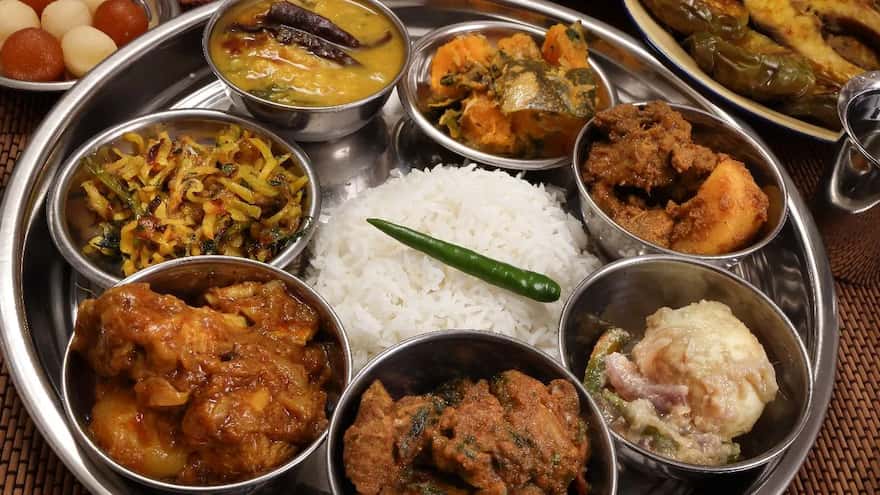
Image Courtesy: Adobe Stock
"My memories of Poila Baishakh are filled with early morning kitchen sounds, the aroma of freshly cooked bhaat, and elders carefully preparing dishes that marked the beginning of a new year. There was always something special about simple food made with intention. A light jhol, a seasonal shaak, or homemade sweets. These moments shaped my understanding of food. No. not as indulgence, but as emotion, memory, and continuity. Even today, my cooking carries those influences—humble, seasonal, and deeply personal."
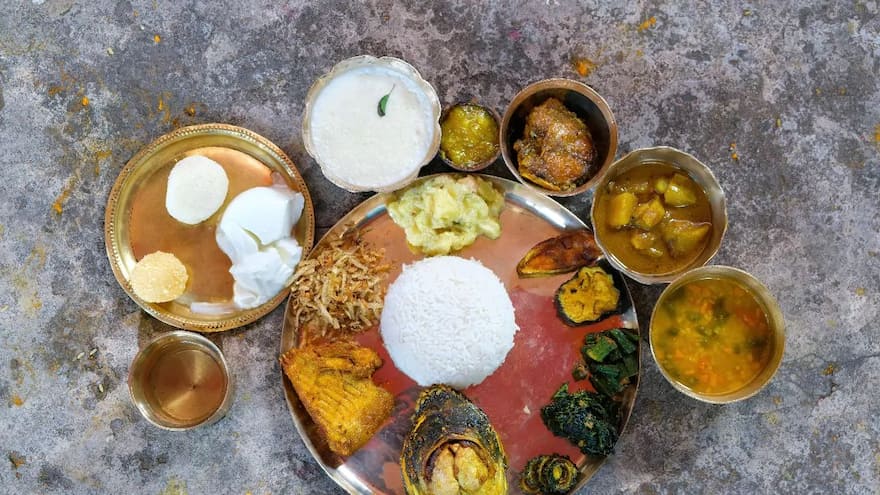
Image Courtesy: Adobe Stock
This Nabobarsho features two signature Bengali dishes that showcase the regional diversity of Bengali cuisine. Her soulful Lebu Patay Murgi Jhol contrasts with commercial dining's oily curries. The fragrant lemon leaves in this light chicken curry give it a bright, citrusy freshness that cools the protein in the humid Bengali summer.
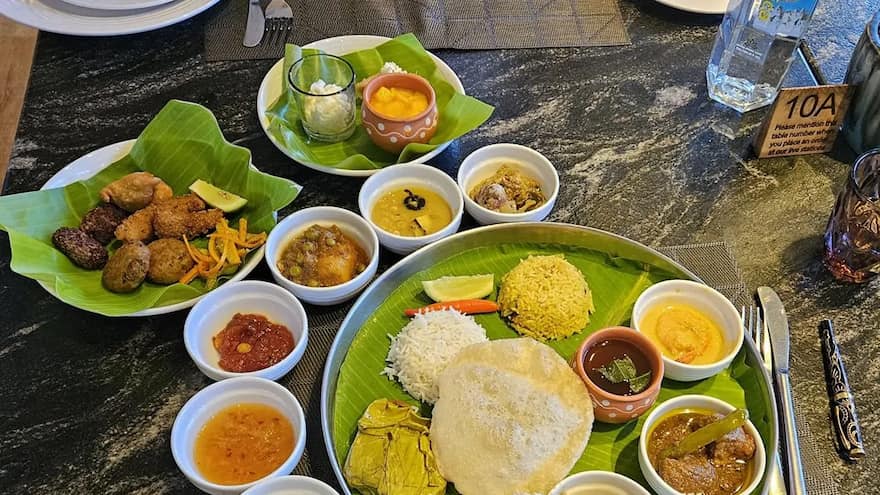
Image Courtesy: Samita Gopal Halder
She also prepares a Barishal-style Mourola Mach er Morichkhola that is captivating. The bounty of Bengal's rivers is celebrated in this dish of small, delicate fish cooked with green chillies and high-quality mustard oil. It avoids strong masalas, revealing the fresh catch's sweetness through a spicy veil. By incorporating ingredients like neem ful and kushi aam into her broader seasonal table, Chef Samita ensures that her recipes connect tradition with the modern age.
Shakyasingha Chakraborty: Reviving Traditions with a Modern Edge
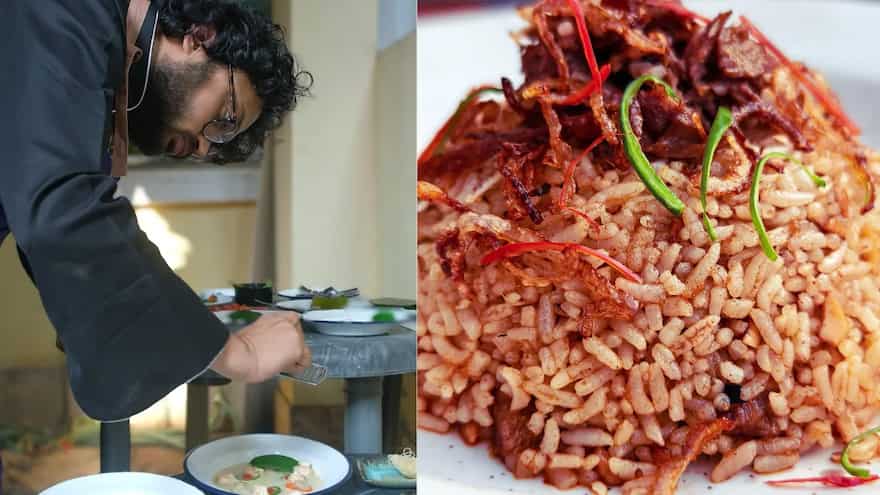
Image Courtesy: Shakyasingha Chakraborty
Shakyasingha Chakraborty brings a unique point of view to Nabobarsho with his interesting mix of tech-professionalism and a love of cooking. While he is learning German and working as an IT specialist, his heart is still firmly planted in reinterpreting Bengali food. According to Shakya, the festival is a celebration of Bengal's food, from the simple Panta Ilish to the fancy Kochi Pathar Jhol. He finds inspiration in the seasonal harvest and the traditional offerings of Mishti Doi and Rosogollar Payesh made during the Lokhi-Ganesh Pujo.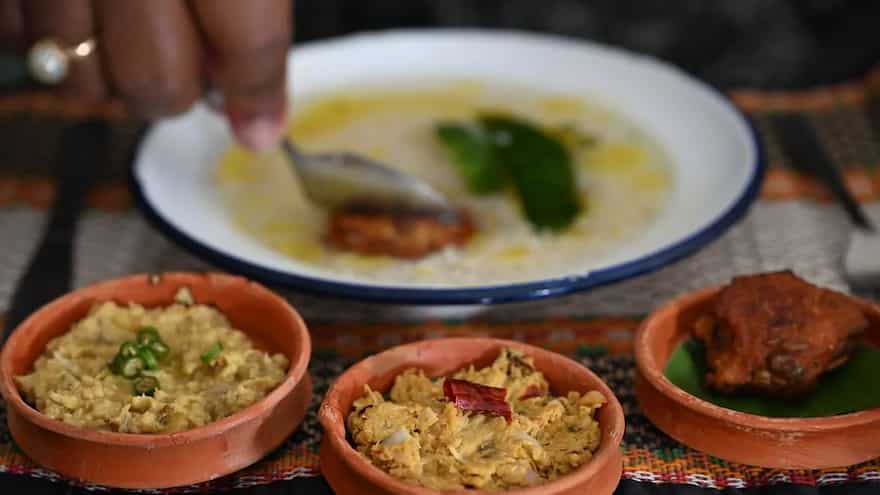
Image Courtesy: Shakyasingha Chakraborty
Chef Shakyasingha mentions, "Bengal is all about its parbon or festivals, Poila Boishakh is definitely one of the most famous ones amongst them, which celebrates not only Bengali culture, tradition, but also its gastronomy."
"My childhood memory is all about halkhata in the local jewellery shops, where I went with either my grandmother or grandfather, collecting the boxes of sweets and having rasna. After returning home, lunch was my grandmother's awesome pulau and my mother's rosogollar payesh. I will definitely be celebrating it in my restaurant, Spiegel, with the special Poila Boishak curated menu featuring different rice varieties of Bengal and cooking for all, which I enjoy the most," he further adds.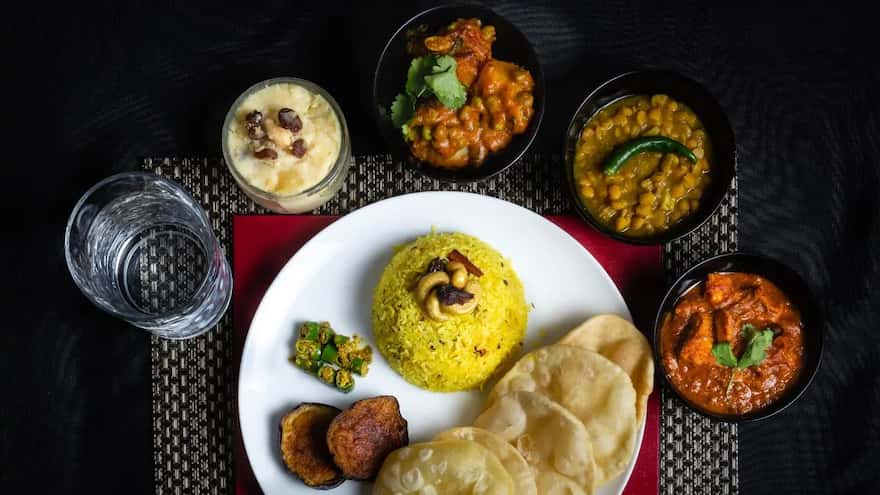
Image Courtesy: Adobe Stock
Shakya’s signature contribution to the Poila Baishakh 1433 table is his Gandhoraj Panta, served with a variety of traditional condiments for a refreshing lunch. For dinner, he recommends a robust Mutton Polau, a dish that varies by family tradition but always remains a crowd favourite. His work at his restaurant Spiegel also shows how traditional ingredients like indigenous rice varieties can be heightened to suit the modern palate without losing their essence and cultural value.
Lopamudra Kamilya: The Architect Of Aristocratic Flavours
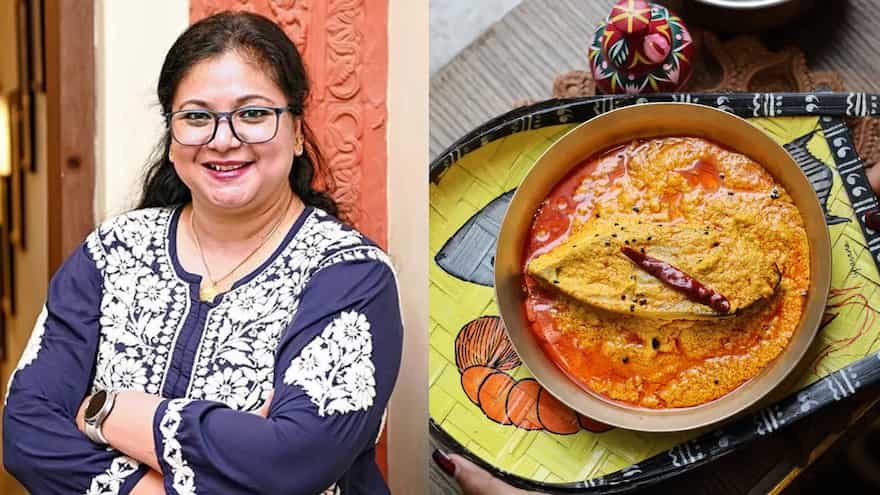
Image Courtesy: Lopamudra Kamilya
As the Director of Ilish Truly Bong on Park Street, Lopamudra Kamilya has created a sanctuary for those seeking the "Zamindari" heritage of Old Calcutta. Her role is multifaceted, blending team leadership with a creative drive to ensure every dish tells a story. For her, Poila Baishakh is a sensory explosion. She emphasises the communal experience of the "Bhaat-Ghoom" (afternoon nap) and the ritual of visiting temples before indulging in a feast served on Kansha (bell metal) thalis.
Image Courtesy: Lopamudra Kamilya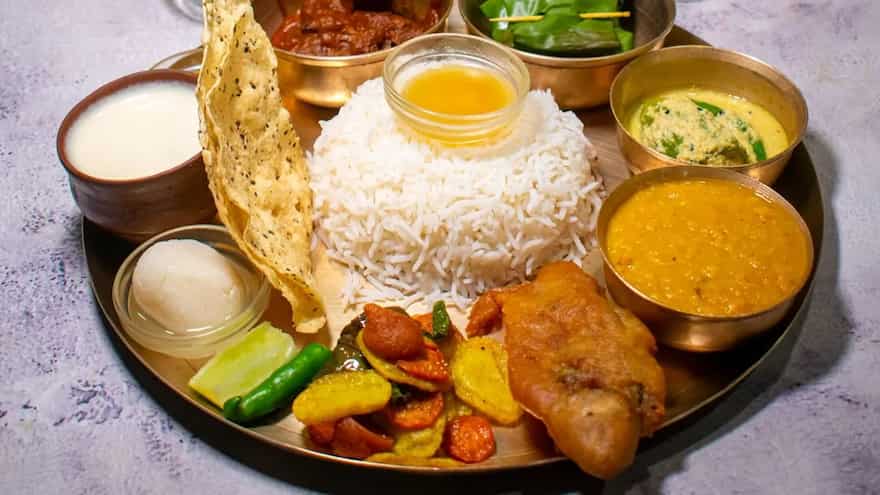
Image Courtesy: Lopamudra Kamilya
"Growing up, Poila Baishakh was all about togetherness and little rituals that made the day feel special. We would wear new clothes, head out with our parents to a well-known restaurant in the city, and often wrap up the celebration with a classic Hollywood movie. Those moments shaped my understanding of food—not just as something we eat, but as an experience we share. That philosophy still reflects in everything I do today. This year, the celebration becomes even more special as we introduce a curated bar featuring my own signature cocktails," she mentions.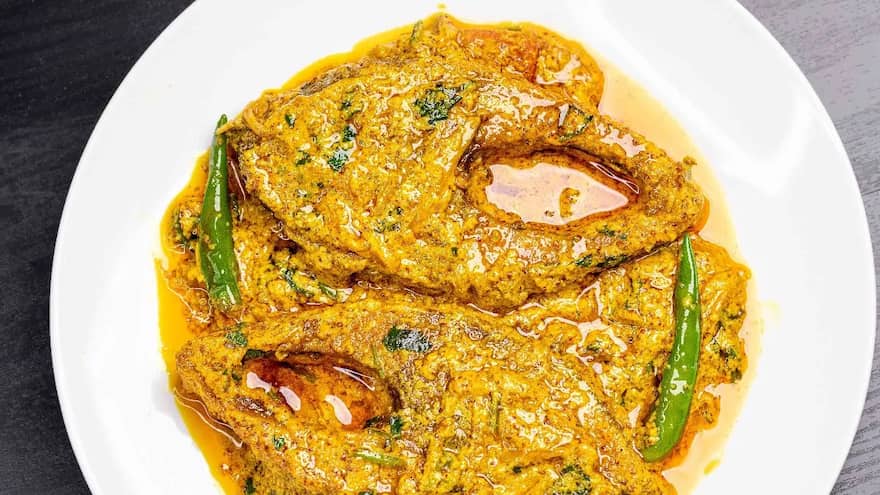
Image Courtesy: Adobe Stock
Lopamudra shares two iconic recipes that define her brand. The first is the Ilish Truly Bong Special Sorshe Ilish, which uses high-quality Hilsa and a pungent mustard paste finished with a raw oil "Mejaji" kick. The second is Daab Chingri, where large Golda prawns are marinated in a special coconut-water-based masala and baked inside a tender coconut shell. By bridging the traditions of Ghoti and Bangal palates, she ensures that the essence of Nabobarsho is accessible to all.
Ilish Truly Bong Special Sorshe Ilish
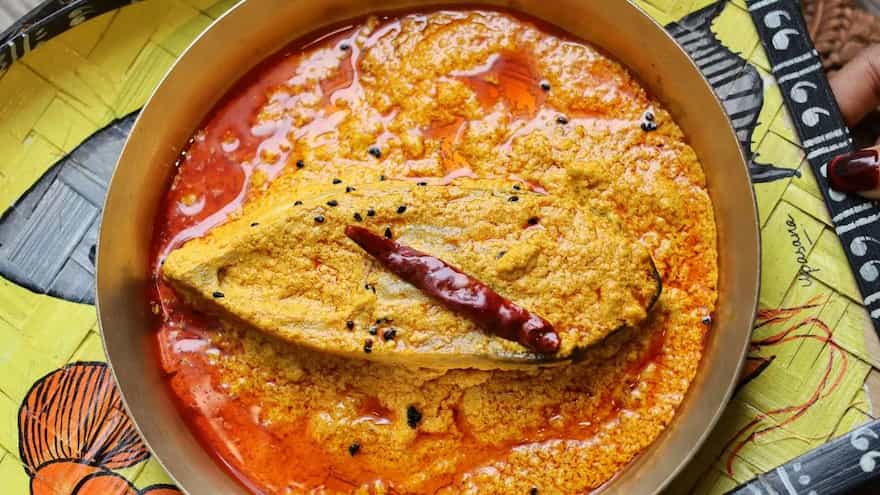
Image Courtesy: Lopamudra Kamilya
This is the gold standard of Hilsa, focusing on the pungent kick of mustard and the richness of mustard oil.
Ingredients:
- 4 pieces of Ilish (100 gm)(Hilsa), preferably which are more than 1.4kg weight
- 3 tbsp Mustard paste
- 6-8 Green chilies (slit)
- 1 tsp Turmeric powder
- ½ cup Mustard Oil (high quality)
- Salt to taste
Method:
Lightly smear the fish with salt and turmeric.In a bowl, mix the mustard paste, turmeric, salt, and a tablespoon of mustard oil with a little water. Heat mustard oil in a pan until it smokes. Briefly sauté the fish. Remove fish, add nigella seeds (kalo jeera) and green chillies to the remaining oil. Pour in the mustard mixture. Once it simmers, add the fish. Cover and cook for 5-7 minutes. Finish with a generous drizzle of raw mustard oil and extra slit chillies for that authentic "Mejaji" kick.
Daab Chingri (Prawns in Tender Coconut)
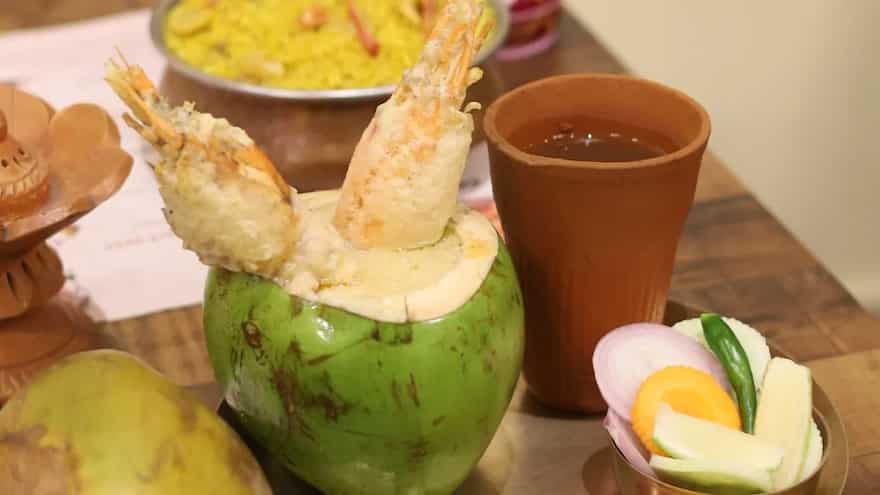
Image Courtesy: Lopamudra Kamilya
A royal favourite that symbolises the tropical bounty of Bengal.
Ingredients:
- 8-10 Large Golda Prawns (cleaned, tail on)
- 1 Large Tender Coconut (Daab) with thick malai (flesh) inside
- 2 tbsp Mustard paste
- ½ cup Coconut milk
- 1 tbsp Onion paste
- Green chillies and Mustard oil
Method:
Marinate prawns with salt and freshly prepared coconut water-based special masala, and mustard oil. Next, you have to stuff the marinated prawns back into the empty coconut shell. Seal the top and bake the coconut in an oven until the prawns are cooked. The prawns soak up the natural sweetness of the coconut shell, creating a flavour that is truly "Bong."
As she mentions, "While the core ingredients remain the same, Ghoti (West Bengal) traditions often lean toward a touch of sweetness in their dals and curries, whereas Bangal (East Bengal) traditions prioritise heat and the intense pungency of mustard and dried chillies. At Ilish Truly Bong, we bridge these two worlds to offer a curated "Zamindari" experience that appeals to every Bengali palate.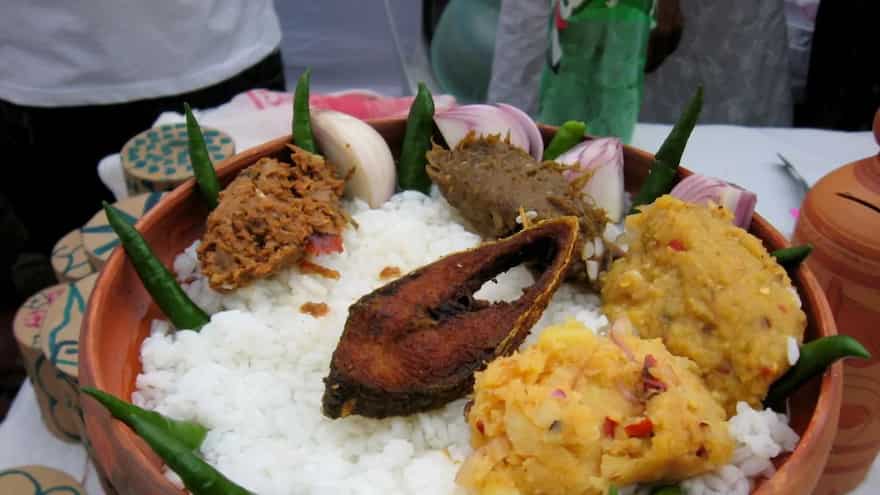
Image Courtesy: Adobe Stock
Stepping into Poila Baishakh 1433, let the hearts be as full as the thalis. Like the vibrant motifs of a Potochitro painting, may your year be filled with bright colours and beautiful stories. If you are celebrating with family or enjoying a quiet meal at home, may this ‘nabobarsho’ take the tradition a step toward a secure and hopeful future. Shubho Poila Baishakh to all—may the sweetness of this day linger in your lives throughout the coming year!