


 Share
Share

Pohela Boishakh is the Bengali New Year, the start of the Bengali calendar, observed on the first day of the month of ‘Boishakh’. It is usually celebrated on April 14 or 15. The day is observed with great zeal across West Bengal, Tripura, Assam, and in Bangladesh, where it holds deep cultural and social importance.
And at the heart of the celebrations is mishti, as called in Bengal, which means sweet or dessert, is "sondesh". Sondesh is not just a dessert, but it's a reflection of Bengali craftsmanship. Made mostly from fresh chhena (curdled milk), it is light, soft, and subtly sweet, and nothing like the heavy sweets that are often associated with the festivals. What makes sondesh special is that it can be tweaked and adapted to many new flavours apart from just the classic one, that too without losing its essence.
This Pohela Boishakh, try these new ways of making sondesh to know how one base ingredient can change into multiple ways. Whether mixed with some fruits, chopped nuts, or fragrant flavours, every variety feels more familiar yet different. It keeps the festive spread interesting while staying rooted in tradition.
Nolen Gur Sondesh
This is possibly the most loved winter-turned classic that often becomes part of Pohela Boishakh celebrations. Prepared with nolen gur (which means new gur), which has a deep caramel-like sweetness with smoky undertones, making it feel richer than the regular sugar. The texture is soft and coarse, almost melting in the mouth as you bite into it.
What sets Nolen Gur apart is how the jaggery changes the entire taste profile, less sugary, more rounded, and having a more layered flavour. It feels indulgent without feeling too overwhelmed, making it perfect after a festive treat.
Ingredients
1 cup chhena
¼ cup nolen gur
1 tsp ghee
How To Make
In a pan, heat chhena and grate the nolen gur on a low flame, and stir constantly until it thickens and begins to leave the sides. Add a little ghee, mix it well, and remove it. Let it cool a bit, shape into small discs or moulds, and keep to set.
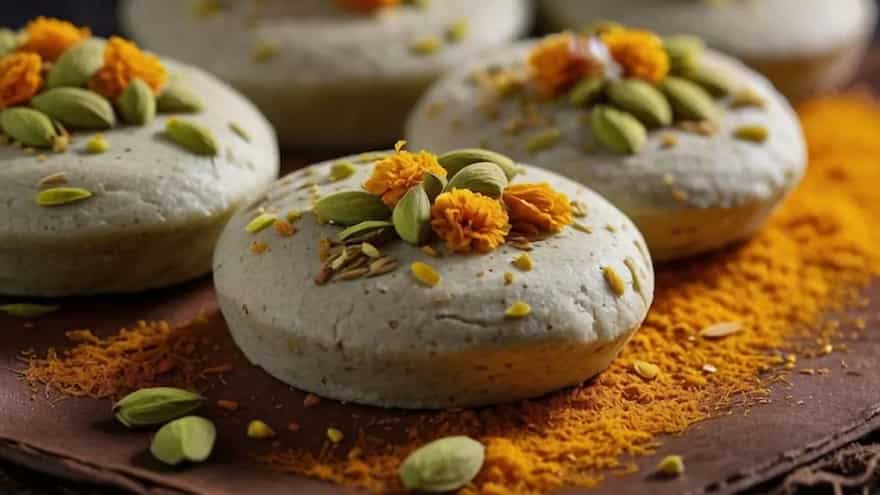
(Image credit: Freepik)
Kesar Pista Sondesh
Kesar pista sondesh has a more festive, a bit richer flavour. The saffron gives a light fragrance rather than just overpowering sweetness, whereas pistachios give a light crunch. It feels more celebratory, something you would serve to guests rather than just keeping for everyday indulgence.
The balance here is key. It is not overly sweet, nor too nutty, just layered enough to feel special in every bite. It also gives colour to the dessert spread, which always feels welcoming during festive meals.
Ingredients
1 cup chhena
¼ cup sugar
8–10 pistachios
A pinch of saffron
How To Make:
Cook chhena with sugar on low heat until it turns thick. Soak some saffron strands in warm milk, and add to the mixture along with some chopped pistachios. Mix it well, cool for a bit, then shape into small portions and garnish with chopped nuts.
Chocolate Sondesh
A more modern twist to the classic one, chocolate sondesh is where tradition goes hand in hand with a bit of playfulness. The cocoa blends into the chhena, making a mildly sweet, slightly bitter note that cuts through the richness. It is particularly favoured by those who like the modern taste but while still keeping it traditional.
Don't think of it as a chocolate-dense dessert, as this one is light. The texture stays soft, but the flavour feels more in-depth and more trendy. It’s a good way to add variation without straying too far from the original concept.
Ingredients
1 cup chhena
3 tbsp sugar
1 tbsp cocoa powder
How To Make:
Cook chhena and sugar together until it comes together and form a thick consistency. Add cocoa powder to this and mix nicely to avoid the formation of any lumps. Once the mixture begins to leave the pan, cool it down a bit, shape it into the desired forms, and let it set.
Mango Sondesh
Perfect to align with the season, mango sondesh feels bright and fresh. The natural sweetness of ripe mango mixes beautifully with the mildness of chhena, resulting in a dessert that tastes light and also has a bit of fruity notes. Also, it does not feel too heavy, which works well for the warm-weather celebrations.
The flavour feels clean and also familiar, much like a softer, less sugary version of a mango dessert. It’s particularly enjoyable when served a bit chilled, making it perfect for the daytime gathering. giving an ice cream vibe.
Ingredients
1 cup chhena
¼ cup mango pulp
2 tbsp sugar
How To Make:
Cook chhena and sugar until it gets a thick consistency, then add mango pulp to this. Continue swirling on low heat until the mixture gets firm. Cool down the mixture a bit, then shape gently, and refrigerate for some time before serving.
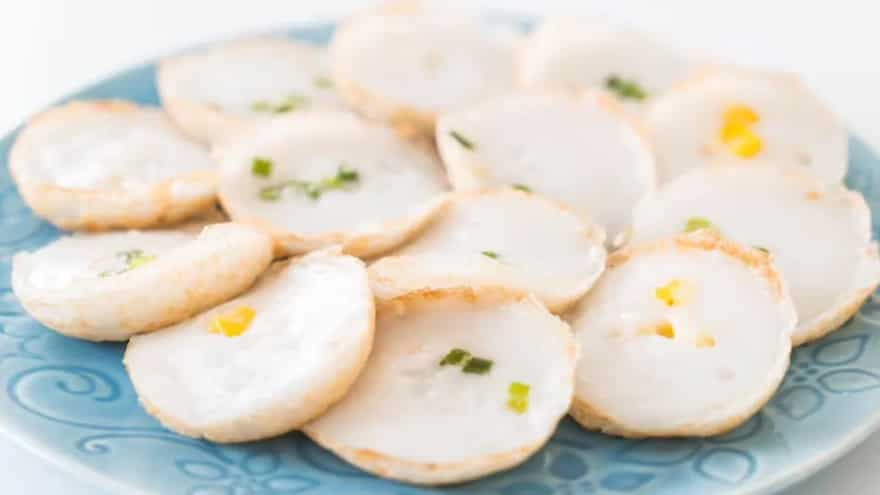
(Image credit: Freepik)
Rose Sondesh
Rose sondesh is light, aromatic, and a bit more delicate in flavour. The rose essence gives it a floral touch that does not dominate but remains on the palate softly. It’s the kind of sweet that feels light and soothing rather than being overly rich.
It works well when you want to have something different but also not too bold. The fragrance itself makes it feel festive in every bite, and the pale pink shade also adds a visual softness to the dessert table.
Ingredients
1 cup chhena
¼ cup sugar
½ tsp rose water
How To Make:
On a low flame, cook chhena with sugar t until it gets a thick consistency. Add the rose water at the end, mix gently, then remove. Let it cool down a bit, then shape into small pieces, let it set and serve.




