Share


For decades, the unmistakable white and turquoise box of Maldon Sea Salt has held a place of honour beside stovetops from London to Mumbai. Celebrated by culinary legends like Nigella Lawson and Jamie Oliver, those delicate, hollow pyramids have become shorthand for effortless sophistication. Finishing a charred steak, a bowl of roasted vegetables, or a dark chocolate tart with a scattering of Maldon flakes signals a cook who cares deeply about texture and provenance. That carefully cultivated reputation faced a sudden jolt in November 2026. An investigation by British newspaper The Observer revealed that the celebrated Essex brand incorporates substantial quantities of imported German rock salt into its production process. 
For purists who believed every crystal was evaporated solely from the brackish waters of the Blackwater Estuary in eastern England, the news felt like a betrayal of culinary romance. Social media forums quickly filled with indignant home cooks questioning why they were paying a steep premium for a single-origin British treasure that owed part of its existence to subterranean German mines. The uproar also pulled other boutique producers into the spotlight, prompting uncomfortable questions across the gourmet food sector about transparency, labelling laws, and the stories brands tell to justify luxury price tags.
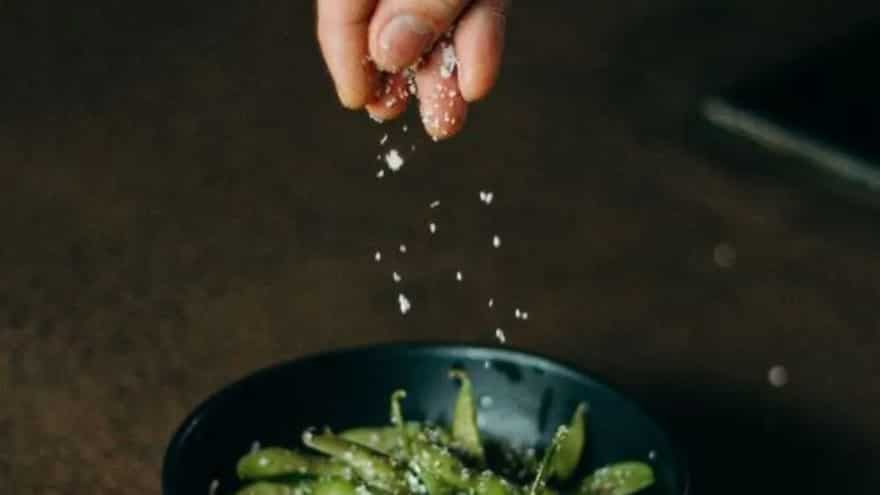 Image credit: Pexels
Inside The Salt-On-Salt Production Process
To understand how mined rock salt ends up in a sea salt packet, one must look past pastoral marketing and examine the physics of crystallisation. Natural seawater drawn from the Essex marshes at high tide contains roughly three percent dissolved salt. Evaporating that vast volume of water from scratch using modern energy inputs would be extraordinarily slow and costly, especially when supplying millions of households and restaurant kitchens worldwide. Instead, Maldon utilises a historic technique known within the trade as the salt-on-salt method. High-tide estuary water is first filtered and then passed through beds of pure, imported German rock salt. This step enriches the liquid, transforming weak seawater into a heavily concentrated brine. Master salt makers then gently heat this fortified brine in traditional open pans, carefully controlling temperature and timing until water evaporates and those signature pyramid-shaped crystals form on the surface, ready to be harvested by hand. Without that initial boost in salinity, achieving the exact mineral balance and structural geometry of the finished flake at commercial scale would prove virtually impossible.
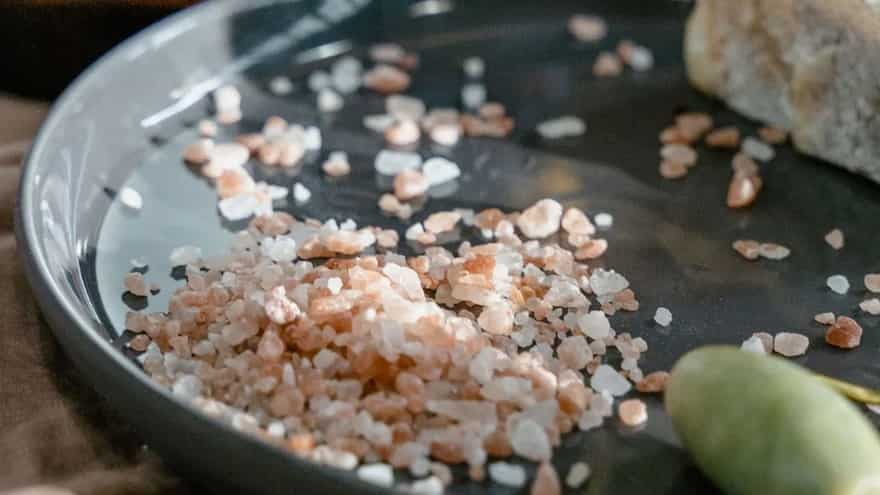
Image credit: Pexels
Maldon Responds With Science And Heritage
Faced with mounting scrutiny over undisclosed imports, the family-owned company stepped forward to clarify its methods rather than retreat from them. In public statements and updated website explanations, Maldon confirmed that German rock salt is indeed integral to creating its brine, noting that the specific mineral profile and purity of the mined salt help produce the crisp texture cooks adore. Crucially, the brand argued that rock salt is itself ancient sea salt, deposited millions of years ago when prehistoric oceans dried up beneath the earth. From a regulatory standpoint in the United Kingdom, food standards authorities reviewed the practice and confirmed that the packaging complies with existing legislation, as the chemical composition remains identical to evaporated seawater. Notably, Canadian regulations take a stricter stance on mined ingredients, which explains why boxes sold there carry the simpler title Maldon Salt rather than Maldon Sea Salt. While standing firm on the quality and safety of its craft, the company acknowledged that failing to mention the German origin on its boxes had caught loyal fans off guard, pledging to update its packaging so customers have the full story in plain sight.
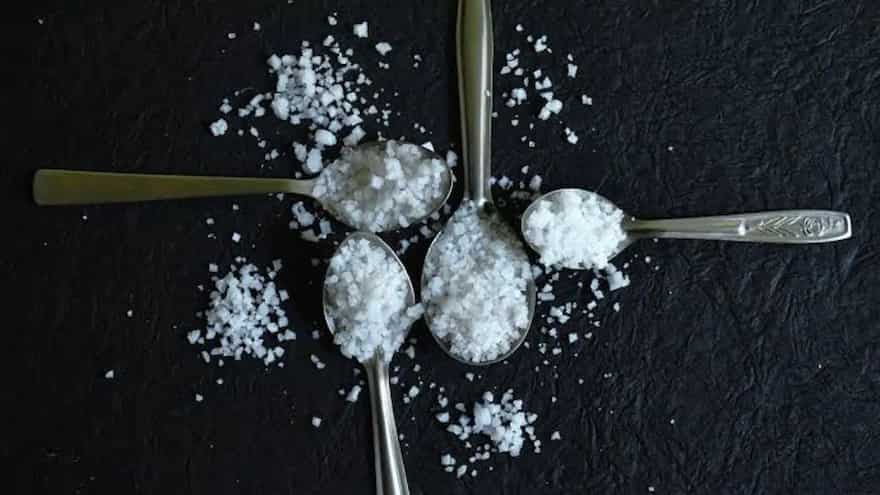 Image credit: Pexels
The Curious Economics Of Salt Premiumisation
Beyond the specifics of Essex estuaries and German mines lies a broader phenomenon familiar to modern shoppers: the premiumisation of everyday staples. Chemically speaking, all culinary salt is overwhelmingly sodium chloride. The difference between a twenty-rupee packet of iodised table salt and an imported tin of artisanal flakes has almost nothing to do with basic chemistry and everything to do with crystal architecture, mouthfeel, and storytelling. In Indian kitchens, consumers have watched a similar transformation unfold over the past decade. Everyday staples like turmeric, jaggery, cold-pressed oils, and regional rock salts such as sendha namak have been reimagined through sleek packaging, heritage narratives, and wellness claims. When a commodity is elevated into an affordable luxury, buyers are rarely purchasing raw molecules alone. They are buying ritual, aesthetic pleasure, and a connection to traditional craftsmanship. Tiny, dense grains of standard table salt dissolve instantly on the tongue, delivering a sharp, uniform hit of salinity. Large, fragile pyramids, by contrast, shatter slowly between the teeth, offering bursts of savoury brightness that elevate even the simplest dish.
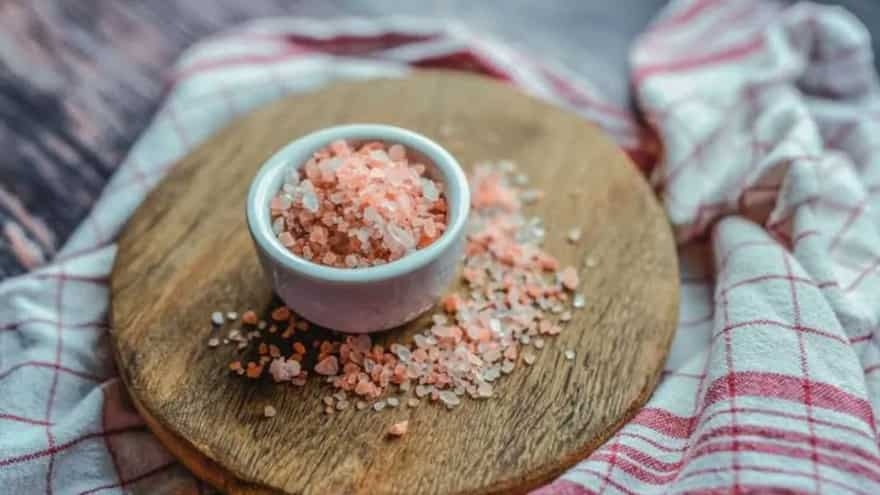 Image credit: Pexels
Why Transparency Matters More Than Purity
Ultimately, the Maldon episode reveals a fascinating tension in contemporary food culture. Craft producers that achieve global fame must scale up delicate, time-honoured techniques to satisfy relentless international demand. Doing so often requires clever industrial adaptations that sit awkwardly alongside romantic origin tales printed on the label. Most seasoned chefs care far more about how a flake performs on warm focaccia or grilled paneer than the passport of the sodium ions inside it. Yet modern consumers expect candour when paying top rupee or pound for heritage goods. Great culinary brands earn lasting trust not by pretending their processes are frozen in the nineteenth century, but by inviting cooks into the kitchen and explaining the genuine craft behind every crystal.