


 Share
Share

In the lexicon of a big fat Indian wedding, the Punjabi rasam of Pehli Rasoi has a distinct, sugar-coated spot, at least now, more than ever. After the heavy lehengas are packed away, the music has faded, and the bride steps into a new home, she also inaugurates the first day in the kitchen. And as per traditions, the Punjabi ceremony involves making something sweet, which is usually halwa or kheer.
Tradition dictates that this act secures the bride a place in the household, earning her blessings and shagun. But is the ritual just about whipping up a dessert, or is the kitchen the first place where realities of marriage and gendered expectations truly simmer? To dive deeper into this tradition, prevalent in the northern parts of India, Slurrp talked to women across all generations. Read on how the Pehli Rasoi Rasam has evolved through five decades.
Usha Chugh
78-year-old, married in 1970
When you think about the 1970s and 1990s, preconceived notions make you think about how women must have adjusted to a new home and kitchen. Contrary to the popular image of a nervous bride trembling over a ladle, after my interactions, I realised that the reality for earlier generations was far more pragmatic.
"I had never heard of the Pehli Rasoi rasam," Usha recalls, dismantling the idea that the ritual was always a grand affair. "Neither my mother nor my mother-in-law ever talked about it." She said she stayed at her in-laws’ home for about a week, and she never felt pressured to cook as a new bride.
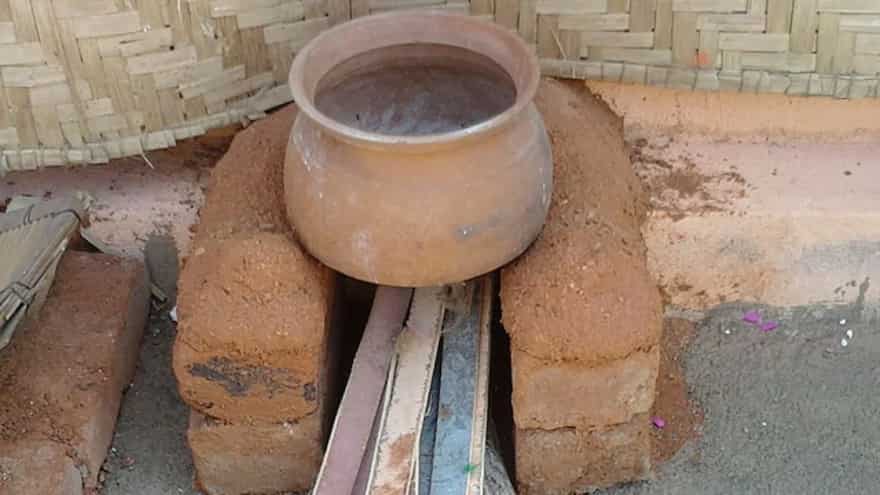
Image Credit: Wikimedia Commons
“We had a lakdi vala chulha,” she remembers. “My mother-in-law had already prepared the sabzis. She just asked me to make a couple of chapatis. Since I wasn’t used to sitting down and cooking on a chulha, they were very understanding about it and didn’t assign me any more kitchen duties."
While back in her time, there was no pressure to impress, no formal introduction to kitchen duties, she had a surprisingly modern perspective on today’s version of the ritual.
When asked about her expectations as a mother-in-law herself, she said, “No, I never expected my daughter-in-law to cook. Neither did we have a Pehli Rasoi rasam after my son got married, nor do I expect her to cook for the family whenever I visit them. In fact, I love the arrangement that my son and daughter-in-law have. With both of them being the breadwinners, they also act as partners when it comes to kitchen duties.”
Sonia Anand
50-year-old, married in 1992
Fast forward two decades, and the ritual began to occupy a strange middle ground. For a lot of women married in the early ’90s, the ritual was neither pressured nor glorified. It simply existed in the background. “There wasn’t a designated rasam for me,” says Sonia. “While I was a seasoned cook even before I got married, I didn’t know how to make halwa, the dessert synonymous with Pehli Rasoi.”
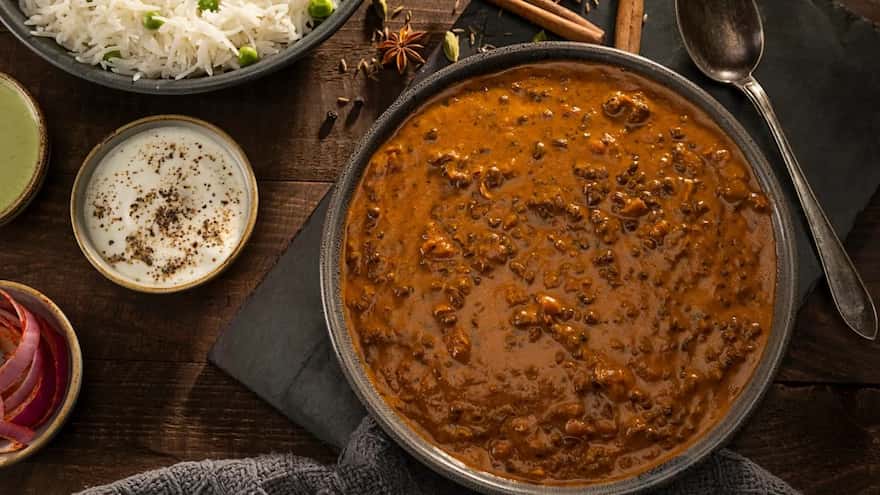
Image Credit: Adobe Stock
Sonia narrated how after the wedding, she had a full house, and the kitchen was moving at a fast pace to cater to the guests staying at her in-laws' home. “With all the post-wedding chores, my in-laws never asked to make the halwa. The sabzis and curries were already prepared, and as a shagun to inaugurate the kitchen, I was just asked to stir the dal and serve,” she notes.
She believes the current hype is a product of Bollywood movies, TV series, and, of course, the social media trends. Comparing the trends these days and the ceremonies in earlier times, she says, "The Pehli Rasoi these days has just been romanticised to make an aesthetic video for Instagram. This wasn’t the case when I got married."
Aarti Sehgal
41-year-old, married in 2007
By the mid-2000s, the ritual had solidified into the more popular ‘halwa ceremony’, which most people now know. But the cracks in the gendered walls began to show when the Pehli Rasoi leaned towards a patriarchal test where the bride made suji ka halwa after the wedding took place.
Despite the societal pressures, Aarti has a fond memory of her Pehli Rasoi. “My brother-in-law and sister-in-law helped me," she admits. "They whipped up the halwa, and all I had to do was smile and serve. And the best part was when I got a generous cash shagun afterwards.”
When asked if the rasam came naturally to her, she said, “I did feel like I was expected to make halwa for my Pehli Rasoi. Whatever you serve goes straight to everyone’s plate, and if it turns out well, you receive blessings and shagun, which makes the experience special.”
Talking about the pre-conceived gender roles, while her husband didn’t know how to cook when they got married, Aarti now notes a shift in her kitchen. "He sometimes wants to try his way around the kitchen, but I don’t let him because I can’t tolerate the mess!" she laughs. For her generation, the kitchen remains a domain she proudly commands, even as she acknowledges that sharing the ritual reflects "early coordination in the marriage."
Nikita Bhagat
34-year-old, married in 2019
The most significant shift in the Pehli Rasoi rasam appears with the women who got married in the last decade. For them, the ritual is less about proving domestic competence and more about companionship. As for Nikita, she whipped up kheer simply because that was the tradition observed in her family to start a new chapter.
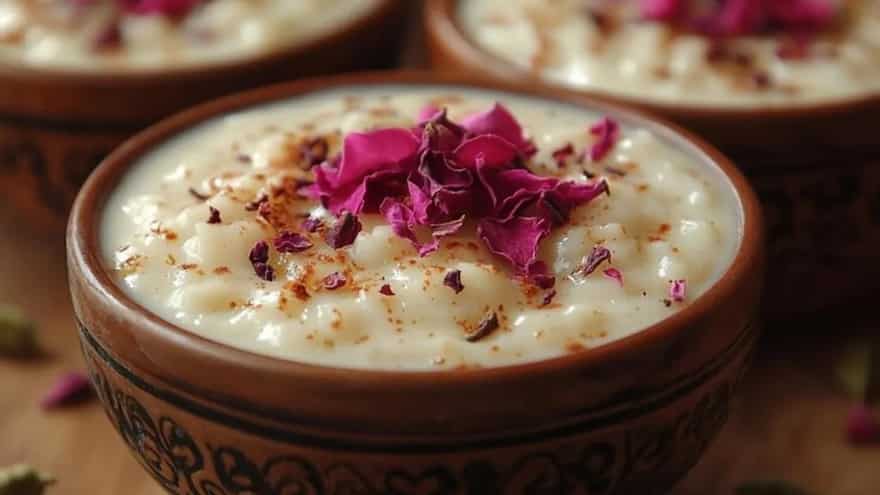
Image Credit: Freepik
“I actually embraced the rasam, and it didn’t feel like pressure, but a sweet cultural moment. My husband was very involved in ‘our’ Pehli Rasoi,” she proudly says. “Since I was new and didn’t know much about their kitchen, he and my mother-in-law both helped me. He didn’t let me feel nervous at all.”
Nikita also notes how down the lane, she and her husband have found their own rhythm. Talking about her home, she shares, “I enjoy cooking, so whenever we cook together, he becomes my helper, passing spices, chopping veggies… it honestly feels like I’m the head chef and he’s my assistant chef, and then he sometimes washes the dishes with me.”
“If both partners want to be involved and it doesn’t hurt anyone’s sentiments, then why not? But at the same time, women have always been seen as ‘Grah-Laxmi,’ so some rituals naturally revolve around them. And who doesn’t like the extra attention and ‘shaguns’,” she confesses with a laugh.
Nikita concludes that brides today are reshaping the narrative. "Brides today are more expressive about boundaries... Earlier, things were more traditional; now there’s more flexibility."
Ritika Sachdeva
27-year-old, married in 2024
Stripped from the extended family audience, after moving to Dubai post the wedding celebrations, Ritika and her husband transformed the rasam into an intimate date. "My husband surprised me by decorating the kitchen with flowers," Ritika shares, describing a scene that feels miles away from the nervous tension of the past. "I chose to make halwa for my Pehli Rasoi because I already knew how to make it, and being more connected to Sikhism, halwa immediately resonated with the idea of kada prashad. We made the halwa together, and it felt like the first little milestone we created as a married couple."
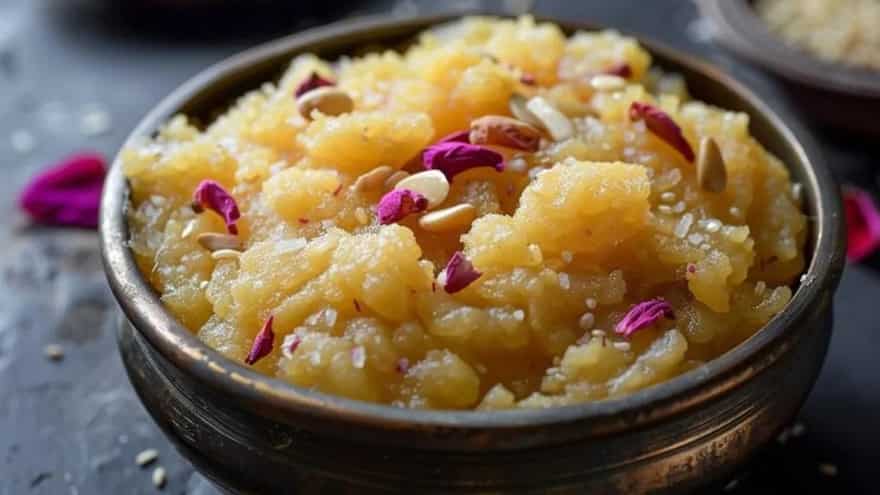
Image Credit: Freepik
Growing up watching her parents share kitchen duties, Ritika never perceived cooking to be a woman’s job. “In the initial days of our marriage, my husband would actually cook breakfast for me and bring it to me in bed, which stole my heart,” she gushes about the romantic gestures. “I’ve always loved cooking, so I naturally took to it, but we both agreed that the kitchen shouldn’t feel like one person’s responsibility.”
Describing the shift in the gender roles, she adds, “My husband, too, never associated kitchen chores with gender, as my father-in-law also shares responsibilities with my mother-in-law. So for us, it’s never been a big deal or a gendered thing. Everyone steps in where needed, and that mindset creates a very balanced and supportive environment.”
Annam Wadhwa
29-year-old, married in 2025
Married just a few weeks ago, Annam is at the juncture of living the emotions attached to Pehli Rasoi. “For me, it is a mix of emotion and ritual... keeping that tradition alive feels nostalgic," Annam says. “I’m genuinely happy to make suji ka halwa because it feels warm and meaningful. At the same time, there’s a little pressure in wondering whether everyone will like the taste of what I make and whether they’ll appreciate my effort.”
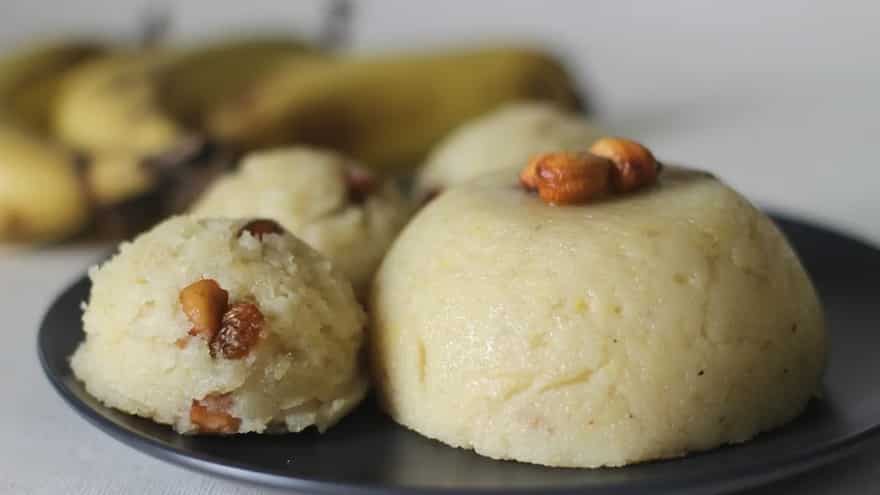
Image Credit: Adobe Stock
However, she points out the sharp contrast in upbringings. While the men in her maternal home handled kitchen duties, her husband grew up in a home where boys weren't expected to cook. While her husband is not a skilled cook, she admits, “He’s happy to help whenever I ask... but he definitely will need a big push.”
Annam poses a question that might define the future of this ritual: "If a girl is expected to make halwa in the boy’s home... then the same should happen when the boy visits the girl’s home. He should be able to cook, put in the effort, and show that he can keep their daughter happy, too. That,” she emphasises, “is real equality.”
Through generations, the Punjabi rasam has evolved from merely existing in the background to a patriarchal test to a sheer bonding experience. But what remains constant is the sweetness. The halwa might sometimes be replaced by other favourites, like perhaps pancakes topped with chocolate, a bowl of seviya, or an elaborate dessert, but the intent to start a new chapter with something sweet is bound to stay.




