


 Share
Share

To understand the food of Cinco de Mayo, one must first look past the global marketing of nachos and cheap tequila. This day is not the independence day of Mexico. That honour belongs to the sixteenth of September. Instead, the fifth of May commemorates the Battle of Puebla in 1862. It was a day when a poorly equipped Mexican militia defeated the much larger and better armed French army. Because the victory took place in the state of Puebla, the celebrations and the culinary traditions are deeply rooted in Pueblan culture. For an Indian audience familiar with the idea of food as a symbol of resistance and regional pride, the story of these dishes will feel remarkably familiar.
The Royal Complexity Of Mole Poblano
The heart of any authentic celebration on this day is Mole Poblano. In many ways, Mole is to Mexico what a complex, celebratory Rogan Josh or a rich Malabar curry is to India. It is a thick, dark, and incredibly intricate sauce that requires days of preparation and a list of ingredients that often exceeds twenty or thirty items. The word Mole comes from the Nahuatl word mulli, which simply means sauce or mixture.
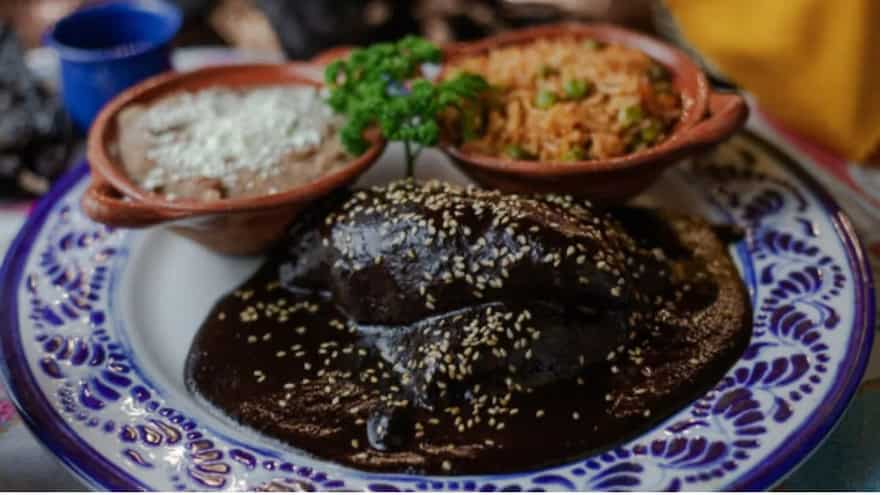
Image credit: Adobe Stock
Mole Poblano represents the fusion of cultures. It contains indigenous ingredients like various dried chillies, tomatoes, and cacao, but it also incorporates spices brought by the Spanish, such as cinnamon, cloves, and black pepper. The presence of sesame seeds and almonds further connects this dish to the global trade routes that once linked the East and the West. In a traditional Pueblan kitchen, the ingredients are toasted and then ground on a metate, which is a flat stone tool that looks and functions exactly like the Indian sil batta. The result is a velvety sauce that is spicy, earthy, and slightly sweet. It is usually served over turkey or chicken and represents the ultimate gesture of hospitality and festive spirit.
The Patriotism Of Chiles En Nogada
Another dish that defines the visual and patriotic identity of the day is Chiles en Nogada. This dish is seasonal and carries the colours of the Mexican flag: green, white, and red. It consists of large poblano chillies that are stuffed with a mixture of shredded meat, dried fruits, and spices. This stuffing, known as picadillo, is not unlike the fillings found in certain Indian savoury pastries or stuffed vegetables. The chillies are then covered in a creamy, white walnut sauce called nogada. To finish the dish, seeds of pomegranate are scattered over the top along with sprigs of fresh parsley.
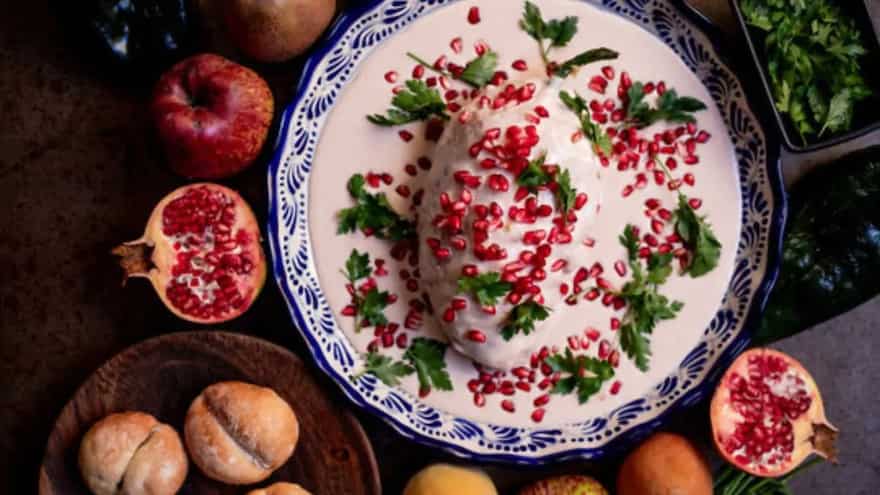
Image credit: Adobe Stock
The history of Chiles en Nogada is as colourful as the dish itself. Legend suggests that the nuns of the Santa Monica Convent in Puebla created the recipe to honour Agustin de Iturbide, a military leader who helped Mexico gain independence. The green of the chilli, the white of the sauce, and the red of the pomegranate represent the Three Guarantees of the new nation: religion, independence, and unity. For anyone who has felt a sense of pride while seeing the saffron, white, and green of the Indian tricolour, the sight of a plate of Chiles en Nogada evokes a similar emotion. It is a dish that tastes of history and national identity.
Cemitas And The Soul Of The Street
While Mole and Chiles en Nogada are the stars of the formal table, the street food of Puebla provides the energy for the public festivities. The Cemita is the most famous sandwich of the region. Unlike the standard burgers or rolls found in international fast food chains, the Cemita is a towering construction on a specific type of egg based bread roll topped with sesame seeds. The filling typically includes a breaded cutlet, avocado, white cheese, onions, and a very specific herb called papalo. This herb has a pungent, citrusy flavour that functions much like fresh coriander does in Indian street food, cutting through the richness of the fried meat and cheese. The Cemita is a symbol of the working class resilience of the people of Puebla, a hearty meal meant to sustain the spirit.
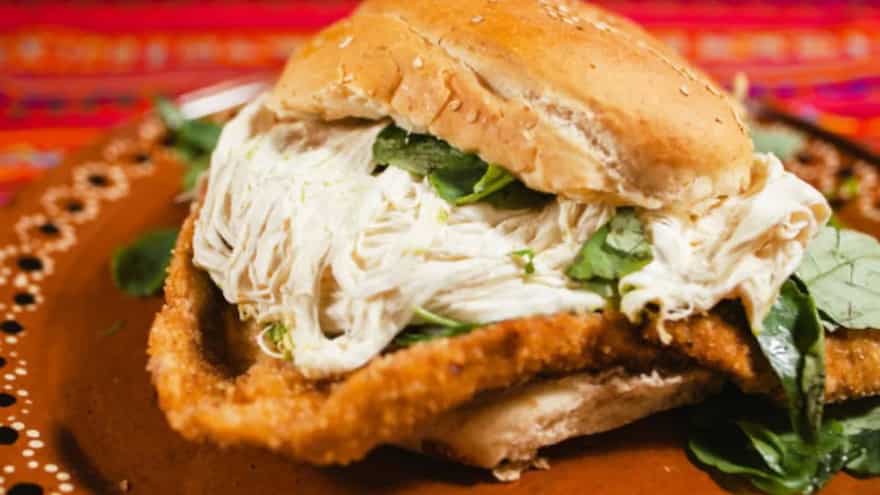
Image credit: Adobe Stock
Chalupas And The Common Griddle
Chalupas are another staple of the fifth of May. These are small corn tortillas that are lightly fried in lard and topped with red or green salsa, shredded pork, and chopped onions. They are simple, fast, and communal. In the markets of Puebla, you will see families gathered around large comals, which are flat griddles identical to the Indian tawa, watching as the tortillas puff up and crisp. The act of eating chalupas is about speed and shared joy, much like standing at a chaat stall and enjoying a plate of hot snacks with friends.
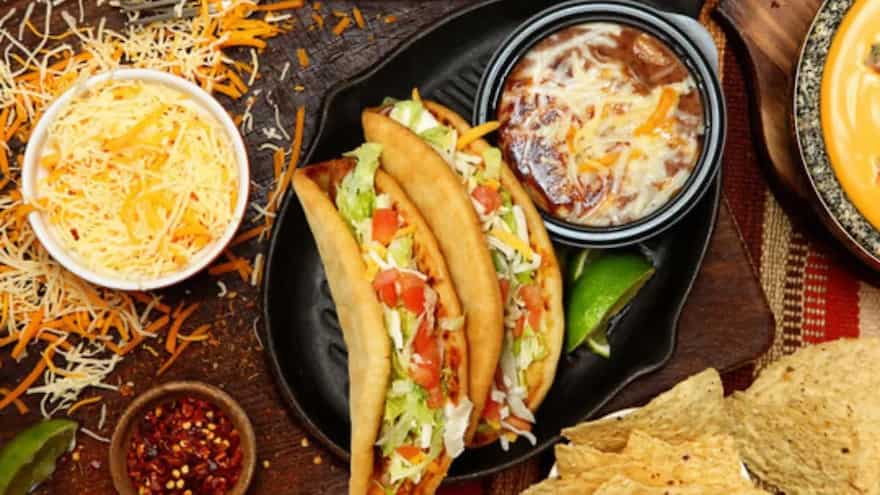
Image credit: Adobe Stock
Tamales And Ancient Traditions
No celebration in Mexico is complete without Tamales. These are parcels of corn dough, or masa, filled with various meats or vegetables, wrapped in corn husks or banana leaves, and then steamed. The process of making tamales is often a communal labour of love known as a tamalada. Families spend hours together spreading dough and folding leaves, a tradition that mirrors the way Indian families might gather to make large batches of laddoos or gujiyas before a major festival. Tamales represent the ancient corn culture of the Americas, a grain that is as sacred to Mexico as rice or wheat is to different parts of India.
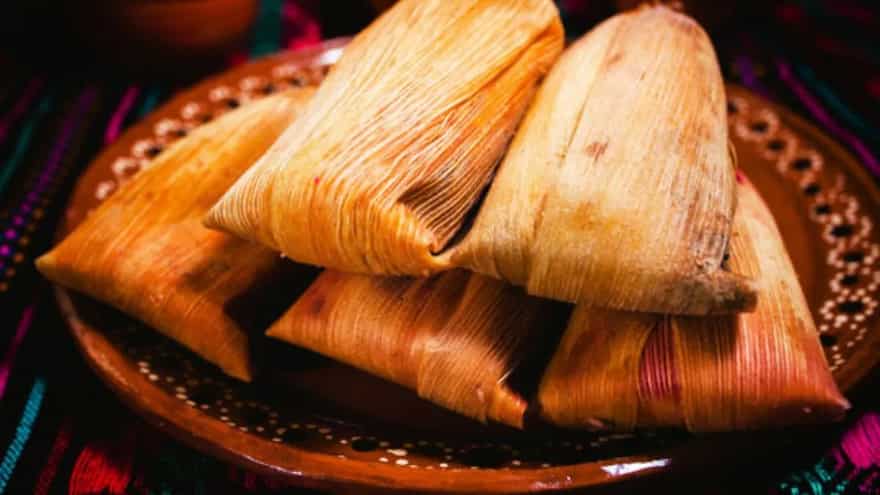
Image credit: Adobe Stock
Shared Culinary Roots With India
The flavours of an authentic Cinco de Mayo are surprisingly accessible to the Indian palate because of the shared reliance on chillies and spices. While the varieties of chillies used in Puebla, such as the smoky chipotle or the fruity ancho, have different profiles than the Guntur or Kashmiri chillies, the technique of balancing heat with acidity and sweetness is a universal language. The use of cumin, coriander, and cloves in Mexican cooking creates a bridge of flavour that makes these foreign dishes feel like long lost cousins of the subcontinental kitchen.
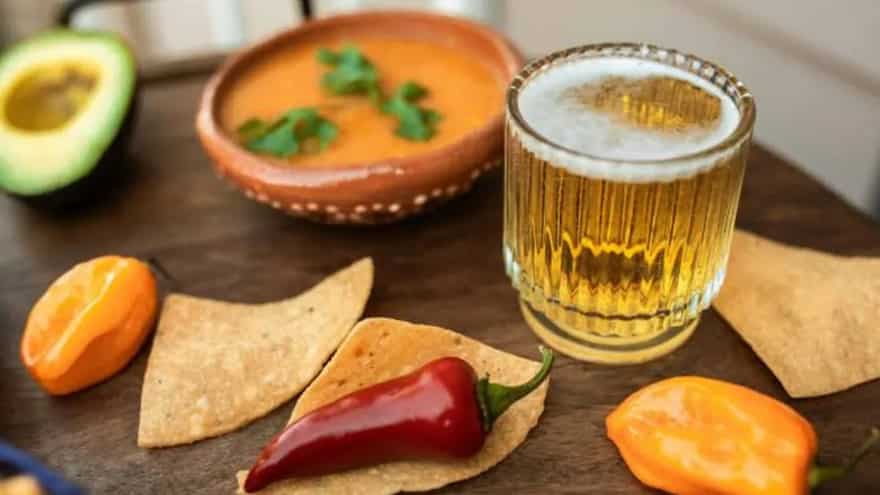
Image credit: Pexels
A Feast Of History And Heart
In conclusion, celebrating Cinco de Mayo authentically is about more than just a party. It is about recognising the victory of a local culture against an imperial power and celebrating that survival through the most complex and beautiful dishes the region has to offer. When you taste a true Mole Poblano or a fresh Chalupa, you are not just eating food. You are participating in a story of defiance, fusion, and family. For an Indian audience, this connection to the land and to the history of the kitchen is the most authentic way to appreciate the fifth of May. It is a reminder that across the globe, the best way to remember a victory is to gather around a table and share a meal that took time, effort, and a lot of heart to create.




