


 Share
Share

1. Gondhoraj Lebu:
West Bengali-native Gondhoraj Lemon has a distinct flavour and aroma. Its flavour is powerful and different from ordinary lemons, with flowery overtones along with strong citrus notes. Its luscious, pulpy texture adds to its appetising flavour. Gondhoraj lemon is used in cooking to enhance both savoury and sweet foods. Its zest and juice add a light and fragrant note to curries, marinades, sweets, and drinks. This hidden treasure of the region has gained value as an ingredient, giving Bengali cuisine a unique twist.
Video Credit: YouTube/ Agriculture and Technology
2. Mosambi:
Mosambi, sometimes referred to as sweet lime or mosambi, has a distinct flavour that mixes a hint of citrus with sweetness. Its pulpy and juicy texture gives it a cool mouthfeel. Although mosambi is typically eaten as a fruit, its juice is also a well-liked beverage that is frequently sweetened to satisfy thirst. The juice can be used in recipes as a natural sweetener for marinades, sauces, and desserts. The somewhat sweet notes of mosambi enhance the overall flavour profile of dishes, adding a wonderful dimension to both savoury and sweet dishes.
3. Pat Lebu:
Bengali pat lemons have a distinct flavour and texture. Unlike traditional lemons, they have a delicious balance of sweetness and acidity. The skin adds a hint of bitterness to the delicious flesh, giving it a well-rounded flavour. They have a smooth, slightly softer texture that is perfect for zesting and juicing. Pat lemons are used to add subtle citrus overtones to both savoury and sweet dishes in Bengali cooking. With their distinct regional flavour, pat lemons enhance culinary creations, whether they are used in marinades, chutneys, or desserts.
4. Nemu Tenga:
Assamese citrus fruits like Nemu Tenga have a distinct flavour that combines sourness with a touch of bitterness. Its skin is thin and edible, and its texture is usually juicy. Nemu Tenga is a staple in Assamese cooking, appearing in dishes like the tart fish curry called "Masor Tenga." The juice of the fruit gives curries, chutneys, and sauces a unique flavour by acting as a natural souring agent. Its crisp flavour gives Assamese food more depth and a zesty kick to a variety of traditional dishes.
5. Lisbon Lemon:
Lisbon lemons are well known for their silky texture and vibrant, tart flavour. They work well in both savoury and sweet recipes because of their strong flavour and little sweetness compared to other lemon kinds. Its smooth, thin peel makes zesting easy and adds a zesty scent to recipes. Lisbon lemons improve marinades, salad dressings, and sweets in the kitchen. Their juice gives chicken and shellfish a tangy bite. Lisbon lemons are highly valued for their ability to enhance both flavour and fragrance in a diverse range of culinary preparations due to their adaptable profile.
6. Rough Lemon:
A citrus fruit with strong tanginess and hints of bitterness, rough lemon has a unique flavour. Its pulpy, juicy inside is protected from the elements by a rough exterior created by its thick, textured peel. Compared to regular lemons, the texture is not as smooth. Rough lemons are used in cooking in a similar way to ordinary lemons, and they add a citrus touch to marinades, sauces, and desserts. Its distinct flavour complements both savoury and sweet recipes, making it a useful addition for cooks looking to add more citrus flavour to their food.
7. Nepali Oblong:
Renowned for its unusually long form, the Nepali Oblong Lemon has a somewhat tart and sweet flavour. Its smooth yet somewhat firm texture makes for a cool eating experience. Lemon juice and zest add a mild citrus flavour to curries, chutneys, and marinades, elevating Nepali cuisine. The flavourful peel is frequently added to traditional recipes to enhance their flavour. The Nepali Oblong Lemon is a highly valued component in Nepali cuisine, contributing to both savoury and sweet dishes with its unique flavour.
8. Kaji Lebu:
Native to the Himalayan region, Kaji Lebu is a delightful lemon cultivar with a unique flavour and texture. Its flavour is a well-balanced combination of citrus brightness and sweetness, giving it a distinctive taste. Juicy, delicious pulp is encased in a thin, smooth skin that offers a cool flash of acidity. Kaji Lebu is highly valued for its fragrant fragrance, which elevates food and drink preparations. Due to its flexibility, it is a highly valued component in India's diversified culinary scene, adding a crisp, refreshing quality as well as a spicy tang to dishes and drinks.
9. Bush Lemon:
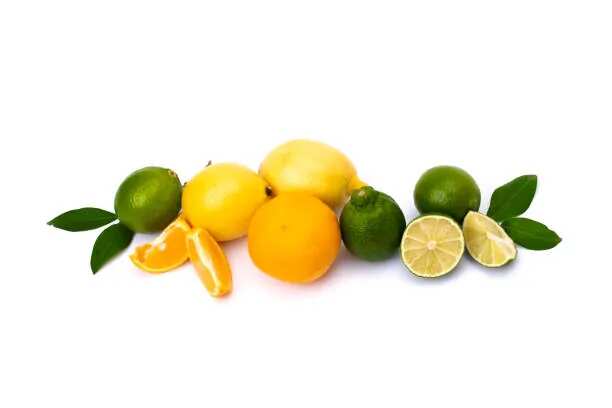
Native to India, bush lemons have a bright flavour and unique texture. The little, somewhat abrasive fruits have a strong citrus flavour with a touch of sweetness, which makes them useful in cooking. Juicy and tangy, the pulp gives food and drinks zest. Their fragrant essence is a result of the aromatic oils present in the peel. Bush lemons may be small, but they're mighty in taste, adding a burst of Indian citrus zest to both savoury and sweet dishes.
10. Pahari Lemon:
Grown in the Highlands, Pahari Lemon has a unique flavour and texture. Its flavour is less tart than that of regular lemons since it has hints of sweetness mixed in with the usual zesty citrus flavour. When the thin, silky skin gives way, a luscious, succulent pulp is revealed. The total sensory experience is enhanced by the texture, which is crisp and refreshing. Pahari Lemon's adaptation to mountainous environments gives it a distinct flavour profile, which makes it a delightful addition to foods and drinks in the areas where it grows.




