


 Share
Share

The holy Jain festival, Paryushan 2026, is all set to begin on September 8 2026, for Shwetambar Jains and will end on September 15. During this time, many people observe fasting, meditation and also discipline in everyday life. Food becomes an integral part of that discipline as well. Onion, garlic and root vegetables like potato, carrot and radish are generally avoided, as Jain food practices put great stress on minimising harm to living beings. Relying on tradition and the individual vow, some people also tend to avoid fresh vegetables, fruits, sprouts, and fermented foods totally.
That can make breakfast feel a bit repetitive and also challenging after a few days. But Paryushan food does not have to mean you need to eat the same plain meal for breakfast till the set time. Rather, using the allowed ingredients such as rice, wheat, millets, dal, sabudana, and makhana in creative ways can make different breakfasts that do not feel repetitive at all. Here are five ideas to make the morning breakfast during Paryushan 2026 a little more enjoyable while still adhering to the fasting rules.
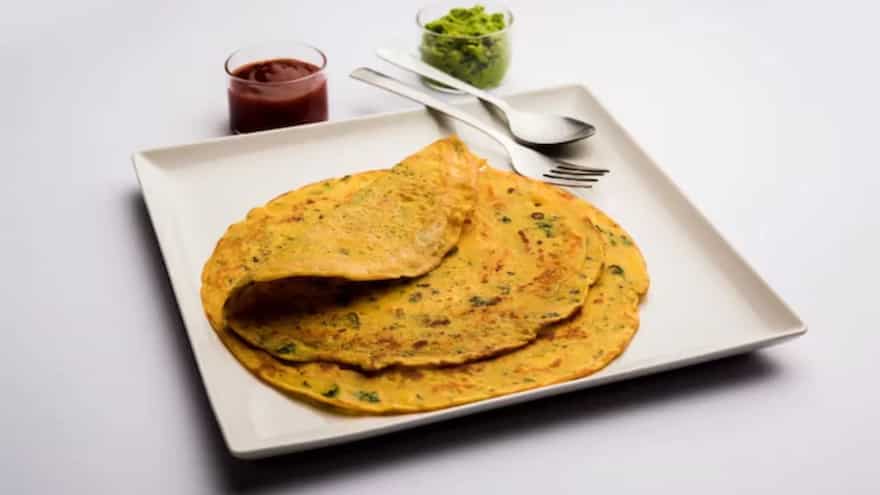
Moong Dal Chilla
Moong dal chilla is a good breakfast option when you want to have something savoury and also filling without missing onion, garlic or the vegetables. Soak some moong dal, grind it with cumin and basic spices, then spread the batter thinly on a hot tawa, as you do for dosas. It gets cooked into a lightly crisp-edged dosa with soft centres and a mild nutty taste.
As moong dal adds to daily intake of protein, it feels a more substantial choice than a plain rice-based breakfast, and it can also keep hunger at bay until lunch. Make the batter fresh rather than keeping it to ferment overnight, particularly during stricter Paryushan adherence.
(Image credit: Freepik)
Sabudana Khichdi
Sabudana khichdi can be another simple breakfast option that can feel festive rather than being restrictive. Soak some sabudana overnight, and then toss it with some roasted peanuts, cumin and basic allowed spices, making a dish that feels familiar in every way, with crunchy bits of peanut in every bite. For this version, you can skip the usual potato and keep the tempering simple.
The blend of sabudana and peanuts makes it very filling, whereas the tempering of cumin gives it a warm, savoury edge. It is especially useful on mornings when you want to have something comforting with the limited foods allowed, but also something different from the everyday, usual options.
Rice Flour Cheela
Not very often heard of, rice flour cheela is worth trying once for breakfast. The batter requires only rice flour, water, cumin and spices, and then you can make cheelas out of it the usual way. Its edges turn crisp and a bit toasted, whereas the centre remains soft.
Unlike the heavy stuffed paratha, it feels very light but still keeps you full for a longer time. You can make it thin and crisp or a bit thicker and softer, depending on what you prefer. Its neutral rice taste also lets simple spices shine.
Makhana Lapsi
For those mornings when you wake up craving something sweet, makhana lapsi offers a change from the savoury breakfast options. Roast makhana until they turn crisp, crush them coarsely and cook them with milk (if allowed and you consume) or warm water, then sweeten and flavour it with cardamom and sugar.
The texture feels soft, porridge-like, with tiny nutty pieces of makhana in every bite. It is lightly sweet rather than feeling very dessert-heavy, making it appropriate for breakfast.
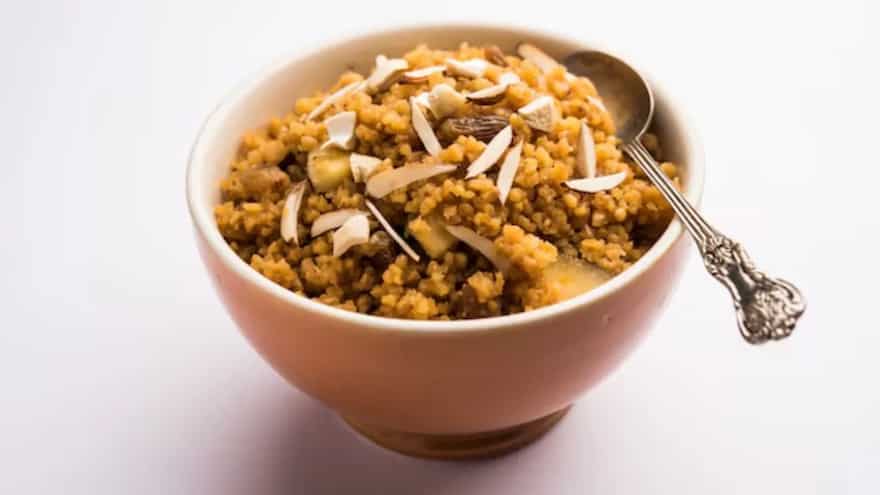
Wheat Lapsi
Wheat lapsi works particularly well for breakfast because it has the roasted broken wheat or daliya, which gives it more texture rather than just a plain smooth porridge. Start by roasting the daliya in ghee until it gets a nutty fragrance, then cook it with water until the grains turn soft while maintaining a slight bite.
Jaggery adds a deeper caramel-like sweetness, whereas cardamom keeps the flavour aromatic rather than too sugary. It is also a suitable choice on a busy morning as it can be made quickly, just in one pan, without needing any elaborate cooking or multiple utensils.
(Image credit: Freepik)




