


 Share
Share

Rice is considered the foundation of any meal in Bengali culture, as it is in many other Asian cultures. Both the old Bengali word odan and the Sanskrit word anna refer to both food and rice. Because of this, asking "Bhaat kheyechho?" isn't really about rice at all; rather, it's a polite, common approach to find out if someone has eaten. This simple phrase conveys a lot about how ingrained rice is in everyday life. Rice subtly appears at every stage, from a child's birth to the last rites performed after death.
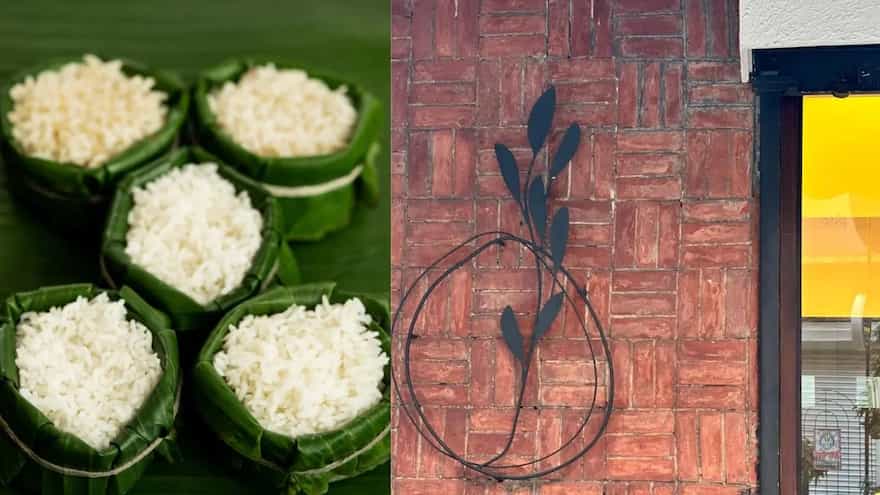
Image Credit: Amar Khamar Lunchroom, Kolkata
In Bengali rites of passage, raw grains, cooked rice, and puffed rice each have a specific role and significance. Here, rice is a blessing, a custom, and a legacy that is passed down from one generation to the next. Then there are feasts, where rice takes front stage in its most festive manifestations. Soft, mouth-melting payesh cooked slowly with milk and sugar and fragrant pulao rich with ghee are nostalgia on a platter. Without rice, no celebration in Bengali families seems complete because it doesn't feel like a genuine meal without bhaat.
In the Bengal region, domesticated rice production dates back around 4,000 years. Charles Darwin referred to the method by which early cultivators produced thousands of rice landraces, each tailored to the local terrain and climate, as "artificial selection." The Indica group of domesticated rice (Oryza sativa) includes the majority of these rice types produced in Bangladesh and eastern India. There is also some cultivation of Japonica rice in the area, particularly in regions with deep water. The precise number of rice varieties that formerly flourished in Bangladesh and West Bengal is unknown.
Nutrition, Tradition And Cultural Memory
Experts estimate that undivided Bengal had about 15,000 native rice types in the 1940s. Some were grown for floods, some for dry land, and some simply for flavour. Farmers cultivated diverse varieties for various seasons, soils, and even moods. Farmers continued to cultivate some 5,500 traditional types until the late 1960s. Farmers who were familiar with their soil and trusted these grains selected the rice varieties that were passed down through the generations. Following the start of the Green Revolution in India in 1965, things changed. A few high-yield rice cultivars gradually dominated the fields. Thousands of traditional rice types were displaced and forgotten as a result of increased rice production. It silently lost diversity while gaining quantity.
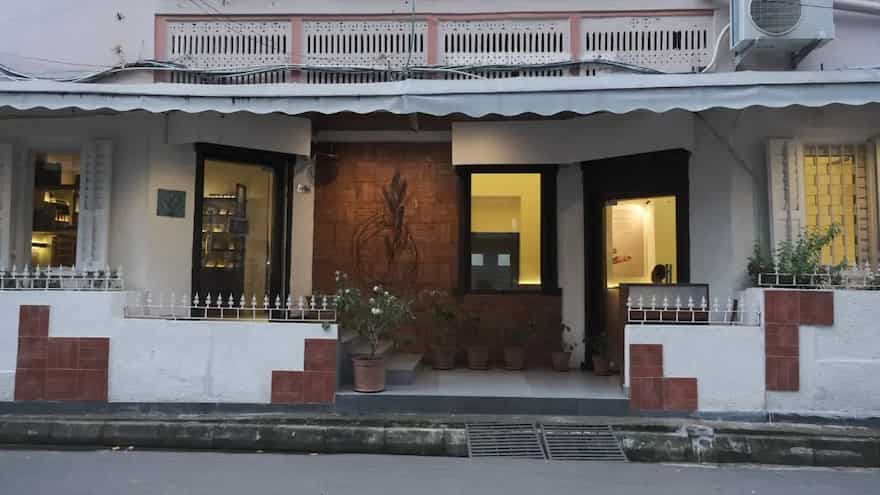
Image Credit: Amar Khamar Lunchroom, Kolkata
To put it briefly, the majority of Bengal's ancient landraces from both sides of the international boundary are currently only found in a small number of gene banks and are not owned by farmers. A component of traditional nutraceutical knowledge, rice diversity was essential for the dietary and nutritional security of the average person. Carbohydrates make up the majority of rice, with trace amounts of soluble proteins and lipids. It is rarely known that many highly valued foods have lost their original flavour, historical context, and social significance, in addition to the semantic significance of those rituals being lost when those rice types are forgotten. Numerous other types that were once thought to be suitable for the flavour and taste of certain rice meals are either extinct or forgotten.
Rediscovering Childhood Flavours With Amar Khamar
That is what Amar Khamar in Kolkata is attempting to do. Restore heirloom rice types and raise public awareness of where their food genuinely comes from. "At Amar Khamar, we firmly believe that the way we cultivate, prepare, and consume our food can actually improve the planet. Home-cooked, ingredient-led food isn't outdated; it's the way forward,” shares the team as a bottle of Thanda Thanda Aam Pora Sharbat is placed on the table. As a result, they have established Amar Khamar Lunch Room, where they honour the cuisine that has been formed by years of unrecognised excellence in their own kitchens for ages. Food created with years of love and effort by grandmothers, aunts, and moms. Root-based recipes designed to bring back memories of your home's tastes.
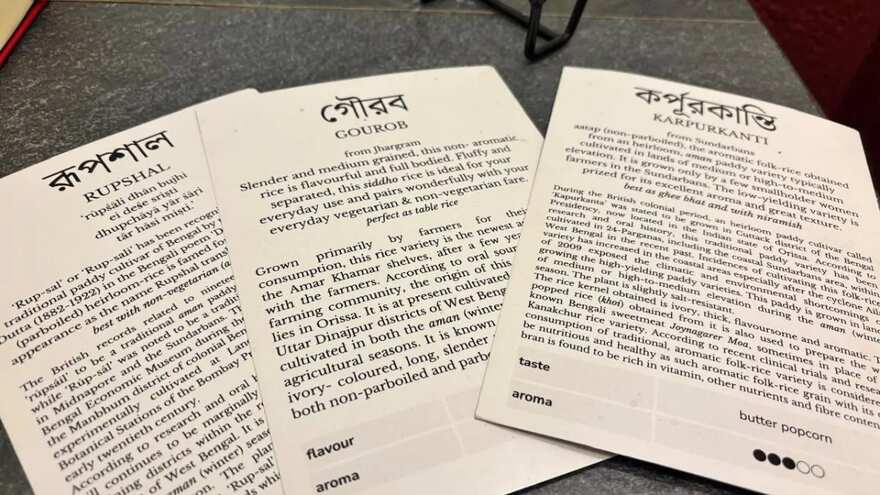
Image Credit: Rajlakshmi Dastidar
Even the artwork on the ceiling of the Amar Khamar, which depicts native rice types from all over Bengal, draws you into the narrative. It sets the tone for their famous dish, Chhuti-r Bhat. On a banana leaf, the meal is presented in four stages, each accompanied by a distinct heirloom rice cultivated by their respective farmer partners.
“With fewer people cooking at home, holding on to these recipes as part of our cultural heritage becomes equally important,” says the team at Amar Khamar. Previously, the number had decreased to just about 500, carefully preserved by a few farmers throughout Bengal. About 200 types are currently conserved by farmers connected to Amar Khamar, and 50 of them have found a home on their shelves. The store has more than 100 regional, natural, and value-added food items on its shelves in addition to heritage rice. Consider honey, lentils, jaggery, spices, and more, all ingrained in custom, ethically sourced, and created to preserve regional culinary traditions while blending into contemporary kitchens.
The crew at Amar Khamar wants you to know that each dish, jar, and grain has a backstory. It's a tale of farmers, fields, perseverance, and thoughtful decisions. Respect for food, people, and the environment is the foundation of everything here; nothing is coincidental. “We want to inspire each family to cook delicious and healthy food at home and share it with their friends and families, and even strangers! We believe that good food is the essence of life.”
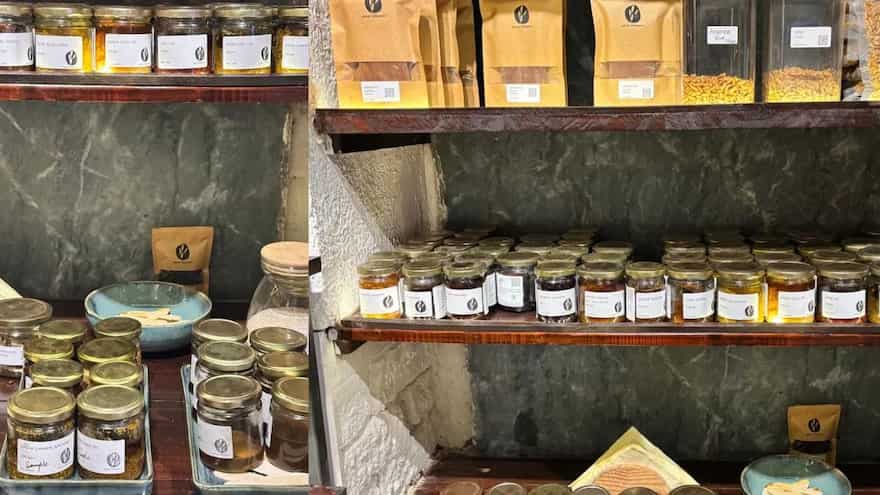
Image Credit: Rajlakshmi Dastidar
The team shares how every time someone decides to buy food that has been produced sustainably, they make the world a better place. They want to show the excellence that smallholder farmers can produce by contributing to the ecosystem as a whole. They think it can preserve the richness of nature by consuming a variety of foods. Ecosystems remain healthy and balanced when food is produced and consumed in a variety of ways because biodiversity is not only significant but also what holds nature together. That’s the mantra Amar Khamar lives by and preaches, too.
You'll gradually discover how various heirloom rices alter a dish's flavour and how combining the proper grain with the right dish may enhance the quality of common Bengali dishes. It's a minor detail, but once you see it, you can't go back. Currently, the menu offers over 8 heirloom rice varieties that have been carefully matched for Chhuti-r Bhat. The typical Gobindobhog won't be present here. Rather, lesser-known grains that showcase Bengal's tremendous agricultural diversity are highlighted. Sujoy Chatterjee founded Amar Khamar in 2019 as a social venture to assist small-scale farmers. Today, they work with growers around the state to deliver hyperlocal commodities, such as lentils, honey, ghee, jaggery, and spices, directly from the fields to urban kitchens through their store Annaja.
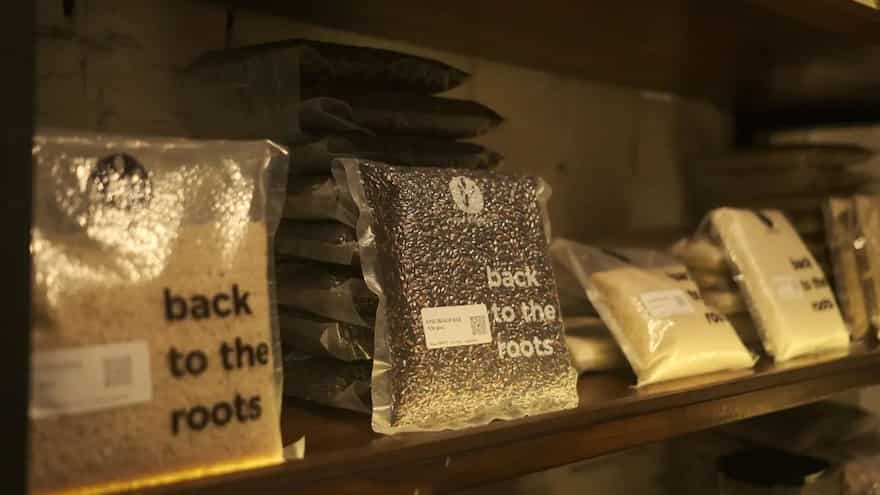
Image Credit: Amar Khamar Lunch Room, Kolkata
Sugondhi Karpurkanti Aatap, which is light and aromatic, is served with delicate meals like Teto, Shak, Makha, or Bata, where its perfume may remain delicate. As the meal progresses, Soru Siddho Rupshal stands firm alongside mains like Machh, Mangso, and Dim, while richer, more robust rices like Soru Siddho Gourab enter with Bhaja, Dal, and Torkari. Nothing too overpowering, just simple, easy recipes that are on a Bengali table.
The Hands That Nurture Bengal’s Rice Heritage
So, what does this mean? You do not have to rack your brain for the explanation. The team will generously explain to you how bold, full-bodied grains are used for richer recipes, whereas delicate rices are used for delicate tastes. Lighter rices would be overshadowed by meat or fish, whereas stronger rices would dominate early courses. Gourab is still a versatile grain that works well with both regular non-vegetarian meals and dal. And when comfort is the mood, fragrant Aatap varieties like Karpurkanti or Chine Kamini are best enjoyed as ghee bhat, especially with Amar Khamar’s Kalimpong ghee. All of this also has a well-curated plan and process. You might call this the true ‘farm to table’ concept.
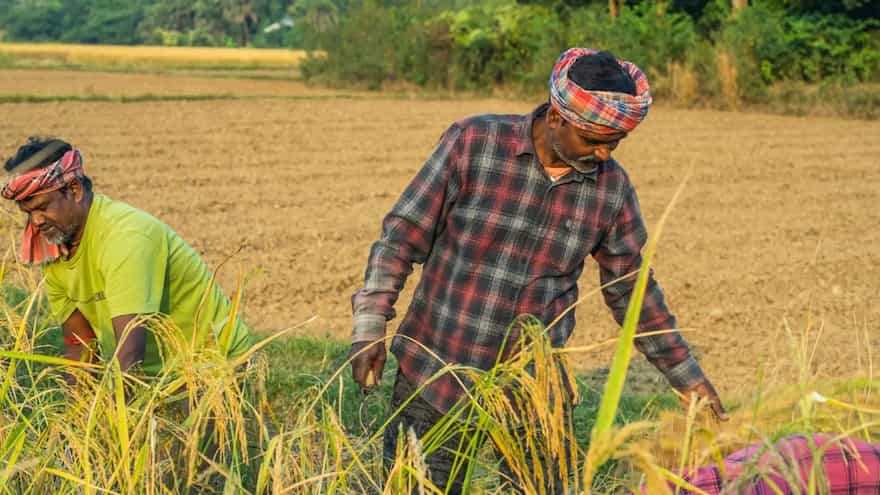
Image Credit: Amar Khamar Lunch Room, Kolkata
You will particularly be struck by Amar Khamar's close relationship with the farmers. They develop these connections over years, not seasons, by working closely with small and medium-sized farmers in Bengal and other regions of India. It's not only about sourcing; it's also about preserving traditional culinary knowledge, enhancing quality, and safeguarding heirloom crops. Farmers in this area are not forced to accept set rates.
They determine the value of their produce. In order to increase their income rather than decrease it, Amar Khamar actually encourages them to add value on their own end, such as by turning paddy into hand-pounded rice or puffed rice. And that concern is evident. As a result, delicious food is delivered to kitchens all around India, where consumers actually appreciate the consideration, hard work, and equity that go into each product.
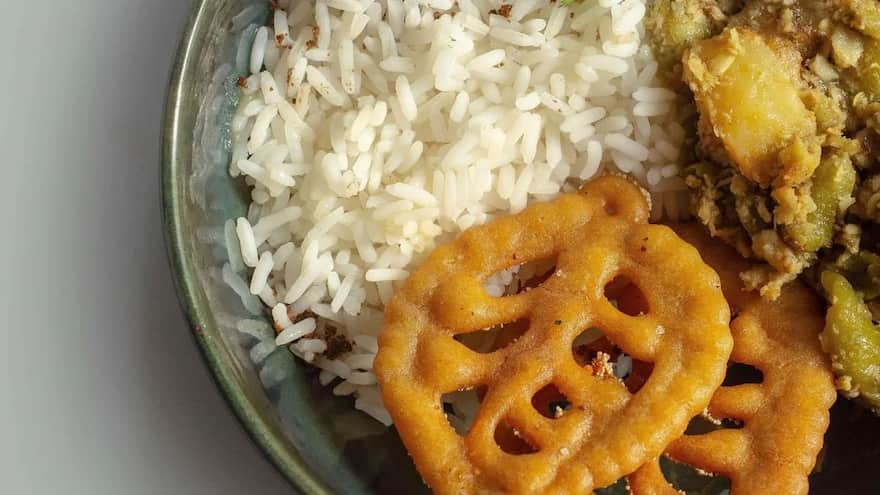
Image Credit: Amar Khamar Lunchroom, Kolkata
In the end, the team at Amar Khamar signed off by saying, “We aimed to serve seemingly simple food that is presented without the frills of what is trending, but food that is wholesome and heartfelt, and comes from years of experience and wisdom from everyday kitchens.” Perhaps Amar Khamar's efforts will finally persuade people in Bengal and beyond to take stock of how important homemade food is.
The kind of food that influenced your preferences, routines, and memories but never truly made it onto upscale restaurant menus. This cuisine has a subtle sense of exclusivity and intimacy that is connected to comfort, familiarity, and home. Amar Khamar revives those flavours. Honest food that reminds you of your origins with one spoonful.
Address: 21B, Hindustan Rd, Ballygunge, Kolkata, West Bengal 700029
Timings: 12:30 PM - 10 PM. Closed on Mondays.
Cost: INR 1,000 for two




