


 Share
Share

Long before non-stick pans and induction came into existence, Pongal was cooked where the harvest belonged - outdoors, under the open sky, in clay pots that breathed with the fire beneath them. The slow bubbling of rice and milk dribbling over clay vessels was not only a ritual, but it was chemistry, custom, and flavour performing together. Clay pots soak the heat unevenly, letting Pongal cook gently, creating a depth modern cookware often struggles to copy. Open-fire cooking adds a slight smokiness, whereas freshly harvested rice reacts differently to this patient heat, pouring slowly and releasing the natural sweetness.
In today’s kitchens, everything is regulated, controlled, and locked, but Pongal was never meant to be rushed. Its taste is shaped by wind, firewood, and hands that mix it by instinct and not the timers. Holding on to traditional Pongal cooking is not about memories alone; it holds sensory signals, collective participation, and a memory that modern devices simply cannot imitate.
Earthen Pots Give Pongal Its Soul
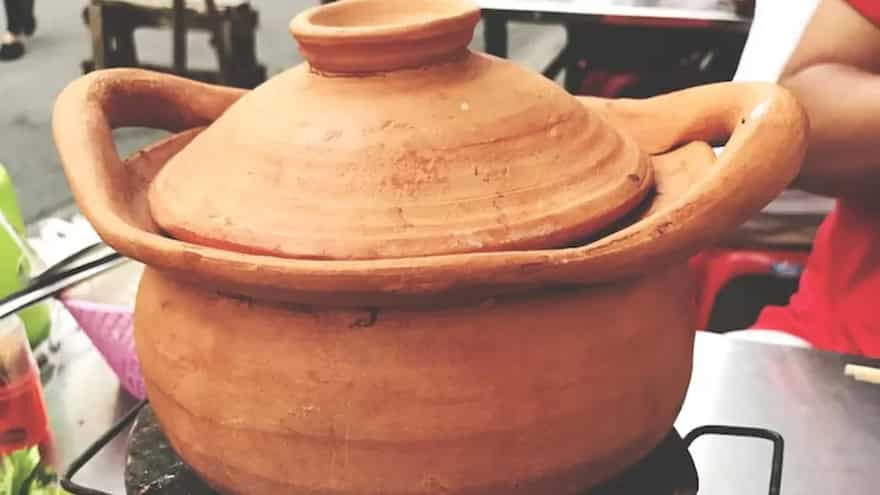
Cooking Pongal in an earthen clay pot is not only about tradition, but it also sets the dish’s flavour. Earthenware heats up slowly and unevenly, letting rice and dal soften gently without having to break. This slow simmer emits a nutty, rich aroma that metal vessels simply cannot imitate. The porous nature of clay soaks up the excess moisture, giving Pongal a thicker, creamier texture. Over time, the pot itself creates seasoning, subtly enhancing every year’s Pongal with that familiar warmth that feels extremely rooted as well as comforting.
(Image credit: Freepik)
Open-Fire Cooking Adds Smokiness
When Pongal is cooked outdoors on firewood, flames handle the pot unevenly, creating a mild smoky flavour that layers the dish with rural depth. The ghee melts differently, spices bloom gradually, and rice absorbs the heat slowly, letting flavours rounder and more prominent. Unlike the gas stoves that you can control, open fires demand attention- stirring, adjusting the wood and examining the boil. This hands-on process changes cooking into a shared ritual, where taste is shaped by patience, intuition, and the crackling of fire.
Fresh Harvest Rice Changes Texture And Aroma
Using freshly harvested rice is paramount to Pongal’s uniqueness. New rice is soft, rich in starch, and fragrant, making a naturally creamy consistency without excess ghee or water. It absorbs the dal evenly, creating a balanced dish rather than split grains. The fragrance of fresh rice cooking outdoors mixes with jaggery or pepper, filling the air with warmth as well as abundance. This rice represents wealth, making the dish feel alive with seasonality rather than being just another festive recipe.

(Image credit: Freepik)
Boiling Over Is A Blessing, Not A Mistake
The moment when Pongal boils over is purposeful and symbolic. It represents surplus, wealth, and overflowing blessings for the whole coming year. Cooking outdoors allows this moment to happen willingly, without the worry of spills or stains. The sight of rice bubbling over an earthen pot feels celebratory and joyous. Unlike the modern kitchens that prioritise neatness, traditional Pongal hugs quantity, noise, and mess, reminding us that food rituals are about feeling as much as accuracy.
Outdoor Cooking Turns Pongal Into An Experience
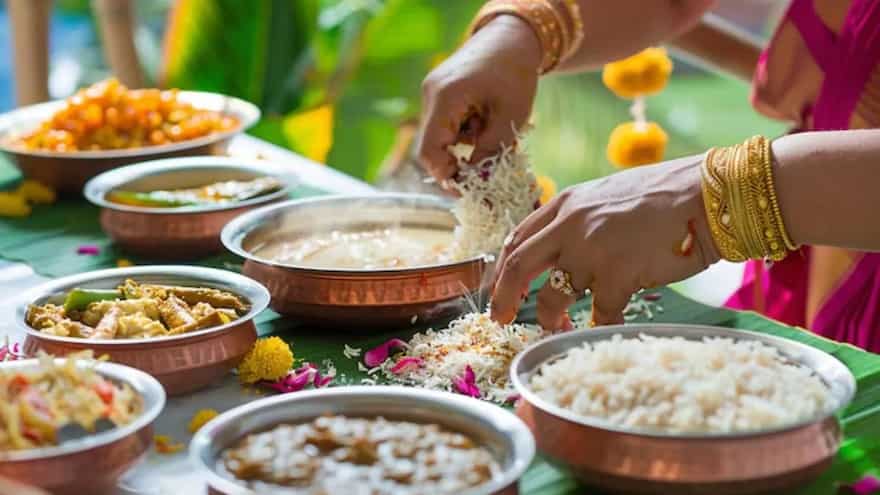
Traditional Pongal cooking is seldom done alone. Families collect outdoors, children look for the pot boil, elders teach the process, and neighbours join in. Cooking becomes storytelling, full of laughter, and shared expectation rather than a rushed task. The slow speed encourages mindfulness, i.e listening to the fire, sensing the rice, timing the ghee, etc. This combined rhythm reinforces the deeper meaning of Pongal: gratitude for harvest, nature, and togetherness, something that modern kitchens often try hard to recreate.
(Image credit: Freepik)




