


 Share
Share

For many, ordering coffee means deciding between an espresso, cappuccino or latte. At present, however, some speciality cafés are encouraging customers to enjoy coffee in a bit of a different manner, and not just as a quick caffeine fix. This shift has given rise to omakase coffee, a concept that has been inspired by Japan's celebrated omakase dining custom, where restaurants leave the menu fully in the hands of the chef.
Instead of focusing on just one beverage, omakase coffee honours the craft behind every sip, from the selection of beans and roasting to brewing as well as presentation. As speciality coffee culture continues to get famous globally, this immersive style is drawing curious coffee lovers who want to explore this beverage with greater depth, enjoy its nuances and uncover flavours they may never have noticed in their everyday mug.
What Happens During An Omakase Coffee Session?
An omakase coffee session is more like a guided tasting than just a random café visit. It generally starts with a short conversation, where the barista asks you about your choice of flavour, your last coffee experiences and how adventurous you want the tasting to be. From there, they curate a series of coffees, carefully selecting the beans, brewing methods and also serving.
Each cup is presented with the story behind its source, processing method and roast profile, while the barista defines the tasting notes you can hope for. Guests are urged to smell the coffee they begin to sip, notice how the flavours develop as it cools down and compare every brew with the last one. Rather than just rushing through a single cup, the overall experience asks you to slow down and know how every element, right from the farm to the brewing process, are all resposnible for shaping the final taste of coffee.
Here are a few reasons why its demand is increasing rapidly among coffee lovers:
Every Omakase Coffee Experience Is Distinct
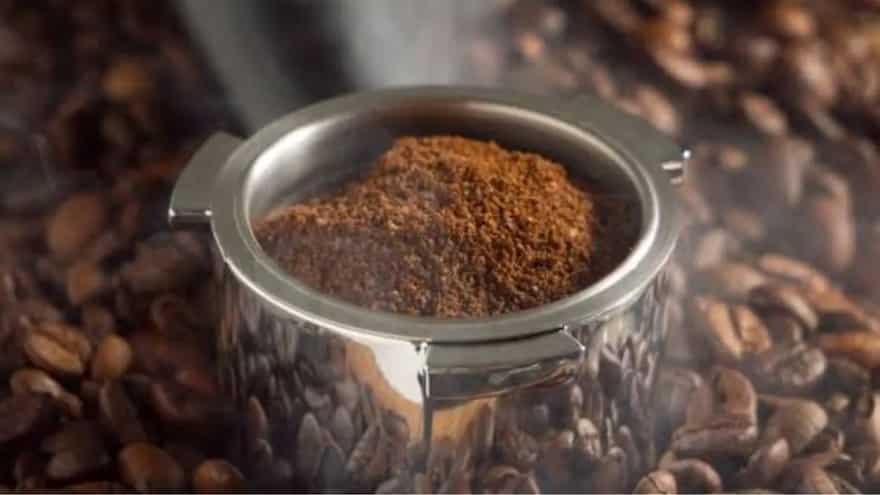
One of the greatest reasons coffee lovers are adopting omakase is that no two cups taste alike. Unlike the set cafe menus, the coffees change depending on the seasonal harvests, fresh roasting plans and newly sourced beans.
On one visit, you may get a taste of washed Ethiopian coffee with floral and citrus notes, whereas another one can introduce a naturally processed Indian bean that is bursting with sweetness like that of berries. As the choice constantly develops, every experience feels whole.
(Image credit: Freepik)
You Learn To Taste Coffee Like A Professional
Many people describe coffee as either "strong" or "light," but omakase coffee has an entirely unexplored vocabulary. Throughout the tasting, you will learn the concepts of acidity, sweetness, body, fragrance and finish. This helps you to identify tastes that are naturally present in the coffee.
You get to notice hints of ripe peach, jasmine, roasted hazelnuts, cocoa or brown sugar, not simply because they are added, but because of the variety of bean added, growing requirements and the processing method. By the end of the session, even first-time speciality coffee lovers begin to comprehend how totally different two cups of coffee can taste.
Brewing Methods Become Part Of The Story
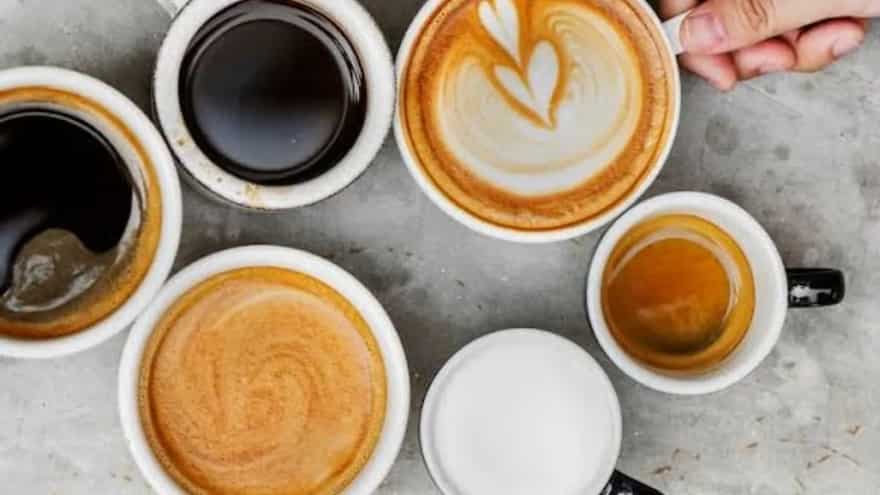
During experiencing omakase coffee, brewing is not just any random preparation, but it is part of the overall presentation. The barista carefully chooses the brewing method that highlights each coffee's personality at its best. A light, floral bean may be brewed as a V60 pour-over to highlight clarity, whereas a fuller-bodied brew could be made using an AeroPress or Chemex to improve sweetness and consistency.
Guests often look out for the brewing process to develop, knowing how grind size, the temperature of water, pouring method and extraction time all affect the final result. It changes brewing from just an everyday task into an alluring display of craftsmanship.
(Image credit: Freepik)
It Encourages Slower, More Mindful Coffee Drinking Experience
Unlike simply grabbing a takeaway coffee on the go, omakase coffee is meant to be enjoyed unhurriedly. You need to smell the fragrance before taking the first sip, reevaluate the coffee as it cools down and look for how flavours develop over time. Many baristas also suggest avoiding sugar or milk during the tasting process so the natural characteristics of beans are intact. It's an experience created to help people who like coffee pay more attention and develop curiosity.
It Changes The Way You Order Coffee Afterwards
The biggest result of an omakase coffee session is what occurs after it has ended. Many guests leave the place with a deep fondness for speciality coffee and get more curious about future café visits. Rather than just ordering a flat white or cappuccino, they become interested in the origin of beans, the roast profiles, fermentation methods and also the brewing options. In many ways, omakase coffee changes a simple casual coffee lover into a more knowledgeable and adventurous coffee fan.
Things To Consider Before You Book Your First Omakase Coffee Session
To get the most out of your first omakase coffee session, keep these things in mind:
- Go with a welcoming mind, as the best findings usually come from coffees that you would not order normally.
- Do not add sugar instantly; rather, taste the coffee first to comprehend its natural taste profile.
- Give enough time, as most sessions are planned to be enjoyed slowly rather than rushing through it.
- Be a curious customer, as baristas love to explain the beans, brewing processes and also the tasting notes.
- Take notes if you are a coffee aficionado. Documenting your favourite beans and taste profiles can help you in making more precise choices going forward.




