


 Share
Share

Not long ago, covering a food event meant stepping into a restaurant kitchen, notebook in hand, talking to a chef for hours about her grandmother’s secret spice blend or how he sourced his mutton recipe from a tiny village two hours outside Pune. It meant being present—tasting slowly, asking questions that unravelled culinary legacies, and writing stories that made people feel something. Today, that same event is abuzz with DSLR clicks and smartphones held high above plates, chasing that perfect reel angle or carousel-worthy pour shot.
There’s nothing inherently wrong with this shift. Change is inevitable, and in many ways, the growing dominance of Instagram and influencer culture has made food more accessible, democratic even. What used to be tucked away in broadsheets or paywalled websites is now available on everyone’s feed—often in real-time. But as a food editor and researcher who’s covered India’s culinary landscape from Delhi and Mumbai to Kolkata and Pune over the last decade, I find myself asking—what are we really consuming today? Is it food, or is it just content?
Food As Theatre, Not Thought
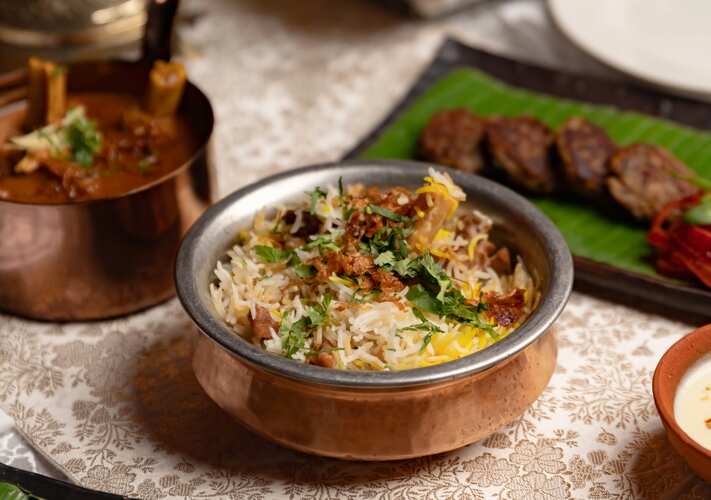
At a tasting in Delhi a few months back, I watched a plate of carefully plated galouti kebabs sit untouched for nearly fifteen minutes as a group of content creators adjusted their angles and lighting. The chef stood nearby, his family’s story about reviving Awadhi cuisine techniques dissolving into the din of shutters. When the kebabs were finally consumed, it was with no questions, no commentary—just a quick “so juicy!” into the camera before moving on to the next plate.
Food today is theatre. It must perform, sparkle, entice—and do it fast. While I understand and respect the immediacy of visual content, what concerns me is the increasing detachment between consumption and comprehension. Indeed, I am just as guilty of ensuring I come away from an event with as many stunning pictures and videos of the food and drinks served as I do with notes on how the menu is structured, or how the chef turned a recent trip into a specially curated, short-term event. The fact remains that at many such events, food is no longer tasted as much as it is filmed. The plate is no longer a story—it’s a stage.
The Ethics Of Overconsumption
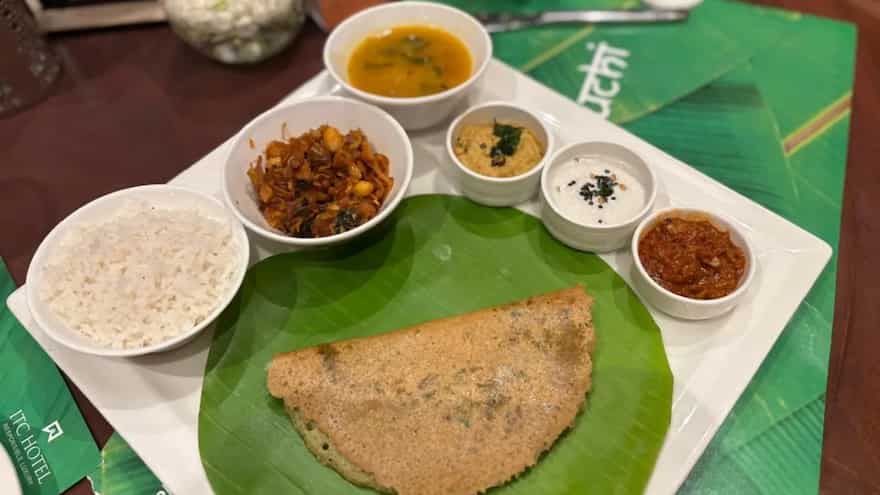
This detachment has other consequences. A single menu tasting, meant to showcase a chef’s craftsmanship or an ingredient’s versatility, often ends up being an exercise in excess. Dishes are ordered en masse, just to be photographed from every angle. Once the footage is secured, many of these dishes go half-eaten, sometimes untouched. I’ve witnessed platters of food being sent back to the kitchen with barely a few bites consumed—food that could have fed a small family.
For those of us raised on the ethics of mindful eating—on finishing what’s on our plate and respecting the labour behind every dish—this is deeply unsettling. The idea that food is ephemeral content to be disposed of once its visual value is extracted is not just wasteful; it’s antithetical to the very culture of food writing that many of us have spent decades nurturing.
And maybe this is precisely the reason why chefs and restaurants too have now shifted their attitude.
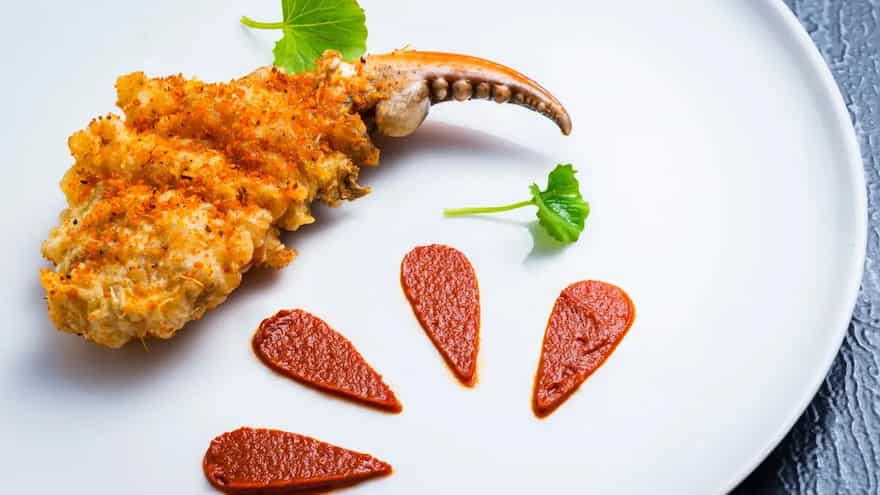
Plates of food on a curated menu have the smallest portions–not perhaps only to highlight the rare ingredients used or to capture the trend of plating smartly rather than abundantly or messily, but also to ensure that the food waste is minimal. Many restaurants across India are also prioritising building a smaller tasting menu with bite-sized portions, individualised or customised according to pre-decided guest lists to overcome these issues. But the fact remains that this adaptation stems from the shift in the consumer’s gaze, guided often by the critic’s lead–and the critics today aren’t just food writers but influencers too.
The Blurring Of Roles: Writers vs. Influencers
Another evolution worth observing is how food writers and Instagram influencers are now often clubbed together under the vague category of “content creators” at food events. While the reach of influencers is undeniably powerful—sometimes exponentially more than that of a legacy publication—their role is fundamentally different. Influencers are marketers. Writers are storytellers.
At best, these two roles can coexist. At worst, they create confusion and compromise. I’ve been at events where public relations agents ask for my follower or reel count, unaware that I’ve already interviewed them for a feature with deeper reach and longer shelf life than a 24-hour story. I’ve also had to explain to PR teams why I don’t post live from tastings—not out of reluctance, but because I believe in writing after understanding, not reacting.
And yet, there are bridges worth building. I’ve learned from influencers the value of being nimble, of capturing immediacy. They’ve learned from editors like me that a story’s soul lies beyond the filter.
What We Stand To Lose
This isn’t about elitism. It’s about depth. As the Indian food scene explodes with progressive new formats—regional pop-ups, ingredient revivalist movements, sustainable menus—we need chroniclers, not just creators. We need people who will trace the story behind a foraged mushroom used in a Pune tasting menu, or the reason why a Kolkata chef is pairing shorshe maach with a homegrown red wine from Nashik, or why a progressive Goan restaurant is offering feni cocktails with choris and poi.
If we reduce food coverage to trending audio and viral transitions, we risk losing the very cultural, historical, and ecological relevance of what’s on our plates. We risk turning cuisine into cliché.
Where We Go From Here
So, what’s the future of food writing in India?
It’s hybrid. It’s collaborative. It must balance the snackability of short-form with the nourishment of long-form. It must find ways for editors and influencers to work together—not just for reach, but for responsibility. And it must place ethics, sustainability, and storytelling at its core, even as formats evolve.
As writers and editors, we must also adapt. We must enter the digital arena with intention—not mimicry. It’s possible to tell meaningful stories on Instagram, to use video as a narrative tool rather than a gimmick. Look at what Bong Eats and Pikturenama are doing with Bengali food narratives, for example, or what The Good Craft Co. in Bengaluru is doing with Indian craft spirits. Look at the deep dives Krish Ashok does with the simplest of Indian food categories, or the engaging storytelling on videos by Kripal Amanna.
Clearly, the format is not the enemy—the superficiality is.
A Call To Respect The Plate
Food is not just an aesthetic. It is memory, community, identity. Whether it’s a chef resurrecting Thakurbari recipes or a bartender pairing kokum with gin to explore coastal terroir, the people behind Indian food today are doing powerful, poetic work. They deserve chroniclers who listen, who research, who taste with intention.
The next time we point our cameras at a plate, let’s also ask: who cooked this, and why? What does this dish mean in a cultural context? What are we saying when we consume without comprehension?
Food writing isn’t dying. But it is hungrier than ever—for nuance, for respect, for reinvention.
And perhaps, most importantly, for writers who still care enough to put their forks down and pick their pens up.




