


 Share
Share

As the winter solstice settles over the northern hemisphere, the human instinct to gather, seek warmth, and toast to survival remains unchanged. While many reach for a standard bottle of Scotch, a flute of Moët, or a good old Old Monk with hot water, there exists a hidden map of winter spirits, drinks that appear only when the frost bites or when the calendar flips to the first of January. If winter drinks are about survival, New Year’s drinks are about prophecy. Around the world, the transition to January 1st is marked by drinks that are strictly ritualistic, designed to manifest luck or cleanse the soul as the clock strikes twelve. By exploring these rare and often overlooked libations, one gains a deeper understanding of how humanity has consistently used the ritual of the toast to push back the darkness and welcome the light of a new beginning.
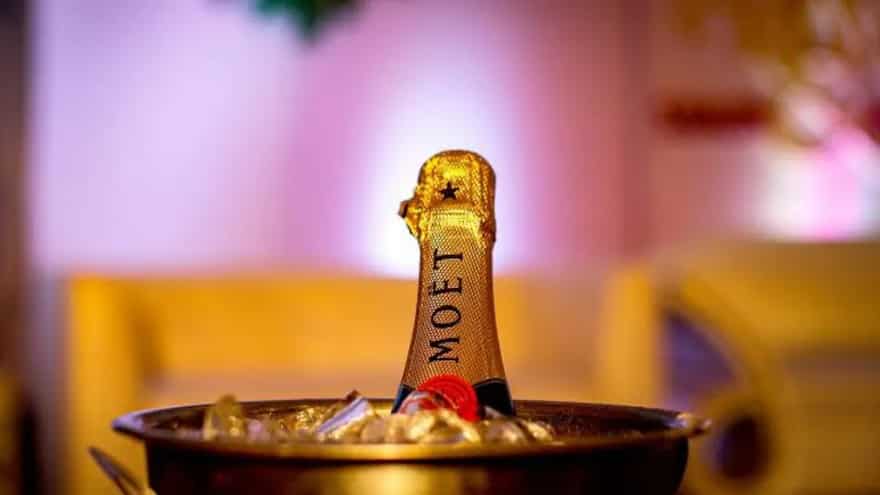
Image credit: Pexels
The Ashes Of Ambition: Russia And The Post-Soviet States
In Russia, the New Year’s toast is a high-stakes performance of manifestation. As the Kremlin clock begins its twelve chimes, revelers participate in a frantic ritual: they write their most fervent wish for the new year on a small scrap of paper. The paper is set on fire using a candle, and the flaming ashes are dropped into a glass of Shampanskoye (Russian sparkling wine). The grey liquid must be consumed before the final chime ends. It is believed that if the glass is finished in time, the universe is bound to fulfil the wish. To the uninitiated, it may taste of charred paper, but to the faithful, it tastes of hope.
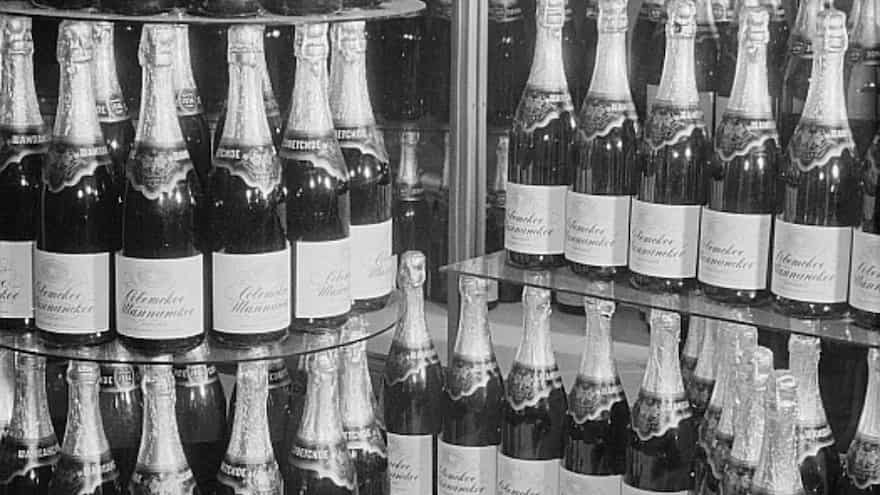
Image credit: Wikipedia
The Black Velvet: A Royal Transition
For a toast steeped in British history, many choose the Black Velvet. Created in 1861 at London’s Brooks’s Club to mark the mourning of Prince Albert, this drink evolved from a funeral libation into a sophisticated New Year’s staple. By pouring chilled Guinness over a base of Champagne, a high-low blend is created that symbolises the transition from the heavy, sombre past (the stout) to a bright, effervescent future (the wine). This combination is often viewed as a way to acknowledge the weight of the previous year while welcoming the lightness of the next.
The Medicinal Start: Japan’s O-toso
In Japan, the first drink of the New Year is centered on spiritual purification. O-toso is a spiced sake steeped with a medicinal powder called tososan. This blend typically includes cinnamon, dried ginger, rhubarb, and sansa (Japanese pepper). It is served in three graduated lacquered cups. The ritual dictates that the youngest family member drinks first, followed by the elders, a symbolic passing of the torch and a collective prayer for longevity. It is said that if one person drinks this, the family will not fall ill; if the whole family drinks it, the village remains healthy.
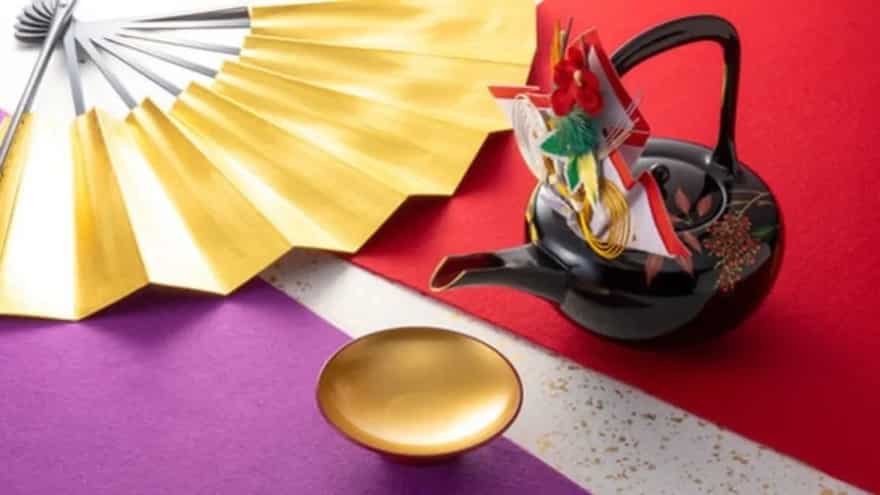
Image credit: Adobe Stock
The Wealth Of The West: Spain’s Gold Cava
In Spain, while the tradition of the Twelve Grapes is famous, the drink used to wash them down carries its own superstitious weight. To ensure financial luck for 2026, a gold object, usually a wedding ring or a gold coin, is dropped into a glass of Cava before the clock strikes twelve. The entire glass must be drained and the item retrieved to make the luck stick. It is believed that if the glass is not finished, wealth will slip through one's fingers in the coming months.
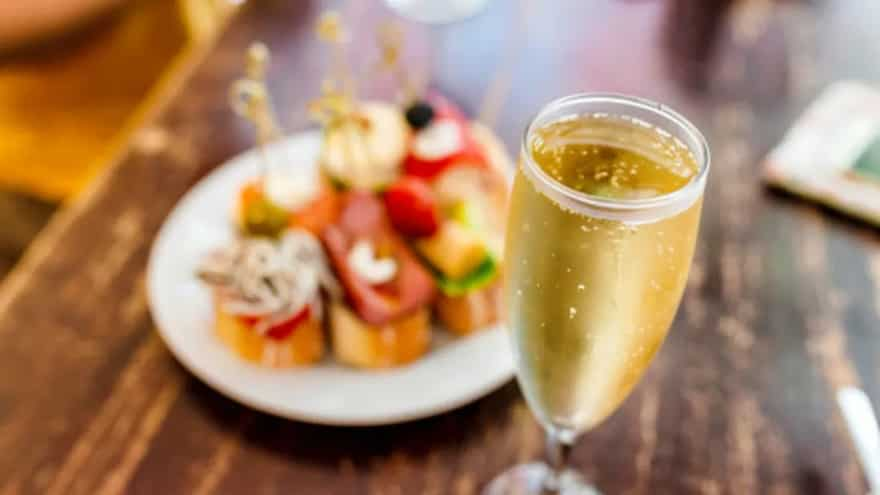
Image credit: Adobe Stock
The Nordic Fire: Aquavit And Glogg
In Scandinavia, the winter companion is often Aquavit, a spirit distilled from grain or potatoes and flavoured with caraway or dill. During the holidays, it is paired with Glogg, a spiced mulled wine that is far more potent than central European versions. In Sweden and Denmark, Glogg is often bolstered with blanched almonds and raisins, then spiked with a heavy pour of brandy or aquavit to ensure it provides a true internal fire against the Arctic chill. The drink is a cultural anchor, consumed during communal gatherings to stave off the seasonal darkness.
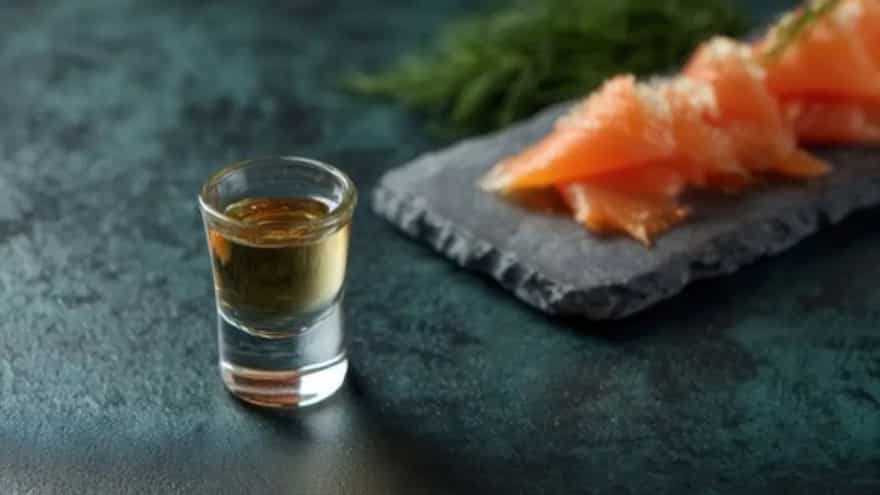
Image credit: Adobe Stock
The Highland Dram: Hogmanay Whisky
In the tradition of Hogmanay, the toast is not just what you drink, but who you drink it with. The "First Foot" is the first person to cross the threshold of a home after midnight. To bring luck, this person should ideally be a tall, dark-haired male carrying a piece of coal, shortbread, and a bottle of Whisky. You do not simply say "cheers"; you offer a "Deoch-an-doris", which is the drink at the door. It is a communal toast to the hospitality of the home and the strength of the community for the year ahead.
The Low-Country Warmth: Advocaat
In the Netherlands and Belgium, the winter months see the return of Advocaat, a rich, custard-like liqueur made from egg yolks, sugar, and brandy. While commercial bottles exist, the traditional winter version is thick enough to be eaten with a spoon. It is a calorie-dense warmer designed to be enjoyed by the fire as North Sea winds batter the coast. This drink serves as a liquid comfort, providing the necessary fortitude to endure the damp, freezing continental winters.
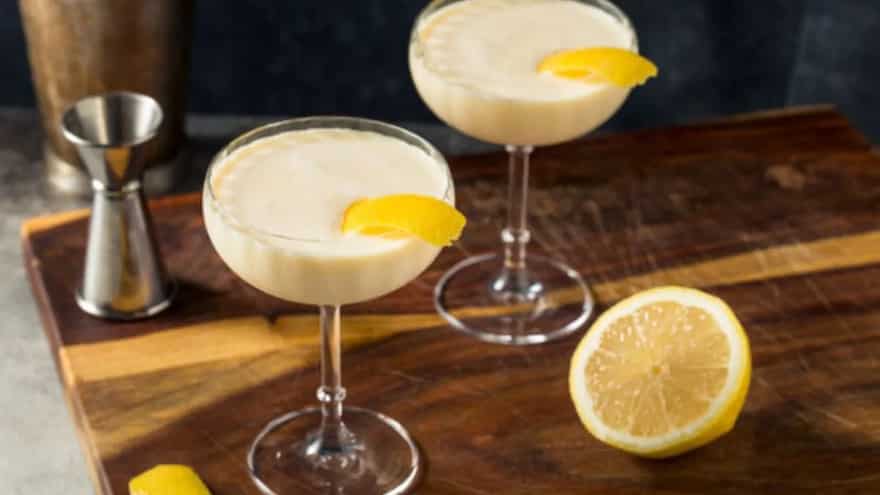
Image credit: Adobe Stock
The Lamb’s Wool: British Isles
An ancient and increasingly rare tradition involves the consumption of Lamb’s Wool. This drink consists of warm ale or cider mixed with sugar, ginger, and nutmeg, topped with roasted apples that burst to create a white, frothy foam resembling wool. Historically consumed on New Year’s Eve or Twelfth Night, it was part of the "wassailing" ritual. Revelers would toast to the health of apple trees to ensure a bountiful harvest, making it a drink of both gratitude and agricultural prophecy.




