


 Share
Share

Growing up in the 90s, pasta held a very specific meaning in my heart, head, and plate – a slurrpy, saucy noodle-like dish in three sauces: red, white, or pink. The introduction to different shapes came with my mom’s basic, comforting masala macaroni. It was all Italian in my head. I can almost sense the curses flowing my way through Italy, but luckily, my pasta palate is well developed now. I’ve sampled the nutty goodness of a well-made pesto, swooned at the buttery richness of an aglio olio, and was more than ready to take on the “pasta festival” pop-up at Select City Walk, Saket, Delhi.
Organised by Toscano, a fine dining Italian restaurant that has been serving authentic, innovative dishes in India since 2008, the festival is a reflection of co-founder Chef Jean Michael’s claim about “the beauty of pasta. You can, really, mix it with anything, make seafood, veg as well as non-veg. That is what I like about working with pasta.”
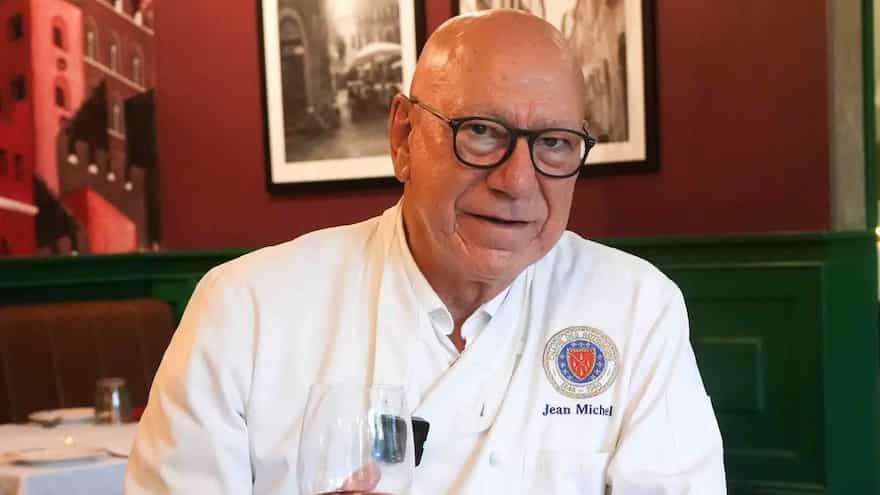 Image Credits: Toscano
Pasta is certainly endlessly adaptable in his world, and the specially designed menu spotlights that with ten dishes (five vegetarian and five non-vegetarian), all a different pasta shape. And not one is spaghetti!
We started the meal with Pasto Zuppa di Orecchiette, Verdure e Fagioli, a rustic soup of vegetables, beans, and a small ear-shaped pasta (Orecchiette). It was the kind of warm starter that you’d expect in a barn - comforting and earthy, with none of the theatrical flair but all of the savoury goodness. The vegetables provided a subtle but delicious crunchy contrast to the soft pasta shells, and the accompanying breadsticks and chickpea bread were simple and classic.
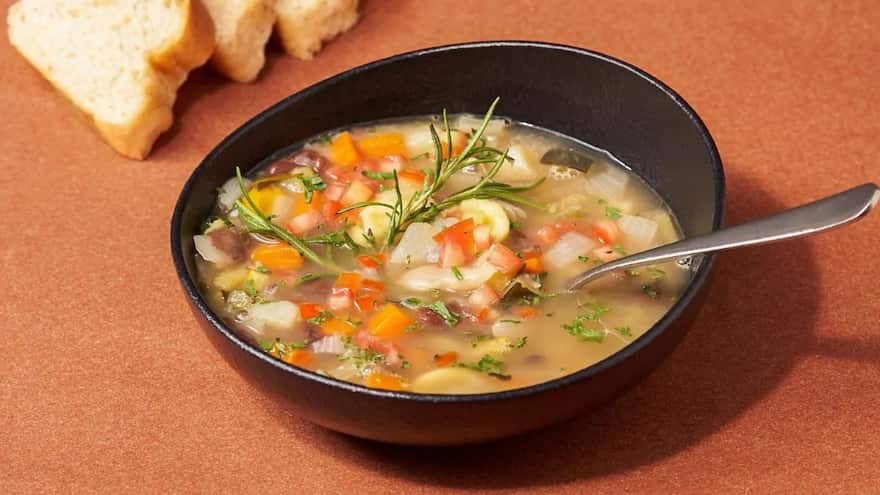 Image Credits: Toscano
The soup set the tone right, and what followed did not disappoint. There was Conchiglie al Forno Ripiene di Spinaci, a baked pasta dish featuring spinach and ricotta-filled giant conchiglie pasta on a plate of pealti tomatoes. The sauce had the kind of freshness you’re more likely to associate with bruschettas and salsas than pasta sauces. The pasta had a hint of chewiness, but it settled with the ricotta.
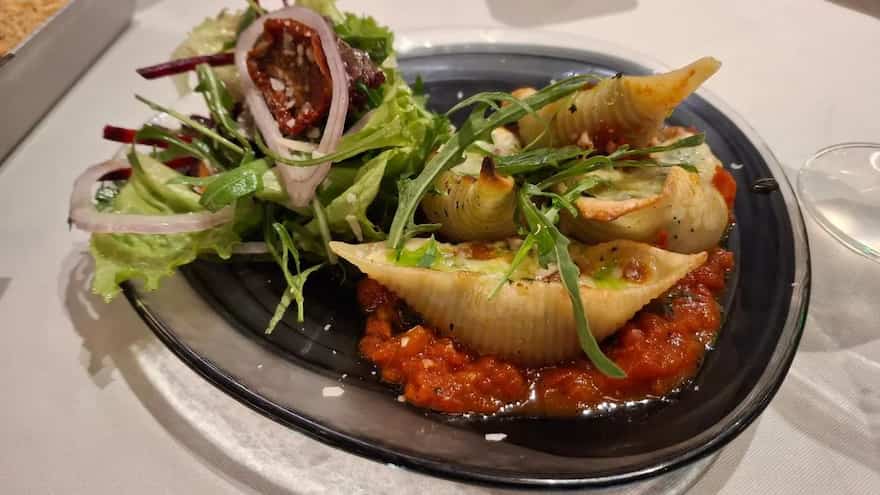 Image Credits: Author
The highlight for me, though, was the next dish, Gnocchi di Ricotta con Noci. The gnocchi was made with semolina instead of potatoes, and that meant it was light enough that you didn’t stop at two. Or even four, but who was really counting. It lay in a light, aromatic sage butter sauce. The sage butter sauce is usually paired with ravioli - the classic pairing works, but the ravioli almost always overshadows the sauce. The gnocchi, in this regard, proved to be a better fit for balancing the flavours.
But ravioli also had its day in the sun, or rather, in a plate of truffle butter. The Agnolotti Funghi con Tartufo featured a mushroom and ricotta-filled ravioli, topped with burrata, roasted hazelnuts, and black truffle. The truffle’s distinct appearance made an impact on the taste and the look, as the tiny pieces stood in a beautiful contrast against the pale pasta. What was especially noteworthy was the stuffing. Who hasn’t experienced a ravioli stuffed to the brim and bursting open before the first bite? But here, the thinly sliced mushroom provided a stable, savoury touch to the ravioli that held its shape, and yet, sliced like melted butter. Chef Michael admits it was the dish that took him the longest to perfect.
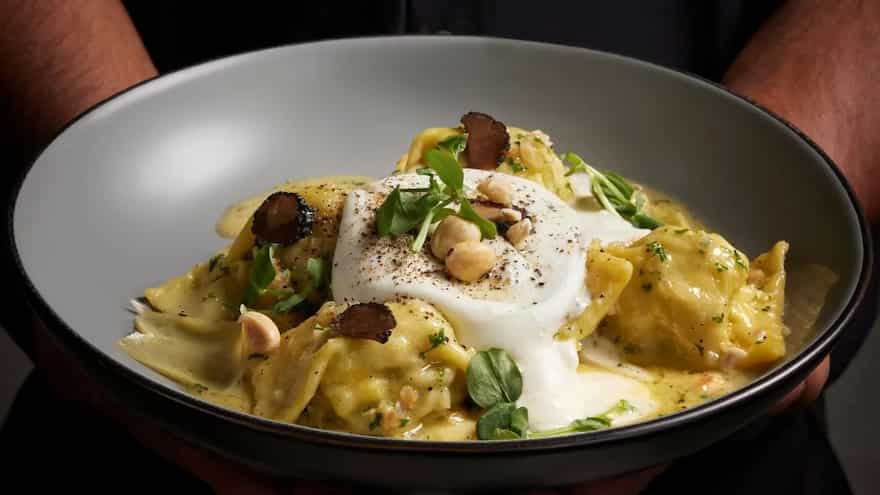
Image Credits: Toscano
The last dish, Trofie al Pesto di Pomodori Secchi con Rucola, included handmade Ligurian trofie pasta in a bed of sun-dried tomato pesto. A garnish of pecorino, roasted almonds and fresh rocket leaves completed the dish. Chef Michael insisted on handmade pastas, which he believes cook faster, better, and land easier on the stomach. I could sense the difference because even after four shared pasta dishes, I ended satisfied, not stuffed. Even as the conversations flew, the pasta may have turned cold, but not clumpy, preserving its quality and balance of flavours.
The secret star, though, was the garnish in every dish. For Chef Michael, it was as important as the sauces and as different as the shapes. In his words, “you won’t find sun-dried tomatoes or olives here, just capers and nuts, to balance the flavours.”
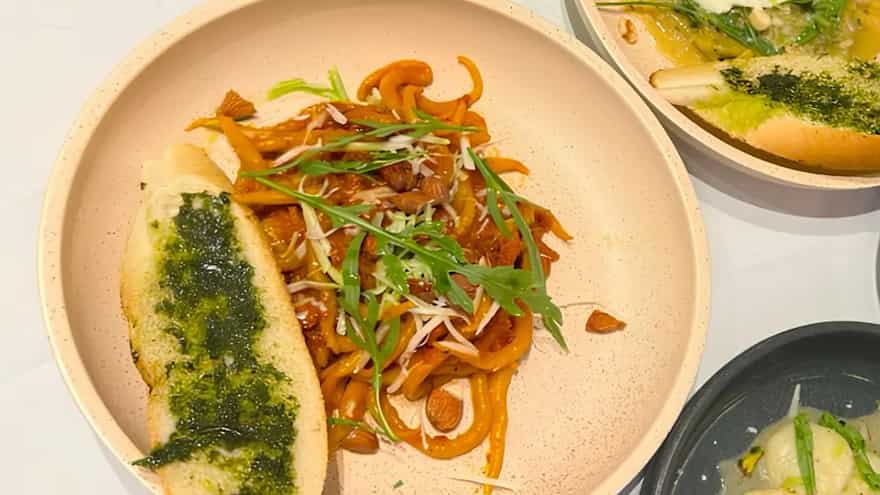 Image Credits: Author
At the end of the meal, there was no doubt - this wasn’t the kind of pasta you’d stumble upon. It’s one you discover, savour, and enjoy. And while the dishes presented didn’t skimp on variety, there was still something more Chef Michael wanted to do: “Squid ink is something I wanted to do here because that’s something really unique. I wanted to introduce squid ink, i.e., the black ink from squid with angel hair pasta, but you can’t do it if you’re not by the sea. For me, I don’t want to do a dish where we do something halfway - either we do it (properly), or we don’t.”
For him, it’s the defining mantra for everything that goes out of the kitchen. It’s why his menus remain focused – in this case, it’s all pasta. In fact, he believes multi-cuisine restaurants are where authentic flavours disappear. Or as he puts it, “if you go to a restaurant with a big menu, that’s wrong. You better change your restaurant.”
This menu isn’t just short in length, but also in duration as the pop-up is live for only five days. After that, Chef Michael will include select dishes in the regular menu as a “special of the day”, and even plans on introducing vegetarian versions of the non-veg fare. For example, the Pappardelle, currently served with slow-cooked duck ragù, could instead be served with sage butter or even pesto.
Because after three decades in the industry, he still wants to keep “doing something new. But I’d like to keep a special of the day on whatever is popular. The staff, chefs, customers – all want that. And they (customers) won’t have to say, ‘Oh, we missed the pasta from the festival.”
The current pop-up will last till July 26, 2026. An average meal (pop-up) costs approx. INR 3,000 for two people.




