


 Share
Share

Indian cuisine is the result of numerous culinary traditions and civilisations that have been passed down through the ages. Despite the fact that each region has its own eating and cooking customs, they all join together to form the vast canopy of Indian cuisine. Mughlai cuisine, to put it simply, is the result of the interplay between the more recent foods and cooking methods and the pre-existing native foods. New dishes from Central Asia, including dried fruits, pilafs, leavened wheat breads, stuffed meat, chicken, and fruits, were introduced to the subcontinent by the Mughals.

Image Credit: Freepik
A classic Mughlai dish is usually meaty and heavily spiced. Cumin, coriander, turmeric, pepper, nutmeg, and ginger are among the other spices utilised. Spices like saffron were utilised to give the food a floral aroma. Desserts from Mughlai cuisine, including panbhatta, gulgula, malida, sharbat, and falooda, are also well-known. But a fascinating turn of events will tell you that mutanjan is a dessert. No, it’s not biryani, nor is it pulao. Here, the Mughals introduced a variety of culinary ideas and customs that enriched the subcontinent's eating and cultural traditions. Mutanjan and mutton biryani have the same decadent heart, yet their souls are very different. Here’s an easy way to remove all the confusion that you’re having. Just read on to know more.
What Is Mutanjan?
The Persian-Arabic term ‘Mutajjan’, which means ‘frying’ or ‘fried in a pan’, is the source of the dish's name. You will trace it back to the Middle East during the Middle Ages if you follow the origins of mutanjan. The recipes prepared in the Indian Subcontinent differ greatly from the Arabic culinary method of combining rice, meat, sugar, and savoury ingredients. Enjoying it is a sensory experience for foodies because of its sweet, savoury, and nutty flavours, which are delightful for all the senses. You can easily get it in Lucknow, Uttar Pradesh, where restaurateurs serve it alongside smoky kebabs, colourful biryani, and creamy kormas. Although its origins are not Awadhi, it is an essential component of Awadhi cuisine today.
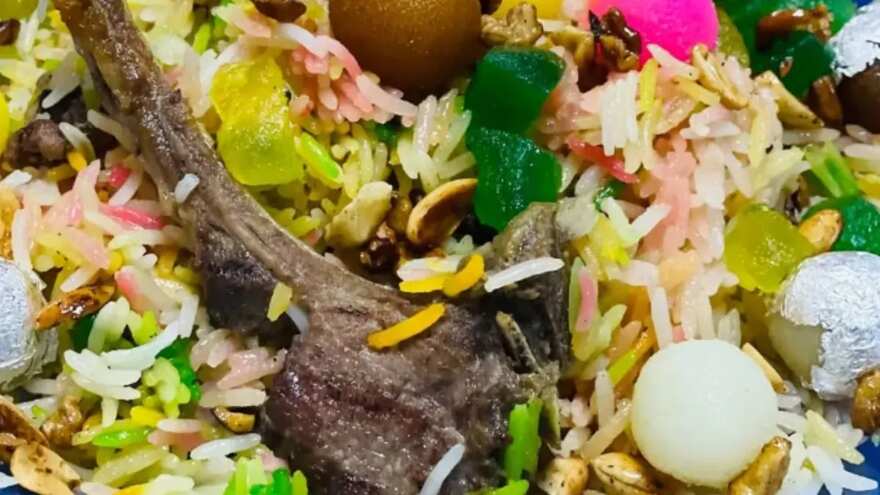
Image Credit: @chef_muneebsaqib/instagram
What Is Biryani?
Since biryani, as you know it now, is a blend of flavours and cooking techniques taken from many parts of the nation, it is difficult to pinpoint its origins. It's safe to claim that the flavourful friendship between Persia and India gave rise to biryani. According to numerous beliefs, biryani was first established as a simple dish to prepare for sizable workforces or armies. It is a very easy and low-labour process. It's reasonable to say that biryani is a relatively easy recipe that cooks utilise to cut down on lengthy and labour-intensive cooking times. Biryani's popularity eventually increased once it was discovered that everyone loved it. It's crucial to use aromatic herbs and spices with buttered onions. Many times, tomatoes are also included to give the biryani its sour flavour. Accessing your layering game is another key to creating the perfect biryani. Layering all the components requires incredible precision. Rice is frequently just partially cooked or left raw when making biryanis. It is then mixed with other ingredients and layered, after which it is properly cooked.

Image Credit: Wikimedia Commons
How Is Mutanjan Different From Biryani?
Saffron gives the grains in mutanjan which appear somewhat deeper in biryani, a soft yellow colour. Mutton, which is luscious and tender, is one of the key ingredients in this recipe. In addition to rice, saffron, and mutton, layer the rice with dry fruits and add milk while the meat is cooking. Dum cooking, a legacy of sweet and savoury aromas held in an earthen pot, elevates the aroma and transforms a common food into a delicacy such as mutanjan. At first glance, it appears to be biryani, and it certainly tastes that way. It is very different from pulao. Mutanjan is a part of festivities and weddings today, but it does not have just one recipe. Everyone makes it in a slightly different way. For Muslims in this region, this dish is extra special as it encapsulates emotions and cultural memories.




