


 Share
Share

Tamil Nadu’s vegetarian curries are built on one of India’s oldest food traditions, where meals are anchored by spiced gravies prepared with tamarind, lentils and coconut rather than cream or butter. They do not require heavy gravies to impress you; instead, they rely on bold spices, souring agents, and freshly ground masalas that create character in every bite. Trying these curries feels like stepping away from the comfort zone of paneer-heavy dishes and onion-tomato bases, and into a cuisine where vegetables are treated as the main attraction, not an afterthought.
For vegetarians, particularly, these dishes are a reminder that simple food can be compelling, full of flavour, and extremely satisfying without being too heavy. When your taste buds get exhausted with the same taste every day, Tamil Nadu curries have the power to bring back the excitement to the table, showing that new flavours do not have to be complex, but just the right spices and tips would also do.
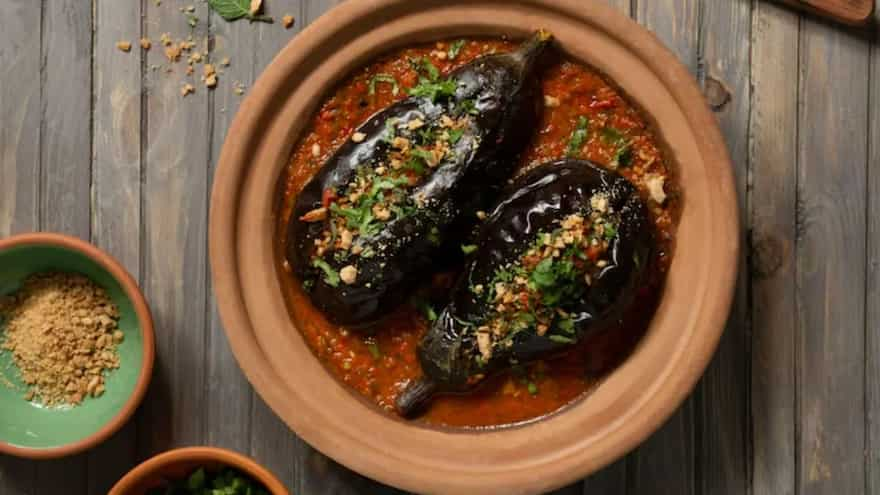
Chettinad Kathirikai Curry
This brinjal curry is bold, peppery, and extremely aromatic, giving the classic Chettinad energy in every bite. Small brinjals are slit and cooked in a freshly ground masala, which is prepared from black pepper, coriander seeds, dry red chillies, and coconut. The curry is thick, a bit coarse, and goes beautifully with rice. Every bite feels spicy, changes into nutty from coconut, and ends with a gentle smokiness. It is not oily, but extremely flavoured, which makes this curry perfect to pair with steamed rice or soft dosas when you want something unapologetically rich and full of flavour.
(Image credit: Freepik)
Mullangi Sambar (Radish Sambar)
Mullangi sambar may come as a surprise to those who try it for the first time. Radish turns soft and a bit sweet as it cooks, losing its sharp tone and absorbing the tangy tamarind broth. The sambar is full of flavour, with toor dal giving it body and a mild creaminess. When tempered with mustard seeds, curry leaves, and a hint of asafoetida or hing, this curry feels light but extremely satisfying. It’s the kind of Tamil dish that you will not find often in restaurants, but will quietly win you over once you have had it, particularly with hot rice and a drizzle of ghee.
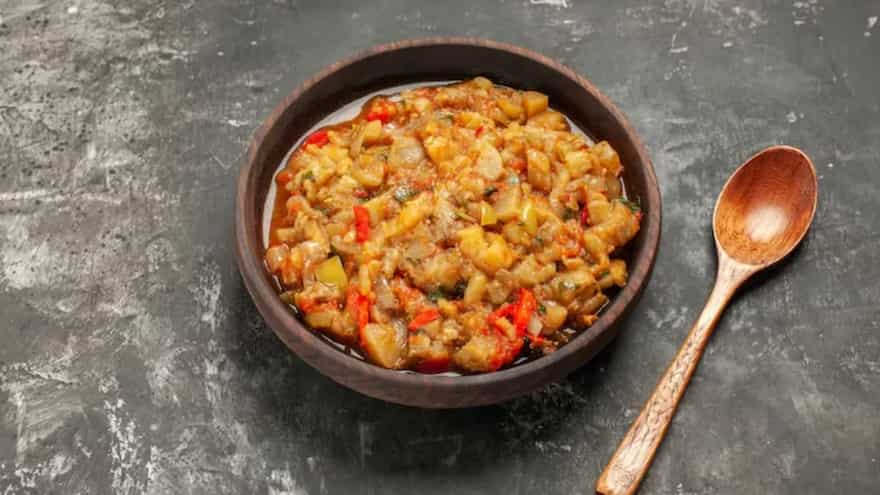
Kootu Curry
Kootu is built around one main vegetable at a time, be it ash gourd, pumpkin, snake gourd, or beans, then slow-cooked with moong dal until soft and comforting. This base is then gently mixed into a smooth paste of coconut, cumin, and green chillies. The result is a lightly spiced, soothing curry with no heavy base or overpowering masala. Its quiet flavours let the vegetable take centre stage, making kootu the perfect balance to sharper, spicier dishes on a South Indian plate and a favourite for its unmistakable home-cooked feel.
(Image credit: Freepik)
Kara Kuzhambu
Bold and fiery, Kara Kuzhambu is for those who like depth and bold flavours in their meals. Tamarind makes a base, whereas garlic, shallots, and spice powders create layers of flavour. It is thicker than the usual sambar, with a spice that gradually builds on the palate even after it has been eaten. Often prepared with vegetables such as drumsticks, brinjals, or okra, this curry tastes even better when eaten the next day as the flavours deepen further.
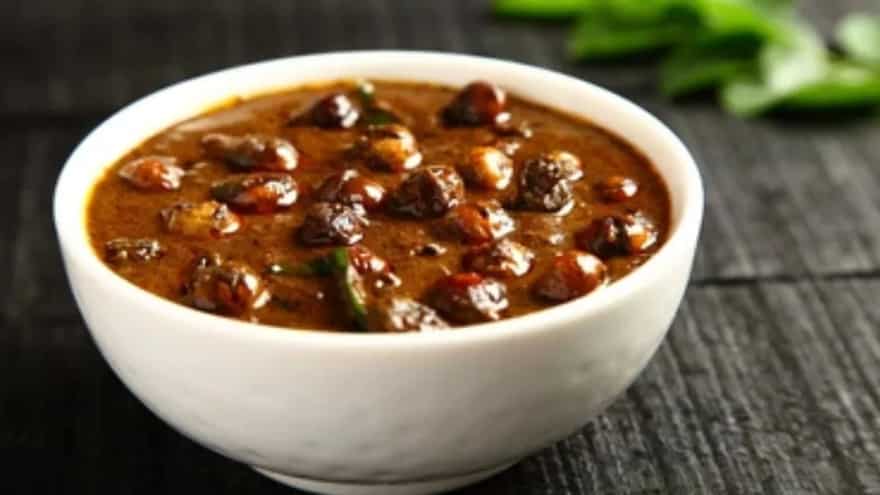
Vatha Kuzhambu
Vatha kuzhambu is a bold, tamarind-forward Tamil curry that is prepared with sun-dried vegetables such as sundakkai, manathakkali, or dried brinjal. The gravy is spicy and slightly tangy, with garlic, shallots, and roasted spices, which gives it depth. Unlike the sambar, it has no dal and has a thicker consistency. It tastes even better the next day, as the flavours deepen, making it a loved comfort curry in particularly during simple, everyday meals.
(Image credit: Freepik)




