


 Share
Share

PROLOGUE
Why do we insist on pairing the macabre with the mouth-watering? It seems a contradiction: the cold finality of murder served alongside the warmth of a fresh scone. Yet, as this guide reveals, the kitchen and the crime scene are inextricably linked.
In the Golden Age of detective fiction, the kitchen was often a place of suspicion — a laboratory for arsenic and strychnine where "death is in the pot". But in the modern mystery, food has evolved from a weapon into a shield. It acts as a "sensory anchor," grounding us in a fictional world that feels safe and familiar, even when a killer is on the loose.
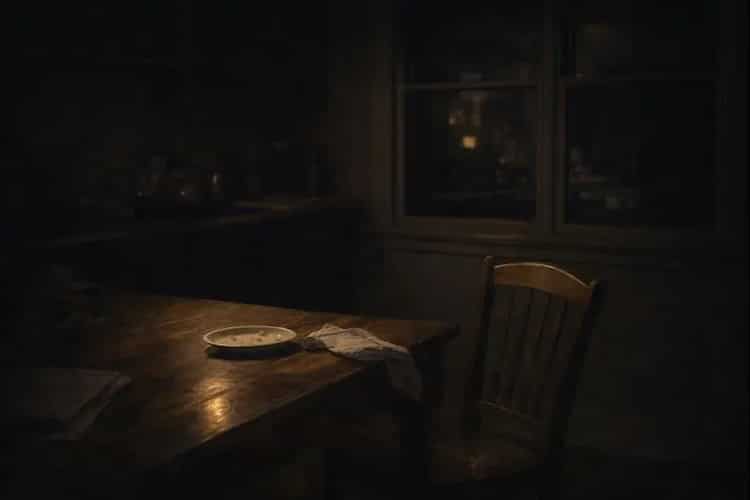
When we read of a detective pausing for a meal, we are witnessing a ritual. The act of eating allows air into the plot, offering respite from chaos and asserting life, reason, and thought. Whether it is taste therapy or buttercream comfort, food restores balance.
THE GASTRONOMIC GUIDE TO CRIME FICTION
Course I: The 'Cosy' Comforts
Light, sweet, and community-focused. These are the "culinary cosies" where recipes are included, and the amateur sleuth is usually a baker or shop owner.
The Hannah Swensen Mysteries by Joanne Fluke
If there is a queen of the "culinary cosy", it is likely Joanne Fluke. Set in Lake Eden, Minnesota, these books follow Hannah Swensen, a red-headed baker who runs 'The Cookie Jar'. The series is practically a cookbook with fiction woven in; it famously includes recipes for the treats mentioned, such as "Chocolate Chip Crunchies". While the premise involves murder, the true draw is the provincial charm and the celebration of sugar and excess—where muffins outshine the macabre.
Signature Dish: The titular Chocolate Chip Cookie.
The Noodle Shop Mysteries by Vivien Chien
Set in a tight-knit Asian community in Cleveland, Ohio, this series centres on Lana Lee, who manages her family’s restaurant, the Ho-Lee Noodle House. The setting is the "Asia Village", a plaza filled with establishments that create a small-town feel within a city. The mouthwatering descriptions of Chinese takeout are constant, yet Lana must balance managing the floor with investigating crimes, such as when a property manager dies after a delivery of shrimp dumplings.
Signature Dish: Dim Sum (specifically dumplings).
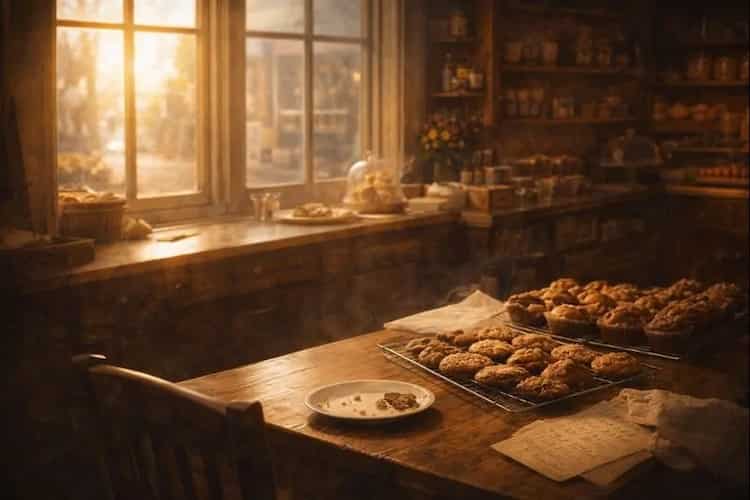
The Tita Rosie’s Kitchen Mysteries by Mia P Manansala
Beginning with Arsenic and Adobo, this series introduces Lila Macapagal, who moves home to recover from a breakup and save her aunt’s failing restaurant. It is described as a "tasty, twisty story" that provides a rich portrayal of Filipino-American food culture. The narrative combines a tight mystery with the warmth of a "nosy auntie network" and extensive descriptions of meals that ground the reader in the family's kitchen.
Signature Dish: Chicken Adobo.
The Cheese Shop Mysteries by Korina Moss
For those who prefer savoury to sweet, this series features Willa Bauer, a cheesemonger who opens a French-inspired shop in the Sonoma Valley. The narrative is packed with cheesy goodness and puns (such as Cheddar Off Dead), and Willa must navigate the local community while clearing her name when a critic is killed.
Signature Dish: A perfectly curated Charcuterie Board.
***
Course II: The Intellectual Gourmands
Sophisticated, traditional, and often European. Here, the detective is a connoisseur, and the meal is a ritual of civilisation.
The Nero Wolfe Mysteries by Rex Stout
Nero Wolfe is the original armchair detective — a man who weighs a "seventh of a ton" and refuses to discuss business while eating. He employs a live-in Swiss chef named Fritz, who prepares extravagant dishes like shad roe mousse. Wolfe acts as a "gourmand of the old-school," preferring high French cuisine, though he occasionally demands respect for American regional cooking, such as Missouri ham.
Signature Dish: Shad Roe Mousse Pocahontas.
The Bruno, Chief of Police by Martin Walker
Set in the Périgord region of France, these novels star Benoît "Bruno" Courrèges. Bruno is a policeman who cooks for friends to celebrate life and community. The books are a love letter to the region's culinary culture, featuring truffles, wild boar, and homemade pâté. It is suggested that for Bruno, dining is a way to assert reason against the chaos of crime.
Signature Dish: Périgord Black Truffle.
The Commissario Brunetti Mysteries by Donna Leon
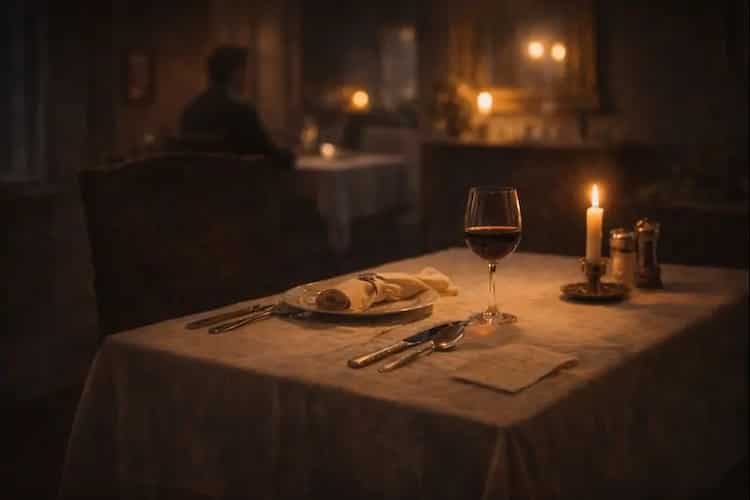
In Venice, Commissario Guido Brunetti finds refuge from the corruption of his city at the dinner table. Whether it is a quick tramezzino at a coffee bar or a family dinner of sausage and aubergine lasagne, the act of eating restores his faith in humanity. The food here serves as a "civilised and nostalgic relief" from the horrors of his work.
Signature Dish: Aubergine Lasagne.
***
Course III: The Psychological & The Sensory
Books where food is a key to memory, a weapon, or a psychological tool.
The Kamogawa Food Detectives by Hisashi Kashiwai
In a marked departure from Western cosies, this Japanese bestseller features a father-daughter duo who run a diner and a detective agency in Kyoto. They do not solve murders; they solve memories. Clients come to them describing a lost dish from their past—such as a specific beef stew from 1957 or a widower's late wife’s udon—and the detectives recreate it to unlock "mysteries of memory and regret". It is described as "taste therapy".
Signature Dish: Mackerel Sushi (recreated from childhood memory).
Butter by Asako Yuzuki
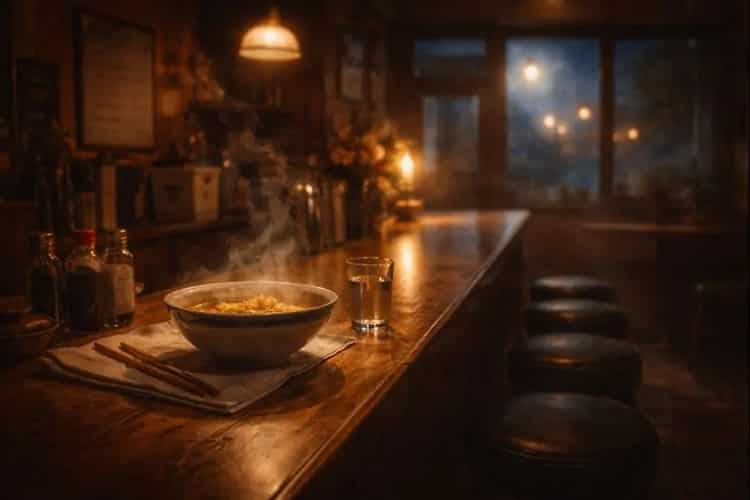
This novel uses food to explore women's place in Japanese society, centring on a suspected serial killer who lures men to their deaths through "gastronomic means". It is a subversive story where a reporter investigates the suspect, and the narrative revels in the sensory and sometimes transgressive pleasure of food, challenging societal expectations.
Signature Dish: Butter (as an indulgent, symbolic ingredient).
Bone in the Throat by Anthony Bourdain
Before he was a television star, chef Anthony Bourdain wrote crime fiction. His debut is set in a cutthroat New York restaurant in Little Italy, where the mob is involved in the kitchen operations. It captures the "frenetic energy" and gritty reality of professional cooking, written by someone who lived the life.
Signature Dish: Restaurant-quality Italian (served with a side of mob violence).
***
Course IV: The Traveller's Table
Mysteries where the location and its specific cuisine are the primary flavour profile.
The Tannie Maria Mysteries by Sally Andrew
Set in the South African Karoo, this series features Tannie Maria, a middle-aged recipe columnist who turns into an agony aunt and then an amateur sleuth. She offers advice that pairs perfectly with her recipes, mixing crime-solving with the creation of dishes like milk tart.
Signature Dish: South African Milk Tart.
The Lalli Mysteries by Kalpana Swaminathan
In this Indian detective series, food serves as a bridge between the public and private spheres. For the detective Lalli and her niece Sita, food is a luxury and an indulgence after a "hard day's grim investigative work".
Signature Dish: Sherry-flavoured Tuna.

A Taste for Vengeance by Martin Walker
While also listed under "Gourmand", this specific title is notable for how it integrates a missing person case with a French culinary vacation. It highlights how the landscape and the produce (wines, cheeses) are inextricable from the mystery itself.
Signature Dish: French Country Cooking.
EPILOGUE
We reach the end of the menu, hopefully with our appetites satisfied and the villains apprehended. These stories are rarely just about the body on the floor. They are about coffee brewing in the background, shared casseroles, and the civilised relief that dining provides.
Justice, like a good meal, is best served with patience. The mystery is solved. The table is cleared. And yet, as every good reader knows — there is always room for just one more bite.




