Share
Share

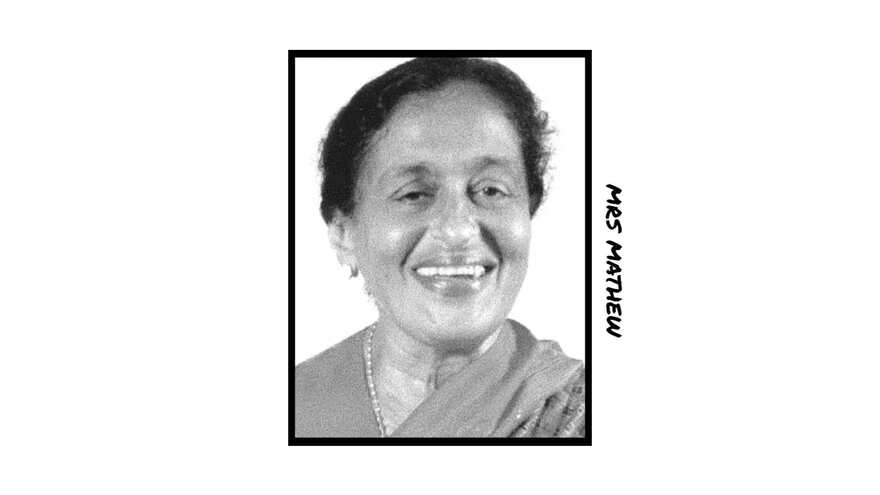
AUTHOR, food columnist, and magazine editor Annamma Mathew (1922-2003), better known as Mrs KM Mathew, wrote more than 20 cookbooks in Malayalam and English over four decades. She built a diverse repertoire of dishes because of the opportunities that life sent her way. Raised by parents who were from Kerala, she spent her childhood in Andhra Pradesh, went to college in Tamil Nadu, and lived in Karnataka and Maharashtra after getting married. While living in Mumbai, she learnt to cook Maharashtrian, north Indian and continental food.
When Mathew passed away, her daughter Thangam Mammen realised that the culinary expert had left behind over a thousand handwritten recipes. Two decades later, their family has come out with a book called Mrs KM Mathew’s Finest Recipes (2023). Released shortly before Onam, it is published by Ebury Press, an imprint of Penguin Random House.
It is divided into 10 sections; one each for snacks, breakfast items, egg dishes, meat dishes, seafood, vegetable dishes, soups, and rice dishes. Some of the desserts are in a section called payasam and puddings. The last section covers jams, pickles, chutneys and chutney powders. The recipes use a simple format. They start with a few lines about the origin or significance of the dish, and include the number of servings, list of ingredients and the method of preparation.
It has a lovingly written foreword from Thangam Mammen, who was born the same year (1955) that her mother published her first book – Pachaka Kala (The Art of Cooking). She writes, “Amma made sure she bought all the ingredients herself and measured them precisely. In the early years, she would use cigarette tins as measuring cups and gradually she accumulated all the paraphernalia, including a mallet from abroad for tenderising the meat.”
The foreword captures the fulfilment that she experienced through cooking and feeding. Her daughter reveals that Mathew had a strong dislike for wasting food. If she spotted any leftovers, she put her creativity to good use and devise new recipes to use them. She did not feel the need to guard her recipes because she thought of food as a sacred gift that deserves to be shared widely. When she sent food to her friends, the recipes often went along. When she was invited to attend weddings, she often landed up with a set of her cookbooks.
Mrs KM Mathew’s Finest Recipes would appeal to people with diverse food preferences and restrictions. It features a mix of elaborate preparations and meals that can be rustled up in a short time. You can learn how to make mango rasam, masala kadala, olan, pineapple pachadi, egg roast, meat stew, pork vindaloo, Malabar fish curry, kanji-payar thoran, veal roast, mushroom biryani, spinach cutlets, lime rice, murukku, or drumstick and bottle gourd soup. If you have a sweet tooth, this book will teach you how to make groundnut chikki, banana jam, tender coconut souffle, parippu payasam, coffee cake and chocolate tart at home.
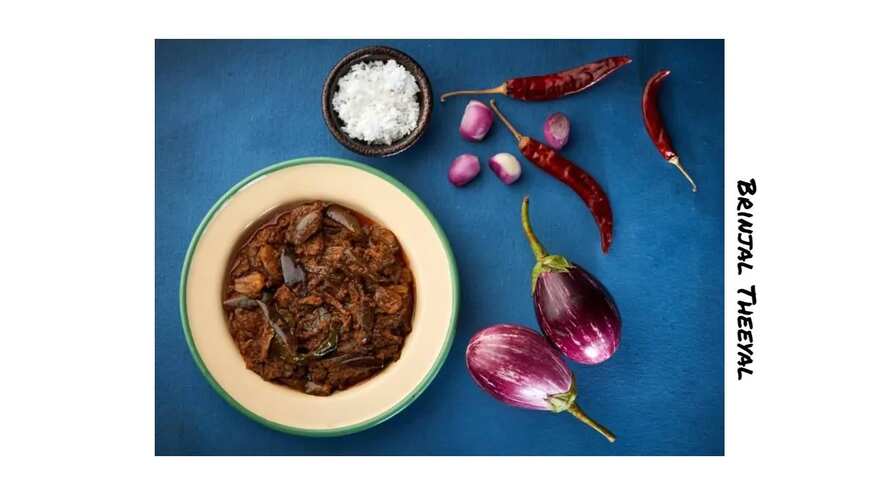
Some of the recipes in this book conclude with notes carrying a personal touch and words of wisdom from Mathew, who must have cooked these dishes several times. She wants readers to learn from her mistakes and avoid them in their own kitchens. It seems as if she is watching over them, kindly but firmly, waiting for them to learn the ropes from her.
The recipe for achappams, which are described as “sweet and crispy deep-fried cookies made with rice flour and coconut milk” is accompanied by this note: “Excess sugar in the batter will make the achappam stick to the mould.” The recipe for sharkarapuratti, a snack made using raw bananas, jaggery, rice flour and other ingredients, comes with a note that says: “Use only mature but unripe bananas to make the chips.” The pickle recipes have elaborate instructions about how to store them, and what containers to use, so that they do not spoil.
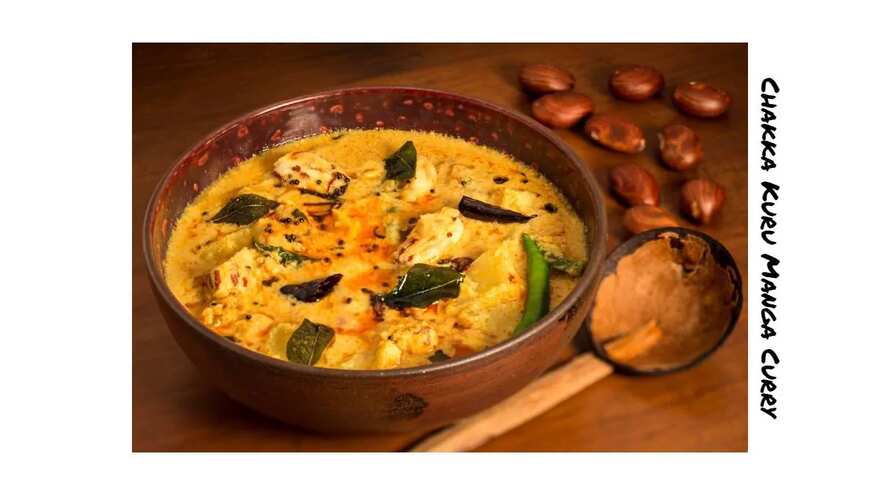
Readers who are unfamiliar with specific cultural contexts can pick up tips on how and when to serve certain dishes. The book points out that kadala curry, which is a staple in Malayali homes, can be served with puttu or pooris for breakfast, with rice for lunch, and with chapatis for dinner. This information would also be helpful for people who lead busy lives, like to cook in bulk, and want to consume the same food over several meals but in different ways.
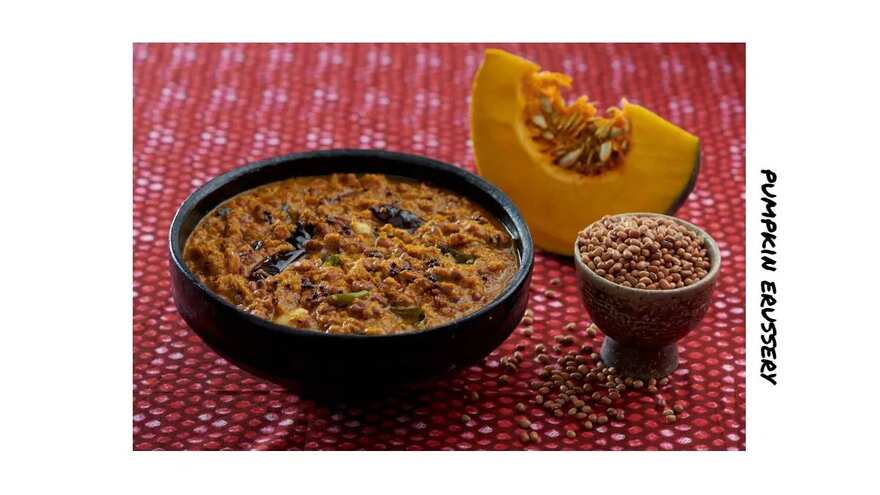
In a nutshell, this book is a repository of recipes from one of Kerala’s most popular culinary artists who enjoyed traditional and experimental dishes. She learnt from her mother, friends, neighbours, professional chefs, and devised recipes of her own. By publishing this collection, her family has paid a fitting tribute. Sumanth Kumar AR, whose photographs are part of the book, also deserves credit for showing us what the food looks like when it is ready to eat.
Chintan Girish Modi is @chintanwriting on Instagram and X