


 Share
Share

A mother’s day starts earlier than you can imagine. From planning what to cook, packing tiffins while serving breakfast, to ensuring everyone’s dietary needs are met, most mothers then eat whatever is left as almost an afterthought. This is the case for most Indian mothers, every day, not as an occasional compromise. And while you might scroll through recipes to make something special for mum this Mother’s Day, what she actually needs is proper nutrition.
The question you should sit with is: Who is feeding the person who has been cooking for you her entire life? And more importantly, is her body getting what it needs? To get a handle on diet and deficiencies commonly seen in women, Slurrp interviewed Dr Rohini Patil, a nutritionist and dietitian. Read on this exclusive interview, know more about what your mother needs and don’t let her compromise on another meal.
Eating Last And Prominent Nutritional Deficiencies In Mothers
After serving the hot and fluffy phulkas to everyone, it is a common sight in an Indian household for a mother to eat chapatis from the casserole or leftovers from the previous day. While eating last might not seem like a problem, it is one of the leading causes of your mother's poor nutrition.
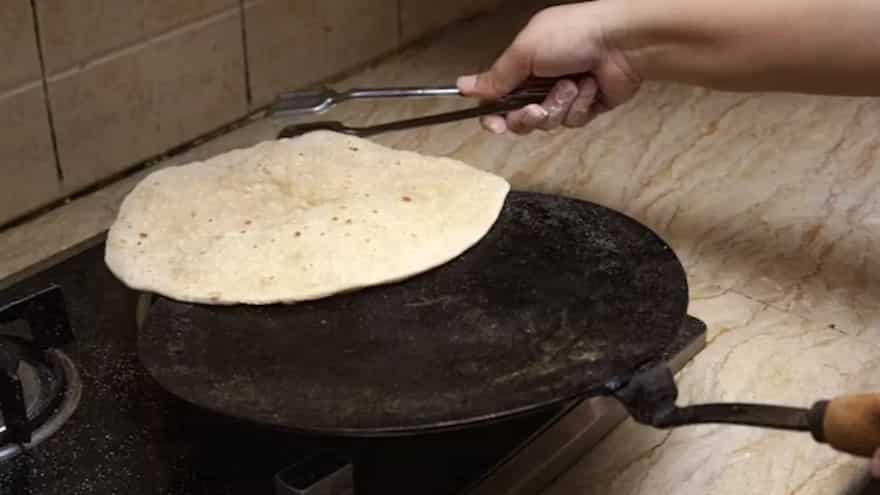
Image Credit: Unsplash
Among the common deficiencies, Dr Patil observes that iron, calcium, vitamin B12, and vitamin D are lacking in most mothers. “Women in their 20s and 30s commonly present with iron and B12 deficiencies due to menstrual losses and dietary patterns,” she says. “As women enter their 40s and beyond, calcium and vitamin D deficiencies become more common, increasing the risk of bone-related concerns.”
The Ever-Changing Body Of A Mother And Her Nutritional Requirements
A woman's nutritional needs are not fixed. They shift dramatically across the arc of her life, and the tragedy, Dr Patil notes, is that these shifts are rarely met with an equivalent adjustment in how she eats or cares for herself.
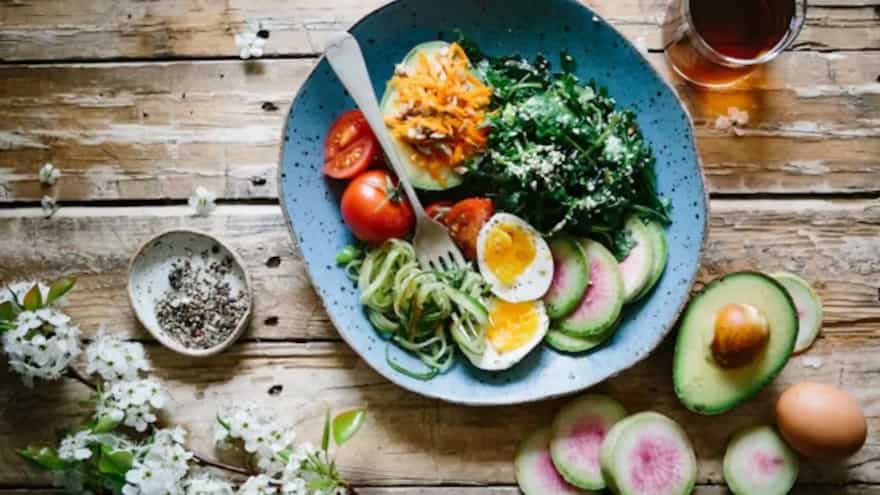
Image Credit: Unsplash
During the reproductive years, iron and protein are essential to support metabolic demands and compensate for monthly losses. Pregnancy escalates this further: folate, iron, calcium, and protein all become even more important, and the body's reserves are drawn upon heavily to support the new life.
But what happens after? "Pregnancy and breastfeeding place a high demand on the body's nutrient stores," Dr Rohini explains. "If these are not replenished adequately, women may experience fatigue, hair fall, and reduced immunity." For many new mothers navigating sleepless nights and a newborn's relentless demands, their own recovery becomes the last item on the list.
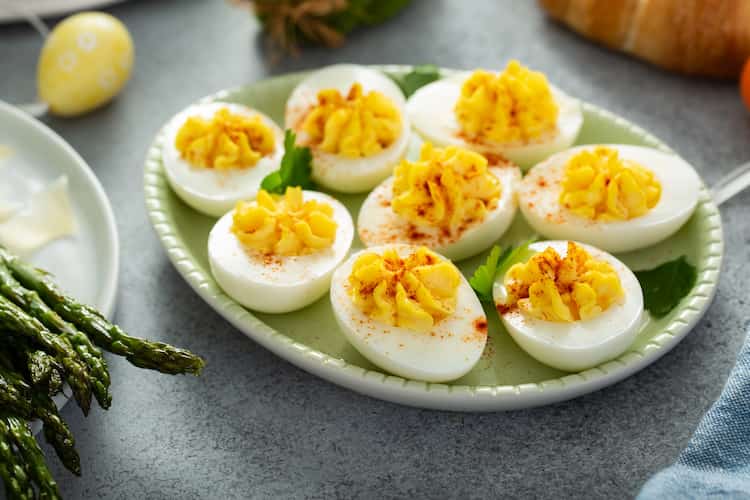
Image Credit: Adobe Stock
Then comes perimenopause and menopause, which is still a hush-hush topic in India. But this is one of the hardest phases your mother might be going through, that too, silently. The hormonal changes will require more protein, calcium, and vitamin D.
The Role Of Fad Diets And Beauty Standards
As if the cultural norm of eating last wasn’t enough, women often fall victim to the unrealistic beauty standards. From fad diets to viral wellness trends, eliminating carbs from the diet immediately affects the vitamin B intake. Also, cutting dairy implies a loss of calcium. And skipping meals has to be the worst of all. "While short-term goals may be achieved," Dr Patil cautions, "they often come at the cost of long-term health."
How To Fix? Making The Most Of Indian Ingredients
The good news is that your mother doesn’t have to go above and beyond to fix her nutrition. The solutions are sitting in an ordinary Indian pantry, perhaps waiting to be rediscovered. Here are some Indian ingredients recommended by Dr Patil that mothers should include in their diet:
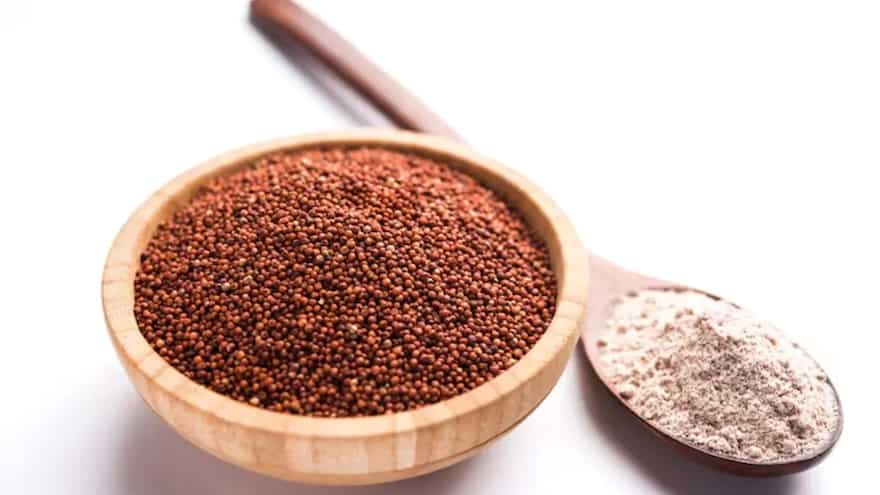
Image Credit: Freepik
- Ragi: A rich source of plant-based calcium
- Sesame seeds: Rich in iron and healthy fats
- Amaranth, also known as rajgira: High protein and magnesium content
- Moringa: High in iron and vitamin C, and can be easily added to dals
- Millet rotis: For a strong base of protein, iron, and folate
Mother’s Day Special: Meal Changes To Take Her Best Care
When asked about what every Indian woman should alter in their meal, Dr Patil just advised three key pointers:
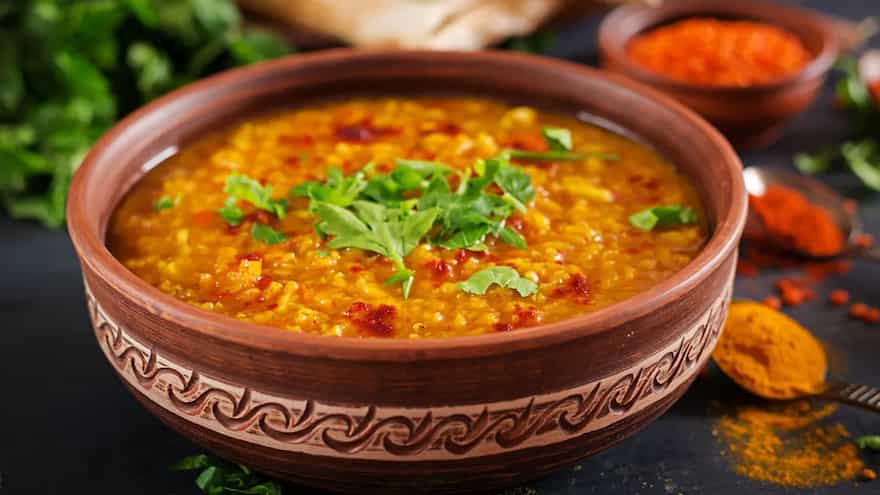
- Put protein on every plate. Be it aal, paneer, eggs, curd or nuts, adding a source of protein at every meal supports metabolism, muscle health, and satiety.
- Consciously include iron and B12, and consider supplementation. Don't leave it to chance. Green leafy vegetables and diverse dals for iron; dairy and eggs for B12; and a conversation with a doctor about whether supplementation is needed.
- Eat regularly and eat first. Regular, well-balanced meals support energy, hormonal balance, and better nutrient utilisation. And if there is one Mother's Day resolution worth making: stop eating last.




