


 Share
Share

Monsoon has a way of making restaurants as well as food feel compelling. A plate of hot, crispy pakoras, steaming hot momos or spicy chaat can feel like just what a rainy evening calls for. Along with all the love for food, the season also changes the food-safety equation as well. Regular rain, humidity and fluctuating temperatures can make hygiene and food handling more essential when eating outdoors.
It is not that every street-side snack or restaurant meal becomes unsafe to eat during the rains; instead, foods that have raw ingredients, standing moisture, repeated reheating or poor temperature control need a little extra attention.
WHO's basic food-safety direction focuses on five things: keeping food and surfaces clean, dividing raw and cooked foods, cooking thoroughly, maintaining safe temperatures, and using safe water and raw materials. So, when ordering or dining out during the monsoon, it is essential to look beyond how compelling the food appears to be.
Why Does Monsoon Need Extra Food Safety Care?
Rainy weather often means higher humidity and more chances for contamination if food is not kept, cooked or served adequately. Water and raw ingredients can also become risks when hygiene standards take a dip. More significantly, you cannot judge food safety just by its smell or the appearance alone; harmful microorganisms may not alter the way food looks or tastes. This is why some most-loved rainy-day foods deserve a closer look before you take a bite.
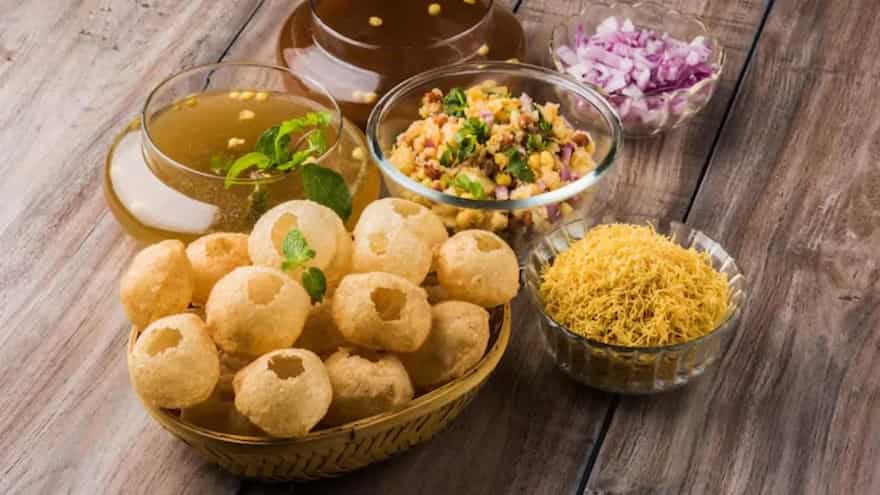
Street-Style Chaat And Pani Puri
The real problem with chaat is often not the puri or that potato filling but usually the water that is used. During monsoon, you need to be more careful if the source of drinking water at the stall is questionable or the chutneys and fillings are placed uncovered for a longer duration. WHO states that water and ice can harbour harmful microorganisms, whereas raw foods can turn out to be contaminated through the handling process.
If at all you want to eat out, look for stalls where the dishes are kept covered, serving utensils are clean and fresh batches are made on a regular basis. If that pani for the pani puri has been sitting out for long hours or the setup looks exposed to rain, dust or the traffic, go for something that is freshly cooked rather.
(Image credit: Freepik)
Cut Fruits And Fresh Fruit Juices
That bright, colourful plate of cut fruit may appear to be the healthiest thing to have, but washing water, knives, the chopping boards and the handling all matter just as much as the fruit itself. WHO suggests using safe water and washing produce, especially when it is consumed raw. During the monsoon season, it is best to avoid fruit that has been pre-cut or has been left uncovered for a long duration.
Check thoroughly if the vendor has cut the fruit fresh and is kept protected from flies and roadside dust. For juices, freshly squeezed should be preferred to a drink that is made from fruit pulp or cut fruit that has been sitting at room temperature for a long time.
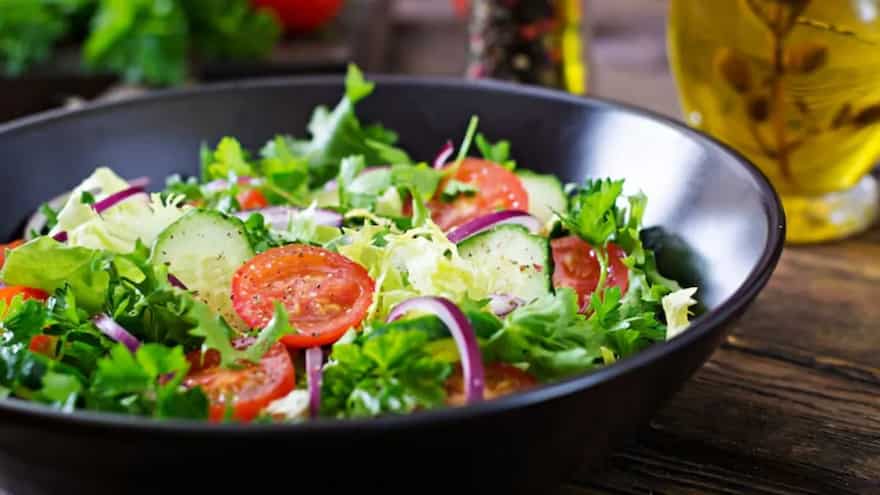
Raw Salads And Uncooked Garnishes
That complimentary bowl of onion, cucumber, tomato and carrot may seem harmless, but raw foods involve no final cooking method to lower the contamination. WHO specifically advises separating raw and cooked foods and using safe water for the ingredients that are eaten without any further cooking. During the monsoon especially, examine how the salad is being stored before eating it.
Is it chilled and covered, or is it left on the kitchen counter for long hours? Is the restaurant using clean utensils in place of repeatedly handling the vegetables? If you are not sure about the water and hygiene measures, skipping raw salad and picking a freshly cooked vegetable side is the safer option.
(Image credit: Freepik)
Chicken, Kebabs And Other Cooked Meat
Grilled chicken, kebabs and biryani do not automatically become unsafe during the monsoon season, but temperature control and thorough cooking become particularly significant. Raw meat can have harmful microorganisms, and cross-contamination can take place when raw and cooked foods share a base or the utensils.
It is recommended to cook meat and poultry thoroughly, with food reaching around 70°C to lower the risk from harmful microorganisms. When eating out, pick meat that comes properly hot rather than just lukewarm. Be extremely cautious with dishes that seem to have been cooked before and then are reheated repeatedly. Freshly prepared, piping-hot dishes should be the choice.
Creamy Desserts, Dairy Sweets And Cold Foods
Milk-based desserts, cream-filled pastries, custards and other chilled foods need proper refrigeration, as cooling slows microbial growth but does not make food safe. WHO suggests prompt refrigeration of perishable food items and states that refrigeration does not fully stop bacterial growth.
When ordering these foods during monsoon, check if they are stored in a suitably chilled display rather than just sitting outside. Avoid desserts that appear to be watery, separated or are unusually soft, particularly if they are supposed to be cold. Also look at the freshness information on packaged dairy products and avoid anything past its expiry or use-by date.
The Simple Monsoon Rule
You do not have to stop eating out totally every time it rains. Rather, pay close attention to how food is stored, cooked, covered and also served. A busy kitchen that has freshly cooked food, clean serving tools and proper refrigeration is a better symbol than a spotless-looking plate alone.
FSSAI's Hygiene Rating initiative also encourages consumers to make informed choices depending on food-hygiene practices at the food businesses. During monsoon, the smartest demand is often the simplest one: freshly cooked, served hot, handled well and prepared with ingredients you can trust thoroughly.




