


 Share
Share

If you have been attempting to cut down on sugar, you would probably have come across a name, "monk fruit", as a sweetener option. Unlike regular sugar, monk fruit does not come from cane or beet, but it is derived from a small green melon that is native to southern China, also known as luo han guo. What makes monk fruit unique is that its sweetness does not come from any natural sugars such as fructose, but from compounds called mogrosides, which are extremely sweet but also calorie-free.
Because of this reason, monk fruit does not spike blood sugar levels, which makes it extremely popular among people who are looking to manage diabetes or follow low-carb diets. It’s often sold as a powder or mixed with other sweeteners to balance the taste and texture. But although it is gaining popularity, it’s still less regularly heard of in Indian kitchens compared to alternatives like jaggery, honey, or stevia.
To know where monk fruit fits in perfectly, here is a comparison of it with other natural sugar alternatives, not just in terms of sweetness, but also how they behave in day-to-day cooking.
Monk Fruit VS Jaggery (Gur)
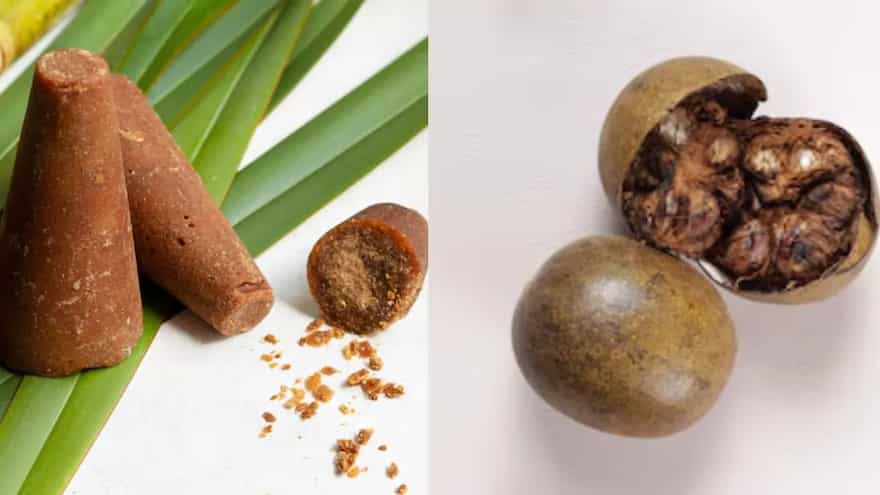
Jaggery is deeply embedded in Indian cooking and is often referred to as a “more nutritious” option to sugar. While it does have some minerals, such as iron, it is still high in calories and can affect blood sugar levels. Monk fruit, on the other hand, is calorie-free and also does not cause glucose spikes. However, jaggery gives a rich, caramel-like flavour that monk fruit cannot imitate. In everyday use, monk fruit works better in beverages, or even in light desserts where sweetness is required without changing the flavour too much, whereas jaggery remains better suited for classic recipes where taste and texture are the main.
(Image credit: Freepik)
Monk Fruit VS Honey
Honey is often linked with natural recovery and is widely used in home treatments and desserts. It has antibacterial properties, but it is still a form of sugar that has calories. Monk fruit gives sweetness without having concerns, making it more convenient for those who monitor sugar intake. However, honey also adds viscosity and adds depth to dishes, which monk fruit often lacks. When substituting, monk fruit works best in teas, coffee, or even smoothies, whereas honey is better to use in recipes where its texture and taste, like in marinades or desserts, play a crucial role.
Monk Fruit VS Stevia
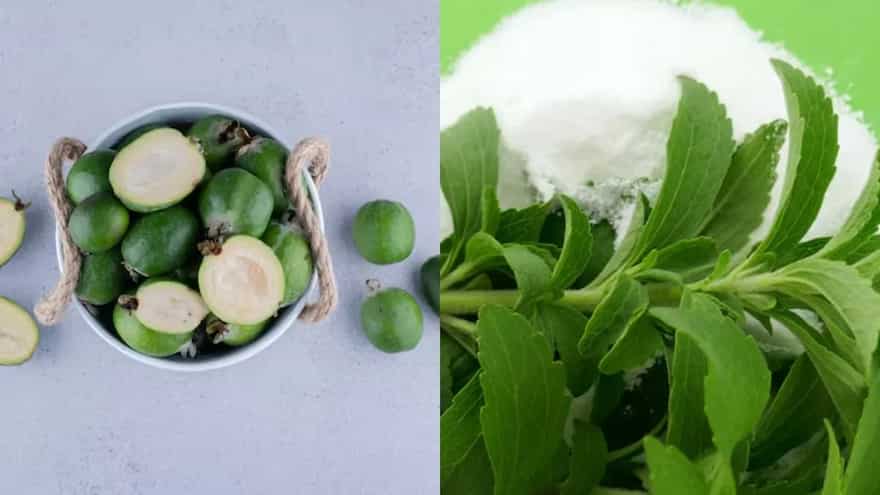
Stevia and monk fruit are often clubbed because both of them are plant-based and are calorie-free. However, stevia can often leave a slightly bitter aftertaste, which not everyone likes. Monk fruit is typically smoother and also much closer to sugar in taste, though it can still vary depending on the brand. In terms of use, both can work well in beverages and also in light desserts. Monk fruit may feel more balanced in terms of flavour, while stevia is more widely available and more reasonable. Picking between them usually narrows down to taste preference rather than just functionality.
(Image credit: Freepik)
Monk Fruit VS Coconut Sugar
Coconut sugar is marketed as a low-glycaemic option, but it still has calories and impacts blood sugar, just at a slower rate than regular sugar. It has a light caramel flavour that is similar to brown sugar, which makes it suitable for baking. Monk fruit, on the other hand, has no calories but also does not contribute to texture or browning in the same way. If you are baking something that depends on structure, coconut sugar may be a better option. Monk fruit is more suited for sweetening without adding bulk, particularly in drinks or in simple desserts.
Monk Fruit VS Dates
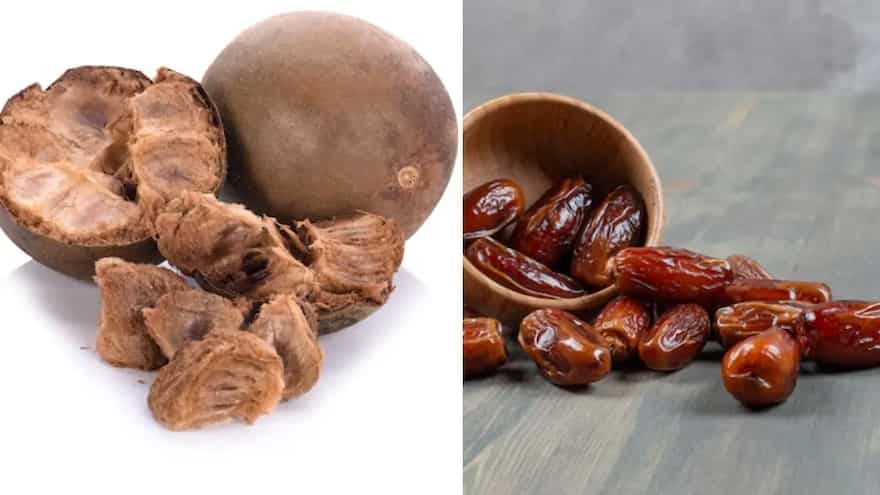
Dates are often used as a natural sweetener in smoothies, energy bars, and also in desserts, in place of sugar. They provide fibre, minerals, and a rich, sweet taste, but they also have high natural sugars. Monk fruit gives a completely calorie-free option, but without the body or texture that dates can give. If a recipe relies on thickness, like date-based laddoos or smoothies, monk fruit won’t be a natural replacement. Instead, it works better in recipes where only sweetness is required, not structure or bulk.
(Image credit: Freepik)




