


 Share
Share

As mercury continues to rise across many parts of India, heatwaves are becoming much harder on the body to bear. Fatigue, dehydration, headaches, dizziness, stomach discomfort, and loss of appetite often occur during the peak summer season, particularly during periods such as Nautapa when dry heat heightens sharply. This is precisely why the Ministry of Ayush has released seasonal advisories around hydration, eating habits, and everyday routines during intense summer heat.
The Ministry of Ayush, which focuses on traditional Indian systems of wellness such as Ayurveda, Yoga, Unani, Siddha, and Homoeopathy, often incorporates modern heat-safety concerns with long-standing Indian dietary rules. Many of the foods suggested in these advisories are ingredients that are already deeply rooted in Indian summer eating traditions.
The bigger idea behind these guidelines is not to simply “drink more water”. Summer eating in Ayurveda concentrates laboriously on how to prevent exhaustion, maintain hydration gradually throughout the day, and avoid foods that raise body heat unnecessarily. Many households across India have followed these habits for generations, long before the term “heatwave diet” became familiar.
Chaas And Thin Buttermilk
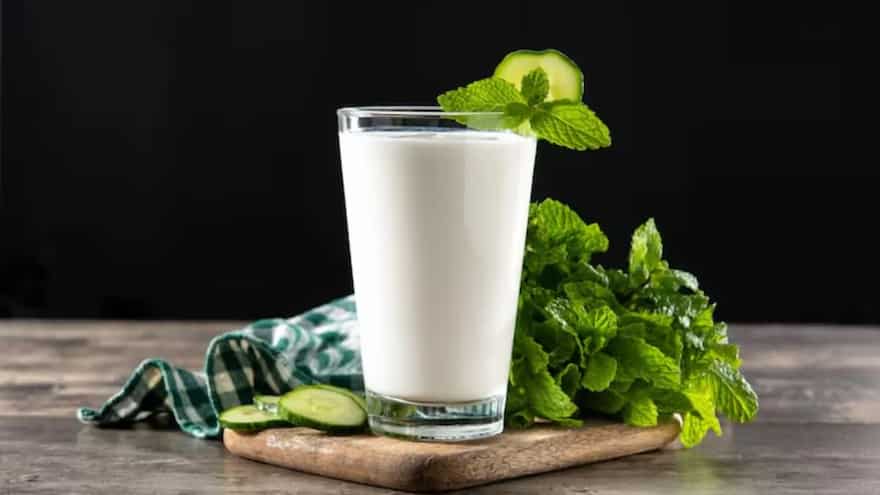
One of the most invariably recommended summer drinks during traditional summer diets is the chaas, or the thin buttermilk. Unlike the sugary cold drinks that may temporarily cool down the mouth but leave the body feeling heavy afterwards, chaas keeps the hydration in check while also helping in digestion during the hot season. The Ministry of Ayush suggests lighter meals and cooling drinks during the summer season because digestion naturally becomes slow in intense heat.
Lightly spiced chaas with roasted cumin, mint, black salt, or curry leaves feels particularly effective during afternoons when the appetite tends to decline. In many Indian homes, buttermilk is also chosen after lunch because it prevents the discomfiting heaviness that is common during the summer season.
(Image credit: Freepik)
Sattu Drinks
Sattu flour has remained one of India’s smartest classic summer foods for ages, particularly across the region of Bihar, Jharkhand, and the eastern part of Uttar Pradesh. Prepared using roasted gram flour or sattu flour mixed with water, lemon, cumin, and black salt, sattu drinks help in replenishing energy without making the stomach feel too heavy.
What makes sattu particularly useful during intense heat is its balance. It feels filling, cooling, but not too cold. The advisories encourage foods that restore the electrolytes more naturally while avoiding too much sugar. Labourers, farmers, and travellers often depended on it for generations precisely because it helps the body tolerate long hours in dry heat more nicely.
Bael Sharbat
Bael fruit has long been linked with summer cooling in Ayurveda because of how gently it works on the stomach during severe summer heat. Bael sharbat is particularly prepared by mixing bael pulp with chilled water and a little sweetener, making a drink that feels earthy, a bit sweet, and also intensely refreshing.
Unlike heavily carbonated drinks, bael does not shake the body with extreme coldness. Rather than, it cools slowly while also helping in digestion, which often becomes unstable during heatwaves. In many North Indian households, bael drinks return during peak summer because they help with dehydration, exhaustion of heta, and stomach discomfort, which is caused by extreme temperatures.
Coconut Water And Water-Rich Fruits
Ayush guidelines often emphasise the importance of keeping fluid balance naturally throughout the day rather than waiting until the dehydration becomes unbearable. This is why coconut water and water-rich fruits become particularly important during the summer season.
Tender coconut water has natural electrolytes and feels lighter than packaged energy drinks, which are loaded with sugar. Similarly, fruits such as watermelon, muskmelon, cucumber, and oranges help improve hydration while also being easy to digest in the hot summer season.
Interestingly, the traditional Indian summer diet has rarely relied only on plain water. Hydration often came through foods as well, like curd, fruits, soaked rice, thin dals, chaas, and also fresh seasonal drinks.

(Image credit: Freepik)
Curd Rice And Fermented Rice Meals
Another classic recommendation that aligns with Ayush-style summer eating is fermented or curd-based rice meals. Dishes such as curd rice, pazhaya sadam, pakhala, and panta bhat are prepared to cool the body while keeping meals simple and easy on the stomach.
Fermented rice dishes also help in maintaining the moisture and feel particularly comforting when heavy gravies become difficult to eat. Rather than rich spice-heavy lunches, these meals keep the stomach cool, and the body feels less exhausted.




