


 Share
Share

The rolling hills of Meghalaya are currently painted in shades of vibrant red as the Government of Meghalaya officially opens the doors to the Meghalaya Strawberry Festival 2026 as the state celebrates its annual bounty. This multi-hub celebration is set to run through the peak harvest weeks, offering a rare look into the state’s thriving horticultural success through a series of interactive events. The programming for this year has been meticulously planned to ensure that visitors are not just passive observers but active participants in the harvest. Daily schedules typically begin in the mid-morning when the dew has settled, opening with guided farm visits where growers explain the nuances of temperate fruit cultivation in a subtropical region. One of the primary draws is the strawberry picking sessions, where families and tourists can walk through the rows of plants and select the ripest fruit themselves. These sessions are paired with curated tasting stalls where the subtle flavour differences between various local hybrids are showcased.
A Journey Of Growth From 1988 To Today
The history of strawberry cultivation in this region is a remarkable tale of persistence and vision. It began in 1988 in the small village of Sohliya with a humble introduction of just 50 saplings. For years, the crop remained a niche experiment, limited to a handful of dedicated growers. However, the turning point arrived in 2004 with the introduction of modern drip irrigation systems and sustained institutional support from the state government. This technological shift allowed farmers to manage water resources efficiently in the hilly terrain, leading to a steady increase in both quality and quantity. Fast forward to 2026, and the scale of production has reached impressive heights. Meghalaya now produces approximately 1,200 metric tonnes of strawberries every year. What was once a small experiment in one village has now spread to over 250 villages across the state. Currently, more than 4,000 farmers are actively engaged in strawberry cultivation, making it one of the most successful high value crop interventions in Northeast India.
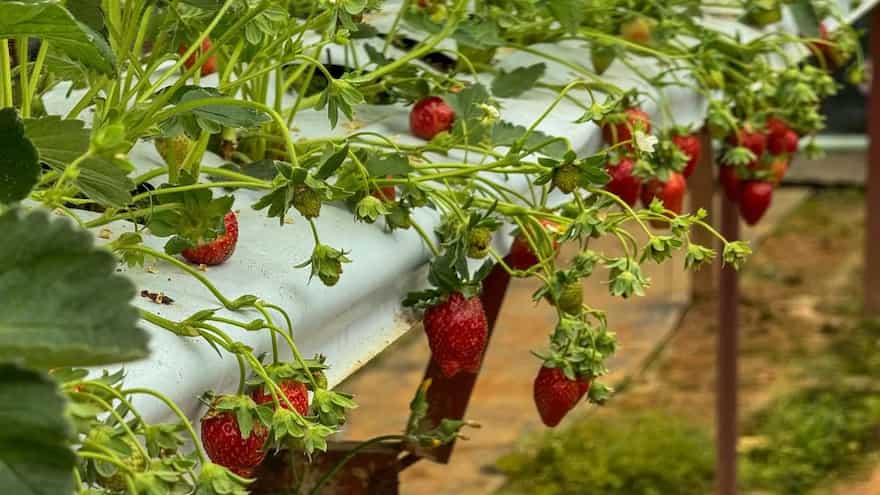
Image credit: Pexels
The Three Pillars: Smit, Sohliya, And Tura
The festival is strategically organised across three major hubs to ensure maximum participation from both farmers and tourists. The first phase of the event is currently underway at Smit Village, specifically at the scenic Wah-Iing-Syiem Meadows in the East Khasi Hills District, from 25 to 28 February 2026. Visitors to Smit are greeted with panoramic views of the meadows and the opportunity to walk through vast stretches of strawberry fields. Following the festivities in the Khasi Hills, the spotlight will shift to Sohliya in the Ri-Bhoi District and Darechikgre in Tura, West Garo Hills, from 4 to 7 March 2026. These locations represent different ecological zones, showing the versatility of the fruit across the state’s diverse microclimates. The event at the Sohliya Football Ground is expected to be a major draw, given the village’s status as the birthplace of the state’s strawberry industry. Meanwhile, the expansion into Tura highlights the government’s commitment to ensuring that the benefits of the horticulture boom reach the Garo Hills region.
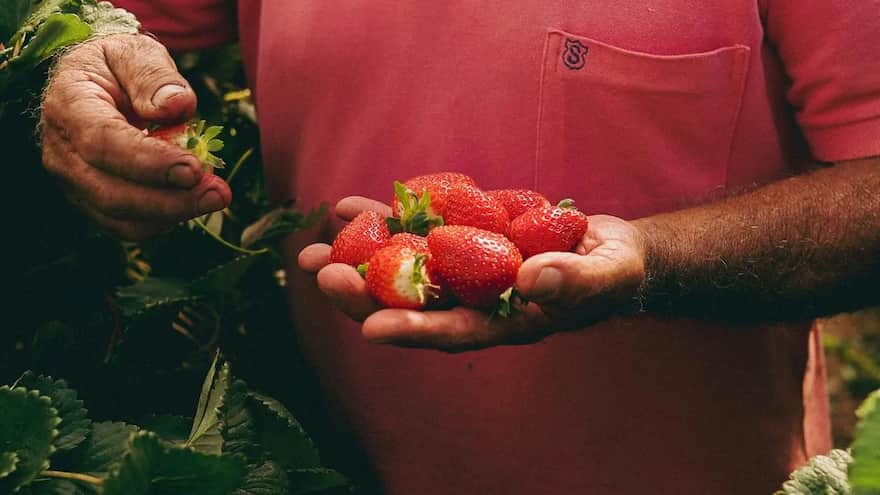
Image credit: Pexels
Strategic Interventions And Market Access
A significant factor behind the success of the strawberry industry in Meghalaya is the robust support system established by the Department of Tourism and the Department of Agriculture. The state has focused on improving farmgate prices, ensuring that a larger share of the profit reaches the growers directly rather than being lost to intermediaries. Infrastructure has been a key priority. The launch of cold chain facilities and specialised processing units has allowed farmers to store their produce longer and reduce post-harvest losses. To further increase the value of the crop, the government has collaborated with the Institute of Hotel Management (IHM) in Shillong. This partnership has led to the development of various value-added products such as premium jams, juices, and desserts, which are on sale during the festival.

Image credit: Pexels
The Japanese Connection: Tochiotome Variety
In a move that has excited the farming community, Chief Minister Conrad K. Sangma announced during his State Budget FY2026–27 speech that a new variety of strawberry will soon be introduced. The Japanese Tochiotome variety, known globally for its exceptional sweetness and large size, is slated for introduction in the next financial year. According to government officials, the Tochiotome variety is expected to command a higher price in national and international markets. This strategic move aims to position Meghalaya not just as a bulk producer but as a source of premium, high quality fruit. By diversifying the varieties grown, the state hopes to multiply the returns for growers and secure a stronger foothold in the competitive fruit market.
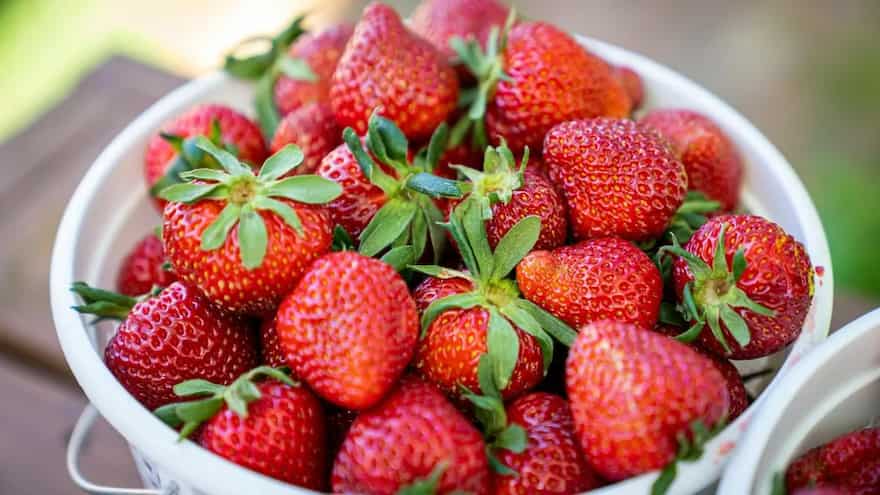
Image credit: Pexels
A Fusion Of Culture, Music, And Agriculture
What sets the Meghalaya Strawberry Festival apart from a standard agricultural fair is the integration of the state’s rich cultural heritage. Agriculture in Meghalaya has always been closely linked to community and song. In line with this tradition, the festival features live performances by local artists supported under the Chief Minister’s Meghalaya Grassroots Music Program (CM-MGMP). The sounds of folk and contemporary music provide a soulful backdrop to the harvest activities. Visitors can participate in strawberry picking sessions, where they can handpick the freshest berries directly from the plants. Tasting sessions are also a highlight, allowing people to sample different varieties and processed treats. Local food stalls offer a range of traditional Khasi, Jaintia, and Garo delicacies, ensuring that the festival is a holistic celebration of the state’s identity.
Promoting Agro Tourism And Entrepreneurship
The festival serves a dual purpose: it is a marketplace for farmers and a destination for tourists. By promoting agro tourism, the government is encouraging visitors to travel beyond the usual tourist spots like Shillong or Cherrapunji and explore the rural heartlands. This influx of tourists provides an additional revenue stream for village communities through homestays, local guide services, and the sale of handicrafts. The event acts as a direct platform for farmer-buyer linkages. Many large scale buyers from across India attend the festival to negotiate contracts directly with farmer cooperatives. This transparency in the supply chain is crucial for the long term sustainability of the industry. It also encourages local entrepreneurship, as young people in the villages are increasingly looking at food processing and agro tourism as viable career paths.
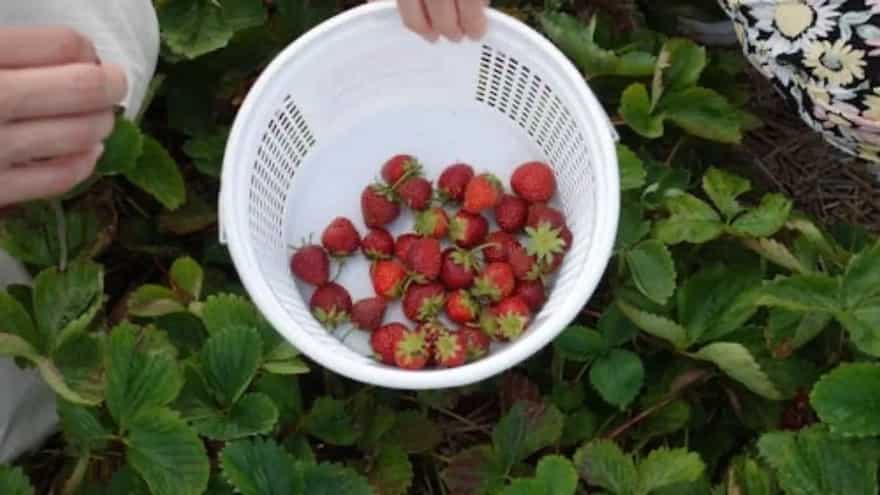
Image credit: Pexels
Looking Toward A Greener Future
The expansion of strawberry farming is also part of a broader vision for sustainable development. With the Asian Development Bank (ADB) recently approving a 77 million dollar loan for ecotourism and sustainable farming in Meghalaya, the state is well-positioned to scale its green economy. The project aims to link nature conservation with rural markets, and the success of the strawberry clusters serves as a perfect blueprint for this model. The focus on high value, low volume crops like strawberries is an environmentally conscious choice for a hilly state. These crops require less land compared to traditional grains but offer significantly higher financial returns. With the continued use of drip irrigation and organic farming practices, Meghalaya is setting a benchmark for climate-resilient agriculture in the Himalayan region.




