


 Share
Share

Chai and India’s culinary traditions are completely inseparable, and if there was a beverage that could have become the nation’s national beverage, it would have been chai, especially masala chai. And now, masala chai has been officially certified as the world's greatest tea in the most recent edition of the culinary guide by TasteAtlas highlighting India's vast diversity of tea culture, where tea is more than simply a drink; it is a vital component of social and cultural life.
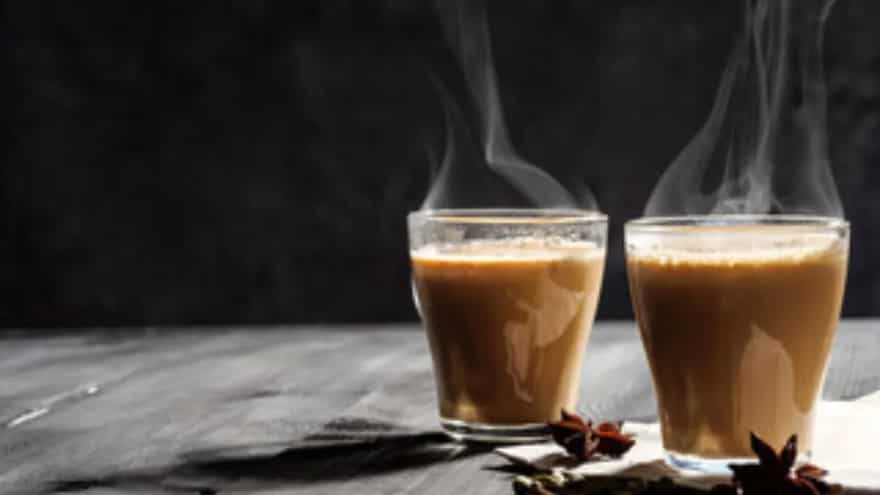
Image Credit: Adobe Stock
Numerous other Indian teas have achieved high rankings on the distinguished list including Darjeeling tea ranked sixth, Assam chai thirteenth, Sulaimani chai from Kerala thirty-ninth, Kangra tea from Himachal Pradesh forty-first and Jammu & Kashmir's Noon chai forty-third. This collection celebrates the many tastes, scents and cultural importance of India's tea offerings. TasteAtlas said that the rankings were based on audience evaluations, expert comments, and cuisine criticism gathered from across the world.
How Masala Chai Is Leading The World With Its Brew
The key to making a perfect cup of masala chai lies in finding the perfect balance of flavours and the ratio of sweet, spicy and aromatic. What is done is that CTC tea leaves are blended with fresh milk, sugar and a delicious fragrance of spices before being poured into a cup to sip. This is the daily sustenance of the Indian people and has officially outpaced major tea types from across the globe. TasteAtlas also stated the popularity of India’s masala chai has roots in the growth of the British tea trade in India during the colonial era, where the drink became extensively popular in the twentieth century, as tea consumption was encouraged among workers and tea grew more inexpensive across the country.
The top rating represents a significant cultural change in how international food critics see tea, especially from India. For decades, the global beverage elite has valued simple, unbleached green and black tea varietals. However, masala chai's ascension to the pinnacle of international cuisine reflects a rising global preference for powerful, multi-layered taste profiles.
The Art Of Brewing Masala Chai: A Popular Tea Across The World
Spices like cloves, ginger, cardamom and black pepper are often used to make Masala chai; they not only add a nuanced, hot and fragrant tone to our tea, but also make it replete with nutrients that are oh-so-essential for the weather. Black pepper helps soothe your throat, ginger has flu-fighting abilities, and cardamom can fight a cold. Together, these spices fortify you from within and help give your immunity a natural boost.
Getting the water-to-milk ratio right is key to crafting the perfect cup of masala chai. This balance ensures the ideal blend of creaminess and strength in flavour. Typically, a ratio of one part water to two parts milk is a good starting point, but adjustments can be made based on personal preference. Too much water may dilute the richness, while too much milk can overpower the spices. Using fresh tea leaves is crucial for crafting the perfect cup of masala chai. Unlike stale counterparts, fresh leaves retain essential oils and flavours, enhancing the brew's richness. Their robust aroma infuses the chai with depth, ensuring a delightful sensory experience. Fresh leaves also boast higher antioxidant levels, contributing to both taste and health benefits. By prioritising freshness, you unlock the true potential of masala chai, elevating it from a mere beverage to a soul-soothing indulgence.

Image Credit: Wikimedia Commons
Other International Teas Mentioned By TasteAtlas
Despite fierce competition from premium and single-estate leaves from East Asia and Europe, India's iconic spiced milk tea achieved the ultimate number-one spot, reinforcing its standing as a global beverage powerhouse.
While Indian teas have received widespread attention, the worldwide rivalry includes remarkable foreign varieties, such as Hojicha, a Japanese roasted green tea, which comes in second place, closely followed by Ceylon black tea from Sri Lanka, which is recognised for its robust character. On the other hand, Japan's Sencha and China's Pu erh rank fourth and fifth demonstrating the diverse tastes of tea enthusiasts worldwide.




