


 Share
Share

One dessert that Maharashtrians never get tired of eating is Shrikhand. No matter what the occasion is, they never miss a chance to taste the luscious and creamy Shrikhand. This sweet dish is made from hung curd, which is also called chakka, and has been made in Maharashtrian and Gujarati households for generations. Shrikhand is flavoured with saffron and cardamon and garnished with nuts, giving it texture!
Then enters mango shrikhand or aamrakhand, a fruity cousin of shrikhand that comes along with the mango season. While both shrikhand and mango shrikhand have the same base and creamy texture, they differ in flavour, seasonal significance, and even their cultural associations. But what sets them apart? Take a look at how these two versions of shrikhand hold their special place on the Indian dining table and how they differ from each other.
Video Credits: OvalShelf/ YouTube
How The Recipes Differ
Both shrikhand and mango shrikhand use chakka as their foundation, but the key difference lies in what goes inside it.
- Shrikhand: To make shrikhand, strain water from the yoghurt to get thick chakka. Then add powdered sugar, saffron (soaked in warm milk), cardamom powder, and chopped nuts like pistachios and almonds to the chakka and gently mix it all. Refrigerate it for some time and serve after garnishing it with a few strands of saffron and nuts for extra crunch and visual appeal.
- Mango Shrikhand (Aamrakhand): While the base preparation of the strained yoghurt remains the same for aamrakhand, ripe mango pulp (usually from Alphonso mangoes) is added to the chakka along with sugar. As mango pulp already has natural sweetness and aroma, saffron and cardamom can be used sparingly or skipped altogether. Let the dessert chill for some time, and then serve as a smooth, fruity variation that is perfect for summer. This simple addition of mango pulp not just changes the flavour but also the colour and mood of the dish.

Flavourings
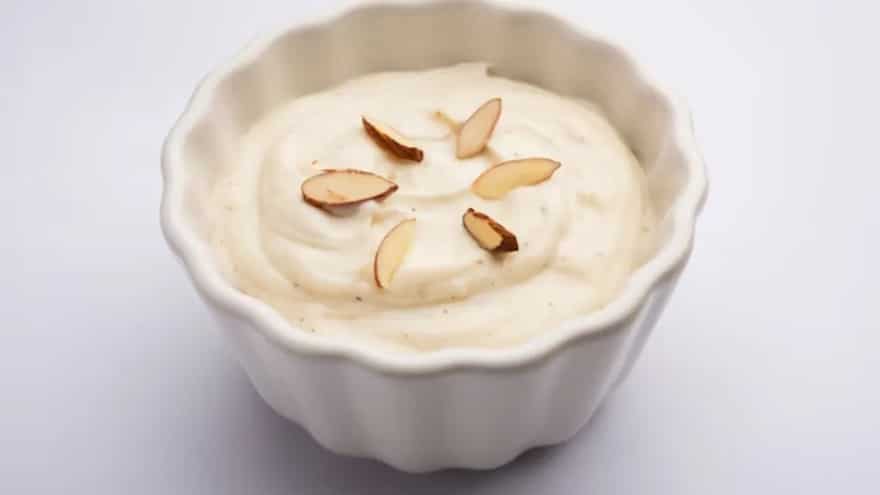
- Shrikhand has cardamom, saffron, nuts, pistachios and almonds over it for garnishing as well as for flavour. It is not extremely sweet.
- Mango Shrikhand, or aamrakhand, on the other hand, does not necessarily require the flavourings as it is sweeter and more flavourful because of the natural sugars and tang of mango pulp.
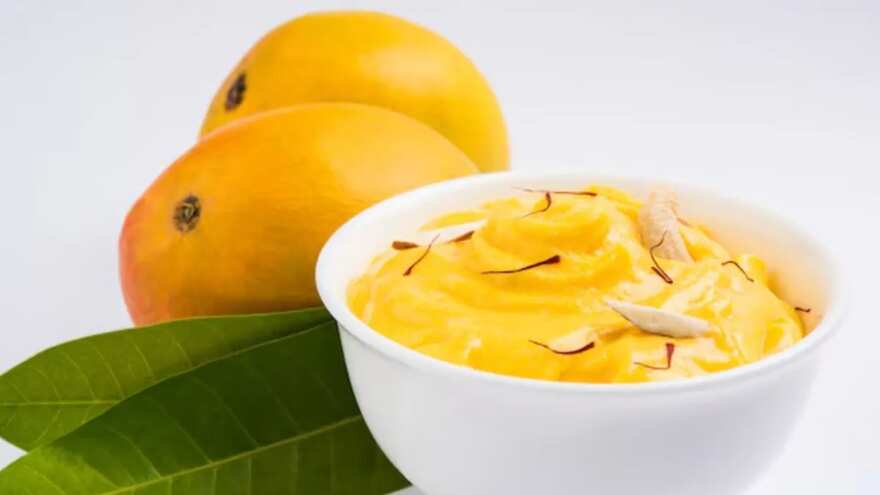
Colour And Appearance
- Shrikhand typically has a pale cream or yellow hue because of the saffron.
- Mango shrikhand has a golden-yellow colour, which is more eye-catching and fruity.
Seasonality and Availability
- Shrikhand is enjoyed year-round, especially during festivals like Gudi Padwa.
- Mango shrikhand, however, is a seasonal summer treat made mostly during mango season (April–June).
Cultural and Festive Importance
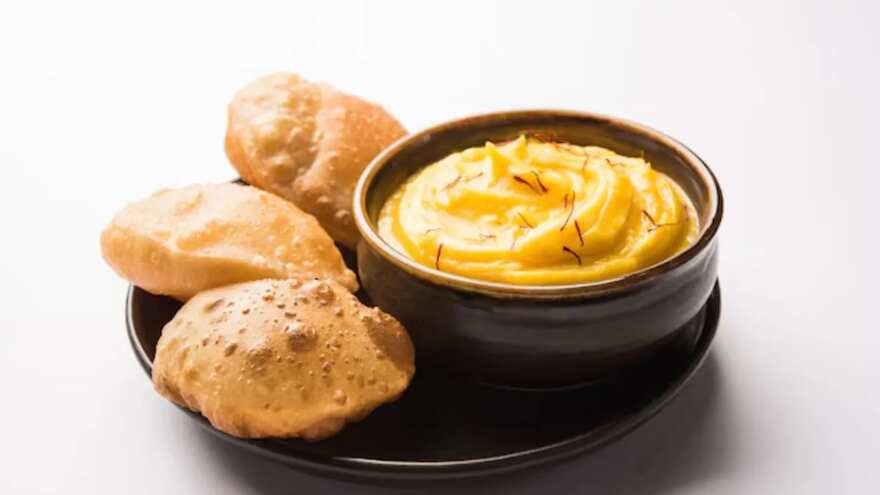
- In Maharashtra and Gujarat, shrikhand is often paired with puris during festivals.
- Mango shrikhand has become a summer favourite for special occasions and is also enjoyed as a cooling dessert for family gatherings.
Also Read: Try Mango Shrikhand: A Luxurious Indian Sweet Dish For Summers
Serving Pairings
- Shrikhand is best served with puris, phulkas, or as part of a thali.
- Mango Shrikhand can be served similarly or also enjoyed as a standalone chilled dessert.
Indian food lovers love both shrikhand and mango shrikhand for their unique appeal. While shrikhand stands as a timeless classic that people enjoy during festivals and everyday meals, mango shrikhand adds seasonal excitement and celebrates India’s love affair with mangoes. No matter which sweet you pick, both deliver sweetness and comfort in every bite.




