


 Share
Share

Sweet, syrupy, sticky, decadent and sugary, malpua is a beloved treat across several regions of the Indian subcontinent. It is often served at breakfast or with afternoon tea and sometimes even as a dessert during a festive or celebratory feast. All across the subcontinent, the malpua is prepared in different ways. Regional nuances seep into its recipe – popular in Bengal, Bangladesh and Nepal – as each one makes the malpua its own.
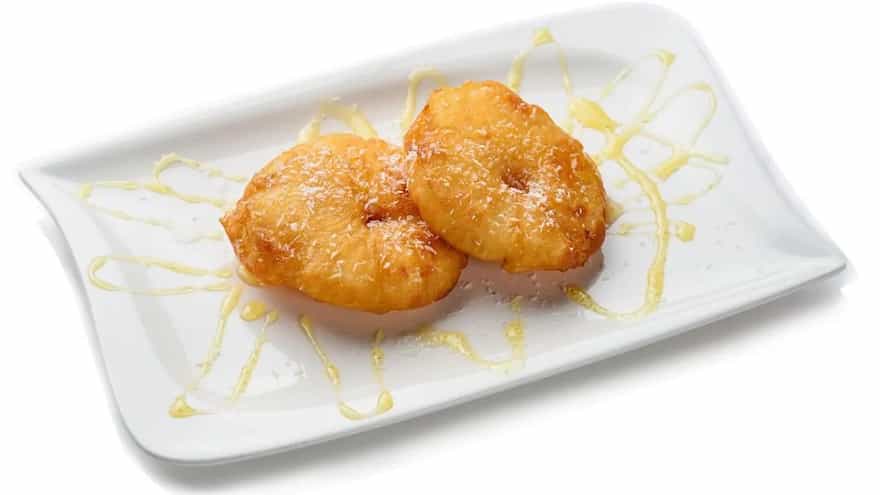
The same dish is savoured in different ways and known by different names in a landscape rich in culinary diversity. Local, regional flairs seep into its making, borrowing from prevalent taste preferences and specific geographical locations. Across every region, delightful local twists bring a little something original into the famed malpua.
Pakatali Puri
In Maharashtrian culinary cultures, the round malpua variation quite well-known for its syrupy goodness is pakatali puri. It simply refers to a puri or a puffed, deep-fried flatbread immersed in sugar syrup, or pak. Wheat flour is used to make the dough for the puri and it is very lightly seasoned with salt. 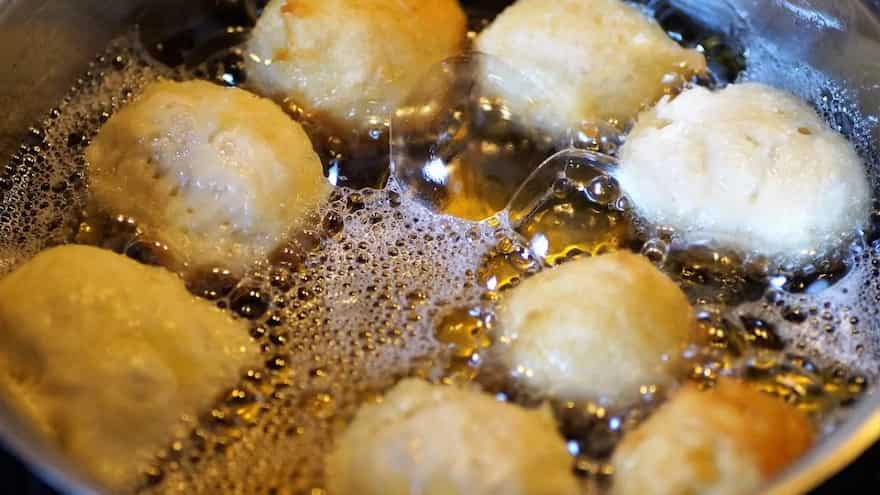
The fried puri is released into a sugar syrup laced with the flavours of saffron and cardamom. This sticky puri is then served as a treat with several savoury regional staples during a festive meal. Sprinkling a little bit of lime juice into the syrup brightens its flavours, lending the simple dessert a bit of an edge.
Amalu
Known as malpua in West Bengal and many north eastern Indian regions, this sweet treat nonetheless takes the form of amalu in Odisha. It carries a very crucial cultural import as it is one of the many delicacies that are presented as offerings in the temple worship tradition followed in this region. 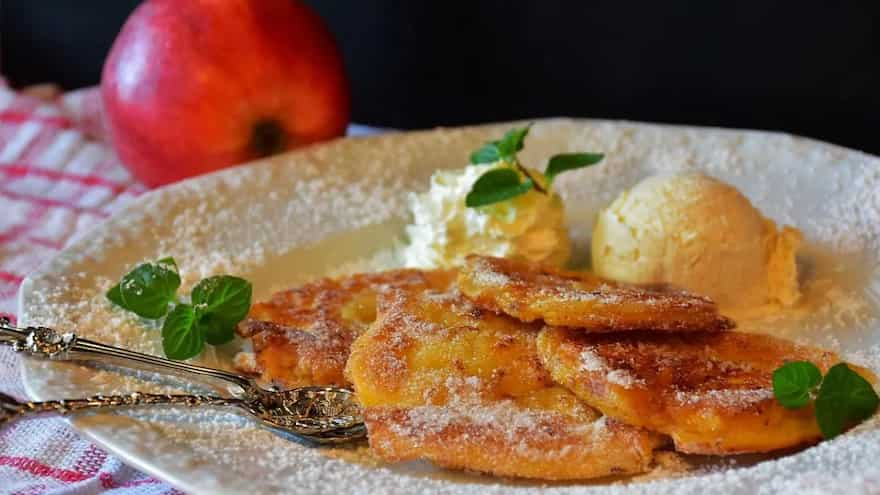
One of the reasons amalu stands out from other malpua recipes is that its dough consists of a mixture of flour and chenna or fresh cottage cheese which brings a creaminess into the sweet treat. Soft and delicately sweet, the amalu is slightly less syrupy than the northern Indian malpua version and carries a subtle, delicate sweetness.
Marpa
Parts of Nepal and some regions in north eastern India prepare the marpa as a fruity, sweet variation made using flour, milk, sugar and mashed bananas. When the pancake is fried in a pan, the bananas also soften and cook beautifully to release their slightly caramelised flavours.
The marpa is often prepared as a dessert during festivals and is dipped in sugar syrup for coating it with a sticky, decadent sweetness. This pancake-like sweet dish is commonly served with afternoon tea and is regarded as a wholesome, homely, traditional treat reserved for a special occasion.
Mawa Malpua
Travel to Rajasthan and what one would find is a very rich version of the malpua infused with the dense and creamy notes of fresh khoya. It is a dessert essential in the dunes, especially during the festival of colours.
The batter for this malpua is made from maida and khoya to craft pancakes that are generously soaked in sugar syrup. This Rajasthani variation of the malpua is paired with creamy rabri as a richer and denser version of the dessert that texturally balances crunchy edges and soft centres.
Adhirasam
In southern Indian provinces, the malpua variation which is most prominently prepared in traditional set-ups during the festive season is the jaggery-based adhirasam. The addition of jaggery as the sweetener instead of sugar or sugar syrup is what distinguishes the southern Indian malpua from its other regional counterparts.
Adhirasam is a sweet, caramelised pancake made using rice batter infused with melted jaggery. It is shallow fried and served as a simple sweet treat on the festive day. Bringing a regional, spiced effect into the adhirasam is a bit of dry ginger. It infuses an added oomph into the classic adhirasam recipe.




