


 Share
Share

Makki ki roti looks so simple to make when you watch it on a video. Until you are in the kitchen, with makki ka atta in the dough vessel, kneading and every roti cracking when you try to place it on the tawa. You start with full enthusiasm and end up questioning why you even started making it. It becomes annoying because you know how delectable that perfect, ghee-laden roti tastes with sarson ka saag, but making a perfect roti there feels like a wrestling match.
The truth is, makki atta acts very differently from the regular wheat flour, and that is where most of the irritation begins. The good news? A few simple smart hacks, such as using warm water, patting it instead of rolling, tiny pressing add-ins, and placing the roti gently on the tawa, can turn this 'impossible' roti into a totally doable, even comforting, winter ritual you actually look forward to making.
Art Of Kneading The Dough
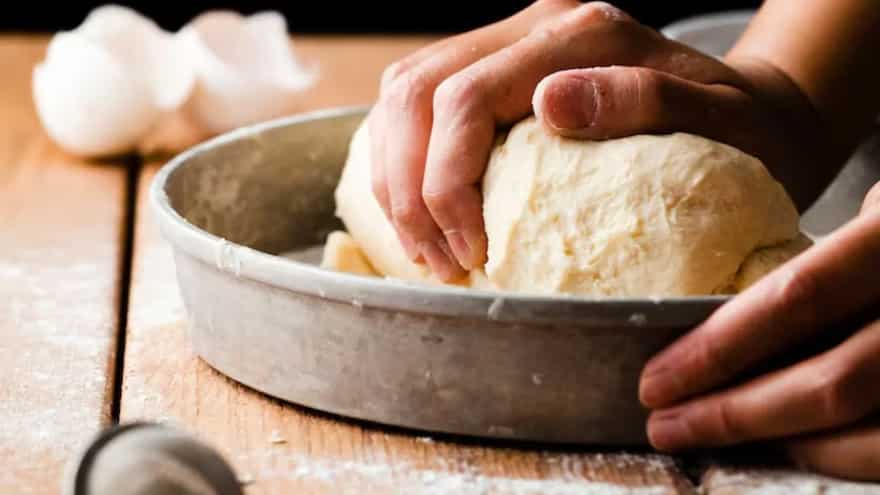
The art of making makki ki roti starts right from the dough bowl. Cornmeal or makki atta has no gluten, so if the dough is sticky, it will start cracking. Always knead the dough by adding warm water little by little with a pinch of salt and ghee. Knead it until the dough feels soft and pliable but not sticky. Keep it for rest for about 10 to 15 minutes so the flour absorbs the moisture. If the paratha begins to crack at the edges, it means 'too dry ', or if the dough is sticking everywhere, it means 'too wet.' Adjust the consistency with teaspoons, not cups, and the dough will behave just right.
(Image credit: Freepik)
Old-School Patting Trick
Rolling the makki ki roti like wheat roti will definitely result in broken edges. Instead of this, follow the old school trick: place a dough ball in between two sheets of greased butter paper or an open ziplock bag. Gently press the dough ball and pat it out with your palm, and gently rotate to make a circle. The even pressure prevents the roti from tearing. If you notice tiny edge-cracks forming, smooth them with slightly wet fingers. Slow, gentle patting results in fewer blowups and a roti that will stick together.
Warmth Is The Secret Ingredient
Cold flour, when kneaded with cold water, is a very bad match. Always use lukewarm water to knead the dough, which will be more pliable and easier to bind, so it will be less likely to crack while rolling or cooking the tawa. In the winter season, keep the dough covered with a damp and moist cloth so it does not dry out quickly. If the surface looks very dry or rough, lightly knead it again with a few drops of warm water. It is like giving the dough a gentle warmth.
(Image credit: Freepik)
Prepping The Tawa
If the roti cracks or breaks while flipping it, the tawa is often the villain. If the tawa is too cold, the roti will dry out before it cooks; if it is too hot, it will turn crisp and will crack instantly. Check it by dropping water drops, if it sizzles and vanishes, the tawa is ready. Place the roti gently on the tawa, wait till the colour changes, and tiny steam bubbles begin to appear. Then flip to the other side and cook. Press lightly with a cotton cloth or spatula, particularly at the edges. Handle it smoothly, and it won't shatter.
Besan Is The Cheatcode
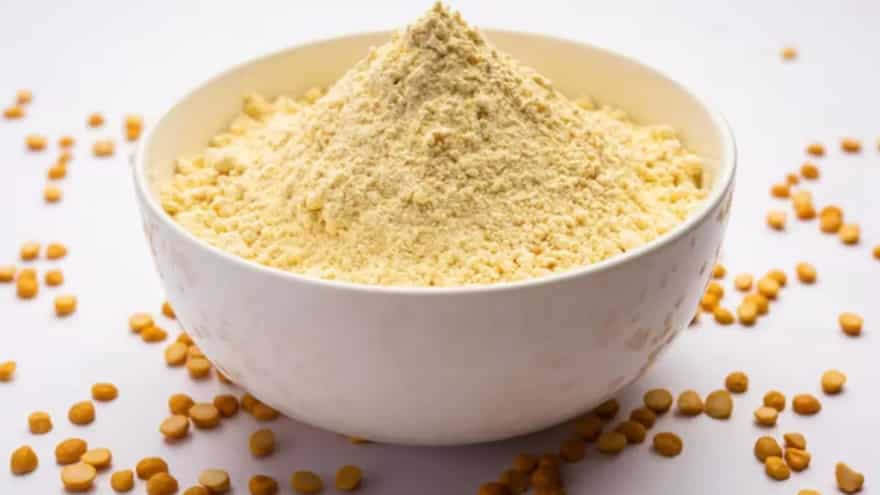
If you are using pure makki dough, and it is testing your patience, there is no shame in using the shortcuts. Add 1 to 2 tablespoons of wheat flour or besan to the makki atta. It will be enough to help in binding and will not steal the rustic charm. Another hack- shape the roti with a damp cloth, then place it straight on the tawa- no lifting, and it will not break. A drop of ghee while cooking keeps the roti soft and prevents the edge-cracking. Remember, the goal is to have happy eating, not showing toughness to the dough.
(Image credit: Freepik)




