


 Share
Share

Getting that perfect balance of a crackly olive oil crust and a wildly airy middle is the ultimate goal when baking focaccia at home. Many home bakers spend hours meticulously stretching and folding their high hydration dough only to watch it fail at the very last hurdle. A standard dry oven can often ruin all that hard work by baking the outside of the bread far too quickly. This sudden blast of harsh heat traps the delicate bubbles inside and leaves you with a heavy and dense flatbread. Adding an Usha Steam Oven to your kitchen setup completely changes how you approach bread making. The controlled moisture environment essentially mimics the expensive steam injected ovens used by professional bakeries. It allows the wet dough to stretch, spring, and rise to its full potential before the crust finally sets into a deep golden brown. Instead of hoping for the best when you slide your baking tin onto the rack, you get a reliable and perfectly textured bake every single time.
Achieving The Perfect Oven Spring
The secret to a tall and bubbly focaccia lies entirely in how the dough behaves during the first ten minutes of baking. In a regular oven, the intense dry heat immediately starts to form a hard crust on the surface of your dough. This rigid layer acts like a trap that prevents the bread from expanding any further. When you use a steam oven, the continuous moisture keeps the surface of the dough soft and flexible for a much longer period. This gives the yeast plenty of time to push the dough upwards and create those massive airy pockets inside the crumb before the outside finally hardens.

Image credit: Pexels
If you don’t have Usha’s Steam Oven, Shop Now
Developing A Crispy Golden Crust
It might sound counterproductive to use water when you are trying to achieve a crispy exterior, but steam is actually the secret to a perfect crust. As the moisture from the oven settles on the cold surface of the raw dough, it dissolves the natural starches present in the flour. This creates a very thin gel layer across the top of your bread. As the baking time progresses and the steam naturally vents away, this glossy layer fries in the pooling olive oil and bakes into a spectacular crispy shell. It gives you that satisfying crunch without making the bread tough or overly chewy.

Image credit: Pexels
Protecting Your Delicate Toppings
One of the most frustrating parts of making focaccia at home is watching your beautiful toppings turn into ash before the bread itself is fully baked. Delicate ingredients like fresh rosemary needles, thinly sliced garlic, and cherry tomatoes simply cannot survive twenty minutes of blasting dry heat. The humid environment inside a steam oven acts as a protective blanket for these vulnerable toppings. The gentle moisture prevents fresh herbs from shrivelling up and stops sliced vegetables from burning, meaning your bread comes out looking vibrant and full of fresh flavour.
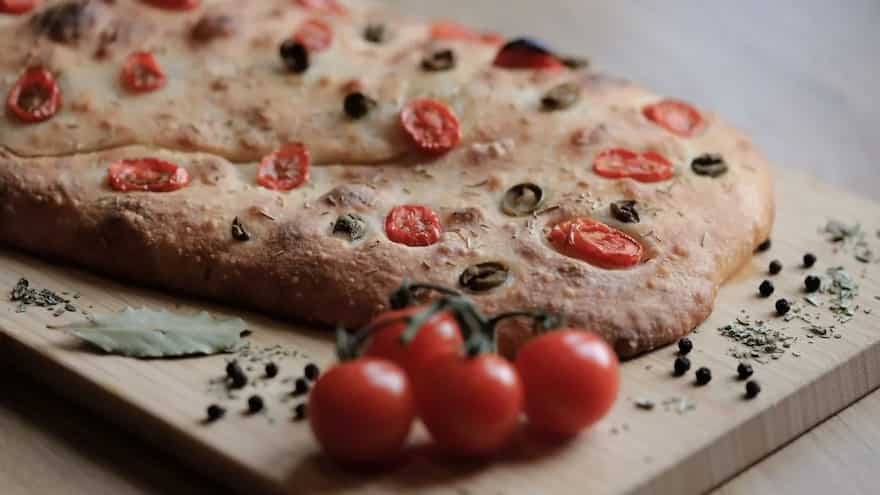
Image credit: Pexels
Bringing Day Old Bread Back To Life
Fresh focaccia is incredible on the day it is baked, but high hydration breads tend to lose their magic very quickly once they cool down completely. Sticking a stale slice into a regular toaster or oven will just dry it out even further until it resembles a tough crouton. Your steam oven is incredibly handy for rescuing leftover slices because it introduces moisture back into the crumb while it heats the bread. A quick blast of hot steam followed by a few minutes of dry heat will refresh the starchy interior and crisp up the olive oil crust, making it taste exactly like it just came out of the baking tin.
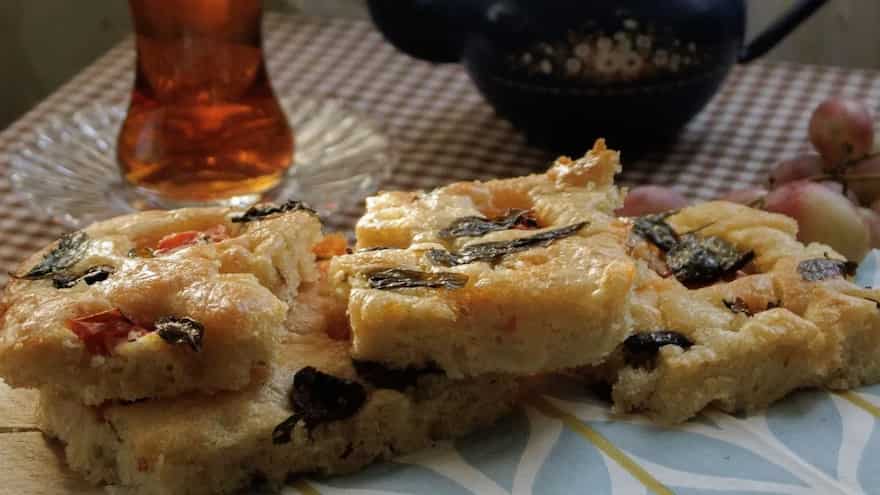
Image credit: Pexels




