


 Share
Share

Indian summers are brutal, the kind that make you want to draw the curtains, switch on the fans and air conditioners, and simply stay indoors. And that's exactly when a quiet tea break becomes the highlight of the day. With everyone home and the heat keeping families tucked inside, there's a natural slowness to summer afternoons that practically calls for a cup of chai and something freshly made to go alongside it. Now, if snacks are needed, that one identity of being homemade and local, Kerala’s culinary achievements have to be discussed then. Kerala has a plethora of interesting snacks that the country has grown to love, from acchappam to banana chips.
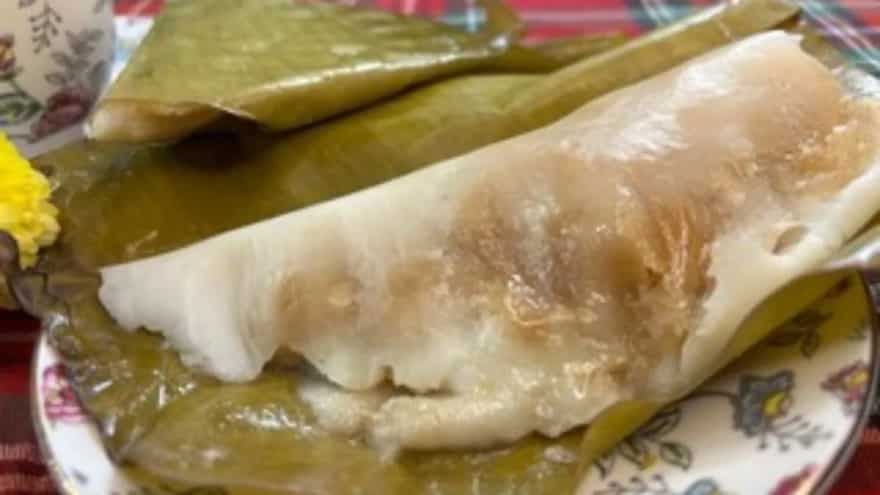
Image Credit: Adobe Stock
Many homes in Kerala make these traditional snacks at home from scratch and serve them with tea or coffee, or just as a snack if guests are over. Nowadays, these snacks are available in stores and online platforms, but making them at home has its own charm. You might think these local Kerala snacks are very tough to make, and you will have to spend too much time in the kitchen, especially in the summer months. But no, that is not the case here. These recipes use very basic ingredients that one can find in their daily pantry storage and are cooked using simple techniques such as steaming or deep-frying.
Ela Ada
The name itself is derived from ‘ela’, meaning leaf and ‘ada’, which means a steamed rice cake. Ela ada is a blend of raw rice flour, grated coconut, and jaggery, all nestled within a banana leaf. The process involves crafting a thin rice dough base, adding a luscious coconut-jaggery mixture, and skilfully folding it into a leafy parcel before steaming. As steam envelops the delicacy, the banana leaf imparts a subtle, earthy aroma. The result is an irresistible blend of flavours and textures. The best part about this local Kerala snack is that it is steamed, so you do not need to stay too long in the kitchen and suffer in the summer heat. Plus, this dish is a symbol of unity, often prepared during festivals and gatherings, emphasising Kerala's communal spirit. While staying true to tradition, modern versions experiment with fillings like jackfruit and chocolate.
Kappa
Tapioca, which has been a mainstay in Kerala homes for decades, is one of the simplest dishes to prepare on a hot summer day. You put it into boiling water and walk away—no stirring, monitoring, or standing over the heat. Once soft, it's drained and mixed with freshly grated coconut, green chillies and a fast mustard tempering that takes about two minutes on the hob. The end product is extremely satisfying—earthy, somewhat nutty, and deliciously filling. When served with a hot cup of chai on a lazy summer afternoon indoors, kappa feels less like a snack and more like a tiny celebration of Kerala's charmingly simple cuisine culture.
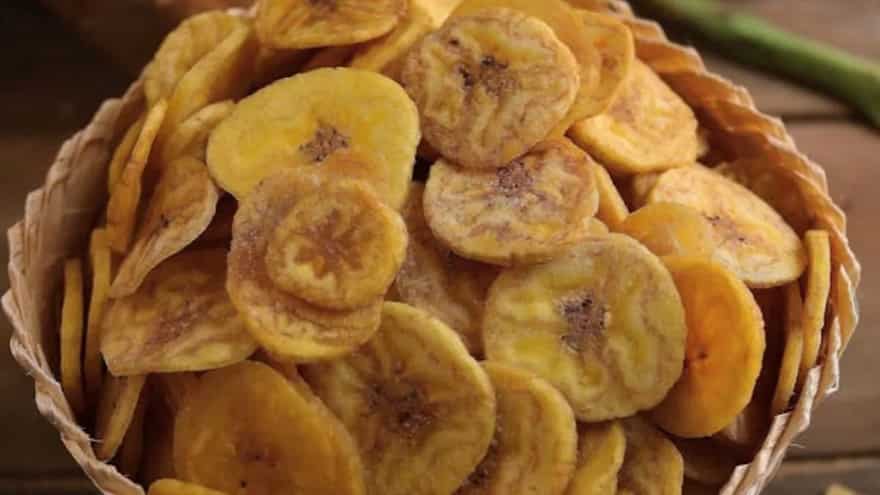
Image Credit: Pexels
Banana Chips
A simple South Indian dish called ethakka upperi or banana chips is made using raw or unripe bananas, turmeric, and salt. This dish, a nutritious snack, can be presented at any gathering in place of fried potato chips. It goes well with a cold beverage or even a cup of hot tea or coffee. It is a mouthwatering meal that will not only satisfy your appetite but also pamper your taste buds. You can also use an air fryer for this recipe and avoid the summer heat in your kitchen. All you need to do is lightly brush the slices with coconut oil, season with salt and turmeric, and let the appliance do all the work. Same satisfying crunch, zero kitchen heat, and done in minutes.
Avalos Podi
It is roasted rice flour mixed with grated coconut, sugar or jaggery, and a hint of cardamom, coming together into a crumbly, mildly sweet, wonderfully textured mix that is genuinely addictive. Unlike most snacks, it demands almost no cooking as it is mainly dry roasted on a low flame for a few minutes. You won't find it lining street food stalls or bustling markets. Avalos podi is firmly a home snack, something the kitchen in Kerala makes quietly and pass it down through generations rather than selling. On a slow, fan-cooled afternoon with a steaming cup of chai beside you, a handful of avalos podi feels like a reward.
Uniniyappam
What makes Unniyappam particularly summer-friendly is the cooking vessel itself, the paniyaram pan, a small cast-iron or non-stick pan with shallow round moulds. It uses minimal oil, almost like a cross between frying and baking, and each batch cooks quickly over a moderate flame. There is no large kadai of bubbling oil to contend with, no intense heat radiating across the kitchen. The batter itself comes together effortlessly. It essentially comprises mashed banana, jaggery dissolved in water, rice flour, and a handful of coconut pieces stirred together without any elaborate technique.
Kozhikaal
Kozhikaal is perhaps Kerala's most playfully named snack, literally translating as ‘chicken legs,’ yet containing not a trace of meat. The name comes entirely from appearance, as the fried tapioca pieces emerge from the oil looking convincingly like tiny drumsticks, golden and crispy. It is a snack that delights before you even take a bite. Believed to have originated in Thalassery, a coastal town in northern Kerala with a rich and distinct culinary identity of its own, kozhikaal carries that regional pride quietly within it. The tapioca is sliced into the distinctive shape, coated in a spiced batter, and deep-fried until gloriously crispy on the outside while remaining soft within. The frying itself is quick, so you spend minimal time hovering over hot oil.




