


 Share
Share

Within cuisines spanning western Maharashtra, northern Karnataka and other regions scattered across these territories lies a culinary culture characterised by simple, wholesome yet delicious preparations.
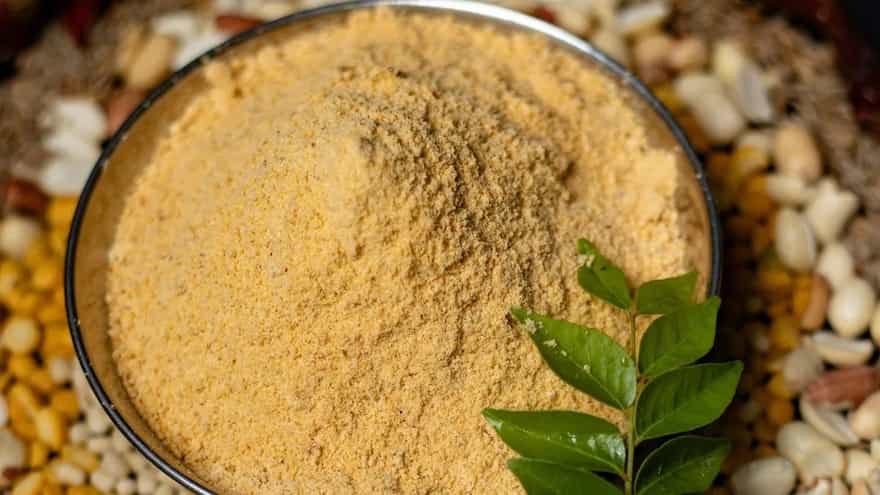
Bhakri, or a flatbread made from grains like jowar and bajra, is a staple in these regions and is paired with different vegetables including lightly tossed leafy greens, stuffed brinjals and even baingan bharta.
What accompanies the bhakri along with such flavourful sabzis are accompaniments that introduce brightness into the simple meal platter. The dangar is one such side dish most prominently served with bhakris, a deeply satisfying and humble pairing with this flatbread.
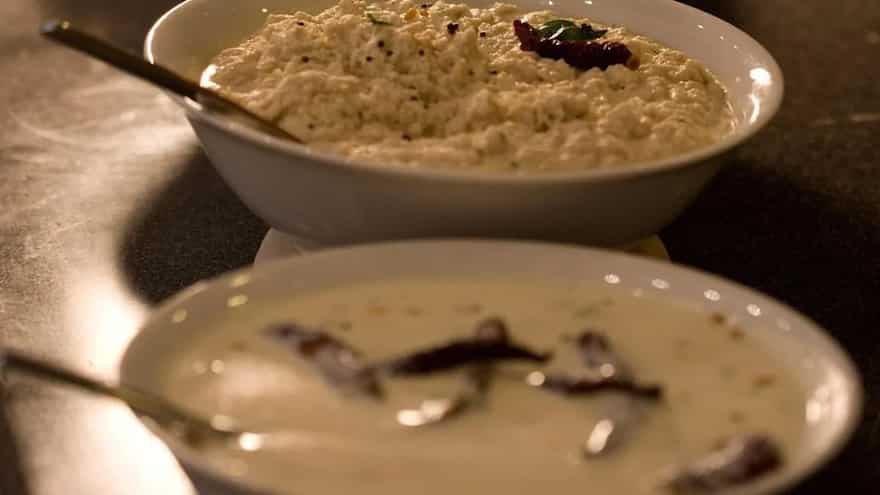
While one would seldom find the dangar in any restaurant featuring regional cuisine, this hyperlocal dish from rustic Indian kitchens is still a staple across many households, whether in agrarian communities or in the big city. When one is short on accompaniments and dinner time is approaching fast on a weekday, the home cook often turns to the dangar as a quick and flavourful side dish that can be served with freshly made, warm bhakris.
What Exactly Is Dangar?
Ask a local what dangar is and they would find it difficult to distinguish whether it is a chutney or raita or pachadi: rather they would just make some and let the gastronome decide for themselves!
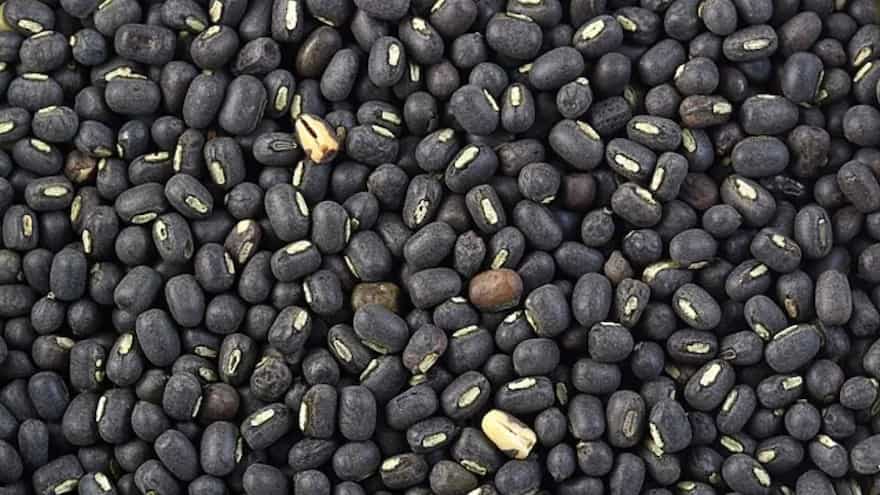
Put simply, dangar is a coarse, spiced crumble that brings spiciness, heat, texture and richness into a simple bhakri and ghee meal. It sits somewhere between a chutney, podi and curry and is a dish prepared traditionally using urad dal or black gram flour. Laced with finely chopped onions and coriander and a tempering of curry leaves, mustard and dried red chillies, dangar is a low-effort side that brings instant flavour into a nourishing meal.
With dangar on the side, one need never worry about the sabzi being absent for the accompaniment will more than make-up for the savoury flavour that a spiced veggie would bring into a staple dinner.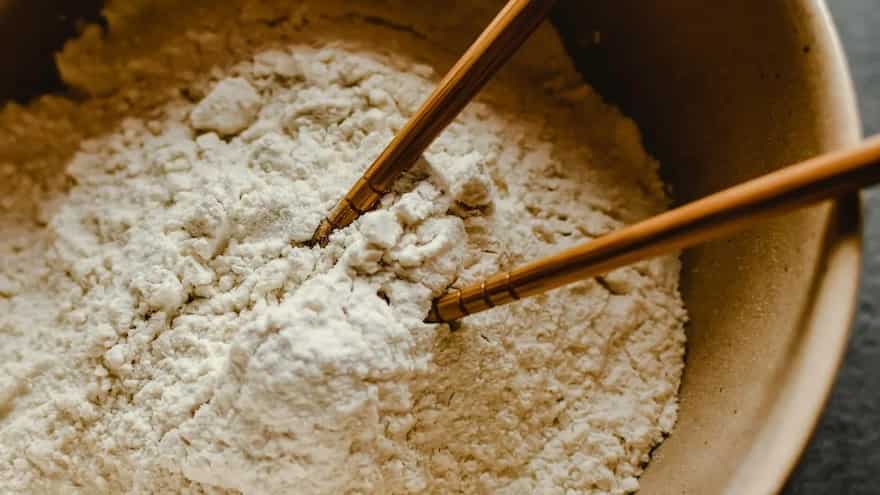
Why Is Dangar Paired With Bhakri?
Dangar is extremely rich in protein and builds up on the nutrient quotient of your every day meals. It is paired with bhakri because the coarse, slightly wet dangar brings moisture into the otherwise dry flatbread.
Interestingly, dangar adds a lot of intense flavour to the meal in a small quantity that compliments the dense and earthy flavour of the bhakri. It also makes for a very simple regional treat, suitable across all seasons, that balances nutrition with smart, low-effort cooking on busy days.
Regional Dangar Variations
Since dangar is a local recipe, numerous variations abound which resonate with subtle regional touches. In western Maharashtrian regions, dangar is mixed using black gram flour and water, seasoned lightly with salt and red chilli powder and finished off with onions, coriander and a mildly spicy tempering of curry leaves, hing, turmeric and dried red chillies to give the effect of a slightly moist, chutney-like side dish.
For its part, the dangar in northern Karnataka takes cue from southern Indian culinary traditions and involves adding a portion of curd to black gram flour, in lieu of water. Curd can be whisked to make it smooth and airy before mixing it with the flour to produce a spiced, comforting accompaniment that resembles a curry texture.
Dried coconut is also added to some versions of the dangar and dried red chillies are replaced with fresh green chillies for a spicier kick. In winter months, roasted sesame is used as a light garnish.
Although dangar might be lesser-known than the Maharashtrian thecha or the southern Indian pachadi, its regional variations still continue to be a top go-to side dish in several households that remain rooted in local culinary traditions.




