


 Share
Share

Holiday treats often carry a sense of warmth and abundance, and chocolate bark fits neatly into this mood because the method rests on gentle melting, patient spreading, and a few flavour additions that suit most kitchens. Many people appreciate the simplicity of this confection during the winter months, and the festive season encourages small projects that bring cheer without complicated techniques or specialist tools. Chocolate bark can also be prepared ahead of time and stored safely, which suits busy households during December gatherings, workplace events, and gifting traditions. The practice of layering fruit, nuts, spices, petals, and brittle over a base of tempered or melted chocolate echoes customs across several cultures, and Indian kitchens have adapted these ideas with enthusiasm because the ingredients are easy to source. The variations described here are also perfect to make with kids and serve as a fun holiday bonding activity.
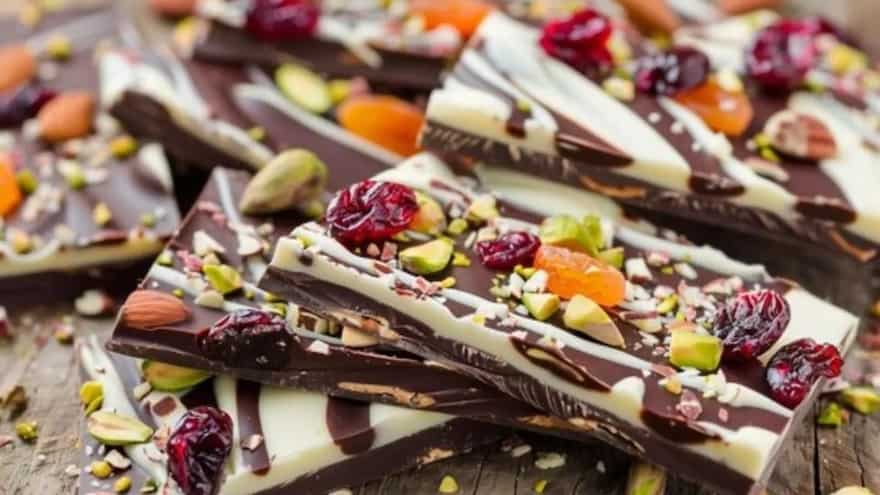
Image credit: Adobe Stock
1. Spiced Orange Peel And Dark Chocolate Bark
Citrus plays a strong role in winter cooking, and dried orange peel remains one of the most expressive ingredients to use during the season. Many Indian households keep dried peel for use in herbal infusions, cakes, mithai, and seasonal desserts, which makes it a natural addition to dark chocolate bark. Once the chocolate melts gently and spreads across a flat surface lined with parchment, thin strips of dried orange peel can be scattered across the top to create a fragrant layer. A small amount of cinnamon or long pepper powder adds depth without overshadowing the chocolate, and the peel releases its oils as the bark sets, which creates a lively aroma that suits holiday gifting. The finished bark breaks into irregular pieces that feel handcrafted, and families often enjoy presenting these pieces in small boxes during the festive season.

Image credit: Adobe Stock
2. Pistachio, Rose Petal, And White Chocolate Bark
White chocolate carries floral flavours with ease, and pistachios pair gracefully with edible rose petals because these ingredients share a long history across Indian sweets. Rose petals appear in sherbet, kheer, barfi, and festive confections throughout the year, so they adapt naturally to holiday chocolate bark. Once the white chocolate cools slightly after melting, crushed pistachios can be folded through the top layer to create a textured surface. Dried rose petals can then be sprinkled evenly to introduce a delicate aroma and a colourful finish that evokes celebration. The combination feels festive and elegant without excessive work, and many households enjoy preparing this variation for seasonal hampers.
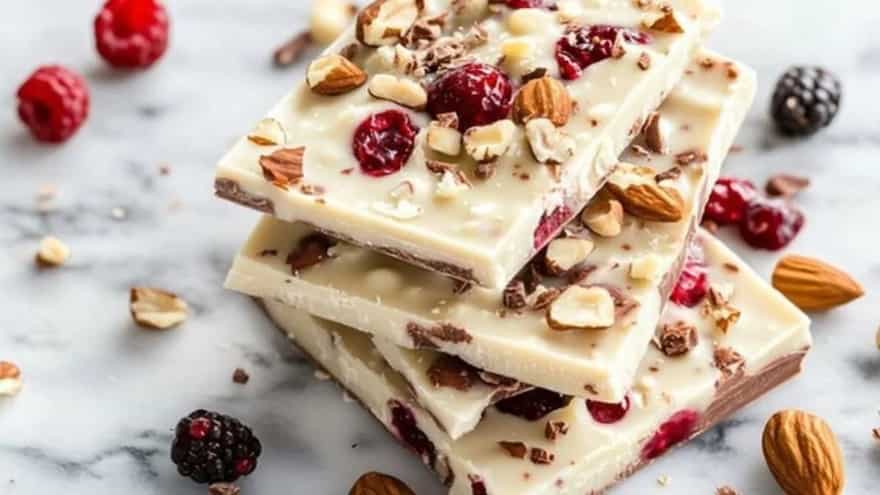
Image credit: Adobe Stock
3. Chilli, Jaggery Brittle, And Dark Chocolate Bark
Chilli has emerged as an intriguing partner for chocolate because its warmth lifts the richness without producing a harsh edge. Dark chocolate supports this flavour well, and a mild chilli powder or finely crushed dried chilli can be used sparingly across the surface. Jaggery brittle adds another dimension through its deep caramel notes, and many families prepare brittle during winter festivals like Lohri and Uttarayan, which makes small shards easy to incorporate into holiday bark. These shards settle into the melted chocolate and create pockets of sweetness that contrast with the bitterness of the chocolate and the warmth of the chilli. The bark sets into pieces that feel rustic and generous, and many people reach for this variation when they want a treat that carries a slightly adventurous edge without abandoning festive comfort.
4. Cranberry, Almond, And Milk Chocolate Bark
Milk chocolate remains a seasonal favourite, and dried cranberries bring a bright, tart flavour that lifts the entire confection. Indian supermarkets and online stores stock cranberries throughout the year, which makes them easy to include in holiday treats. Once the milk chocolate spreads evenly across the tray, almonds can be placed across the surface in a loose pattern. Cranberries can be pressed lightly into the warm chocolate so they hold their shape as the bark cools. The almonds contribute a firm bite, and the berries introduce a vivid colour that suits winter celebrations. This combination appeals to children and adults alike, and it remains one of the more accessible variations for households preparing large quantities of festive treats.
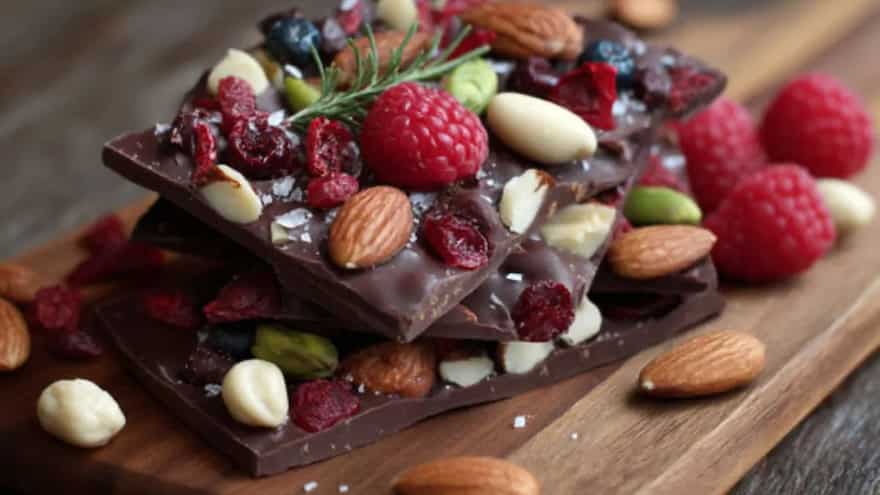
Image credit: Adobe Stock
5. Sesame, Ginger, And Dark-Milk Chocolate Bark
Sesame seeds play a significant role in winter sweets across India, and their earthy aroma becomes more pronounced once toasted. Dark-milk chocolate suits sesame particularly well because it offers richness without excessive heaviness. A small quantity of crushed ginger biscuits or finely chopped candied ginger can be added to the surface while the chocolate remains warm. The ginger creates a lively spark that reflects the spirit of holiday desserts, and the sesame supports the chocolate with a gentle depth that feels appropriate for the season. Many people who enjoy regional winter flavours reach for this variation because it carries hints of festive sweets found across different Indian states.
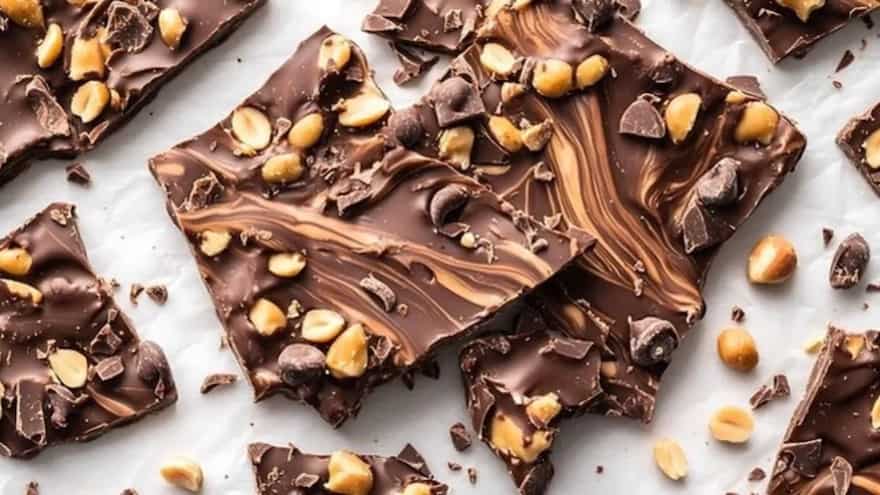
Image credit: Adobe Stock
6. Toasted Nuts And Sea Salt Chocolate Bark
A generous layer of toasted nuts pairs beautifully with chocolate during the holidays, and the aroma deepens as the nuts warm, which creates a satisfying base for this variation. A mixture of cashews, walnuts, and almonds works well across Indian kitchens because these nuts remain available throughout the winter season. After the chocolate melts and spreads across the tray, the toasted nuts can be scattered across the surface to create a substantial bite. A light pinch of sea salt sharpens the overall flavour without overwhelming the chocolate or the nuts. The salt lifts the natural richness of the chocolate, and the nuts contribute a pleasing texture that suits festive snacking. Once the bark sets, the pieces can be packed in jars or small boxes for gifting during gatherings and seasonal celebrations.
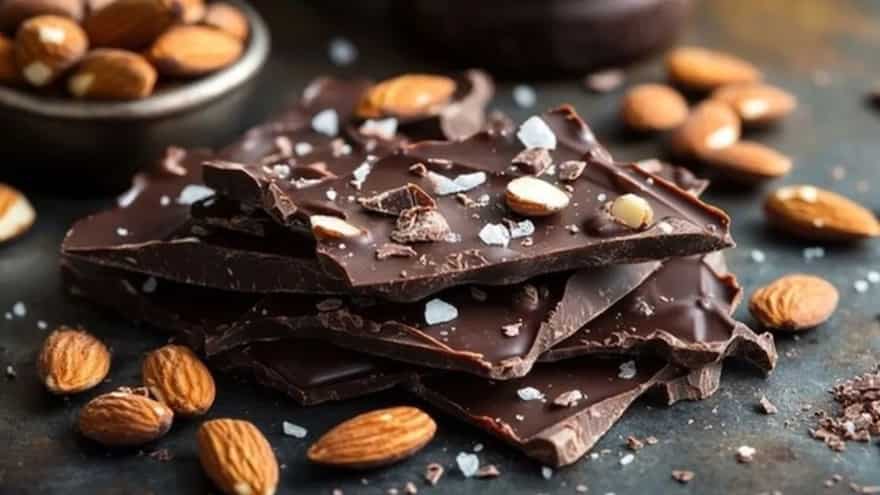
Image credit: Adobe Stock




