


 Share
Share

A winter trip to Bolpur, Tagore’s land, following the chilly wind, is incomplete without trying laal doi, moya, Dudh Puli, or Paatishapta. Makar Sankranti is nearing, and this is the ideal time to bask in the sunshine, sit by the side of the Kopai River, visit the Vishwa-Bharati Vishwa Vidyalaya, walk by the lanes, and have some sada doi, rabdi, and mihidana on your way.
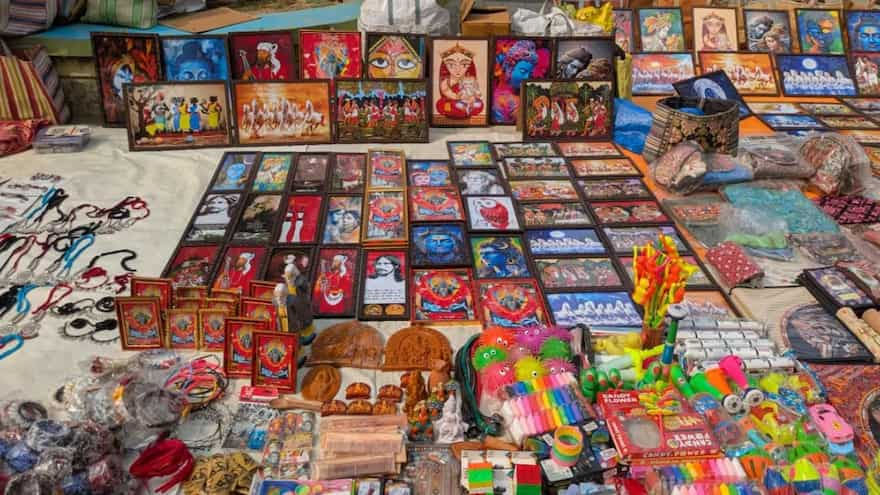 Image Credit: Saborni Saha
Shantiniketan, a serene town in Bengal’s Bolpur region, is where the Nobel Laureate Rabindranath Tagore flourished long before his global recognition. It was here, amidst the whispering Sal and Piyal trees, that he gained deep insights into the lives of ordinary citizens, composing immortal poems and songs. Situated 164 km from Kolkata, this cultural hub is particularly magical during Makar Sankranti, when the air carries the scent of fresh harvest and new jaggery. The heartbeat of a Bolpur trip, apart from Vishwa-Bharati, is the Shonajhuri Haat, or Khoai Mela, an open-air market named after the golden-flowered trees shading the red soil. 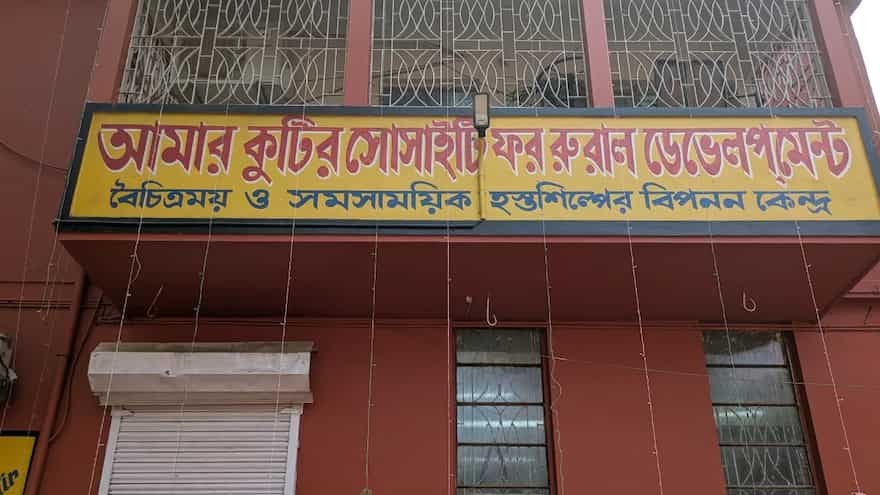 Image Credit: Saborni Saha
A visit to Visva-Bharati University helps you understand the legacy of Shantiniketan. Established by Maharshi Devendranath and Rabindranath Tagore, this central university has been a global icon of literary and educational excellence. His son, Rathindranath Tagore, later became the first vice-chancellor, which later turned into a national treasure dedicated to art, culture, and global learning. When you are here, it may leave you wondering how Rabindranath Tagore composed most of his poems, short stories and dramas sitting here in Shantiniketan. Right from ‘Je raate more duar guli vanglo jhore’ to ‘Purano shei din er katha’, how Tagore took every que from regular life and turned them into his creations, will leave you mesmerised.
As you walk through the dappled sunlight, the rhythmic beat of the Madol drum accompanies the earthy aroma of traditional food. From handmade pithe to steaming tea in clay cups, the culinary offerings of Bolpur are as authentic as the ‘Baul gaan’ and the tribal dance.
Baul Gaan, Bengali Food, Pithe-Puli In Makar Sankranti And The Treasures Of The Khoai, Bolpur
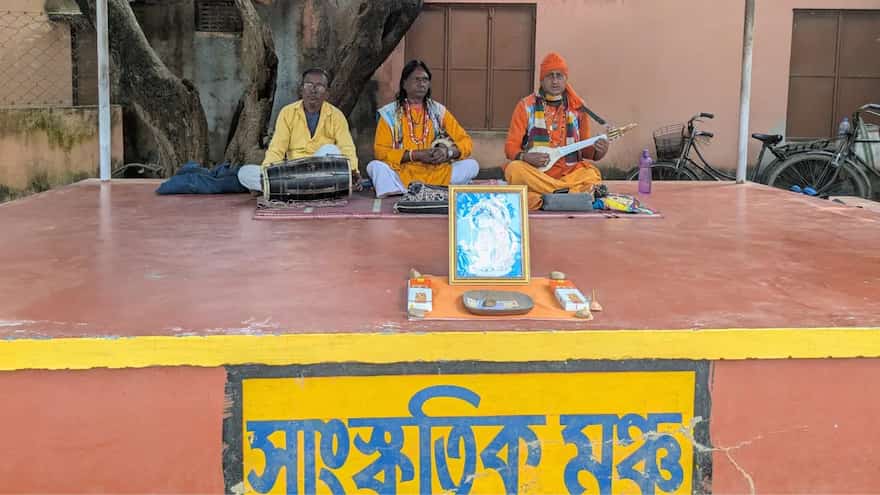 Image Credit: Saborni Saha
The atmosphere at Shonajhuri Haat is nothing short of magical. It is a cultural space where the "wandering music of the Bauls" takes the stage. As you wander, you are greeted by the vibrant Santhal tribal dance, where dancers move in perfect unison, their colourful attire enhancing the visual impact. The market itself has hundreds of options for accessories, ranging from intricate Dokra jewellery and wooden toys to the world-famous Kantha stitch sarees. Stalls are lined with batik-printed scarves, hand-stitched stoles, and sturdy leather bags, all crafted by local artisans.
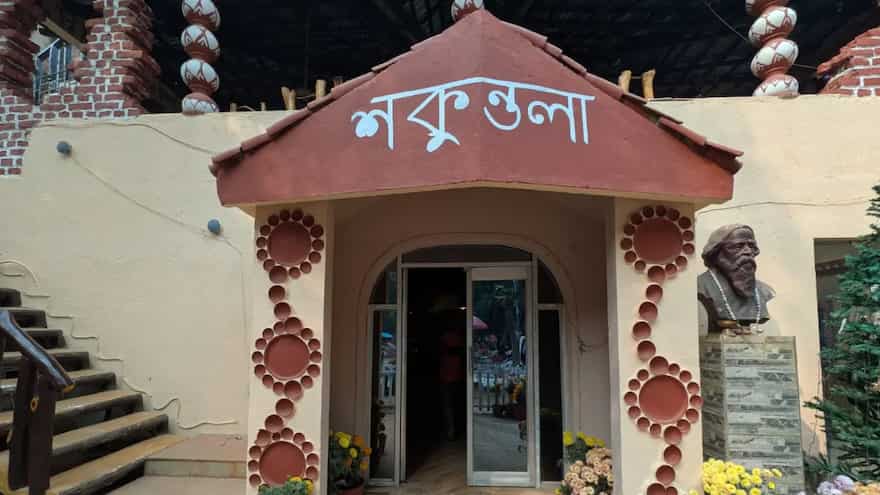 Image Credit: Saborni Saha
As mentioned by a seller from Shonajhuri haat, “The kurta, palazzo, shirts or bags, all you see here are our handmade products. We prepare these at home, and most of the pieces you will find here are hand-stitched. The colors and stitches are perfectly done so that they can stay intact for years. From cotton ajrakh prints to tribal paintings, handbags, wallets, sling bags, backpacks, and even mobile covers, you can purchase them from us. The price range starts from 25 INR. You will find us here on Saturdays and Sundays also, right from 12 in the morning till evening. We also export our products outside the state. You only need to send us your address and contact details as soon as the payment is made.”
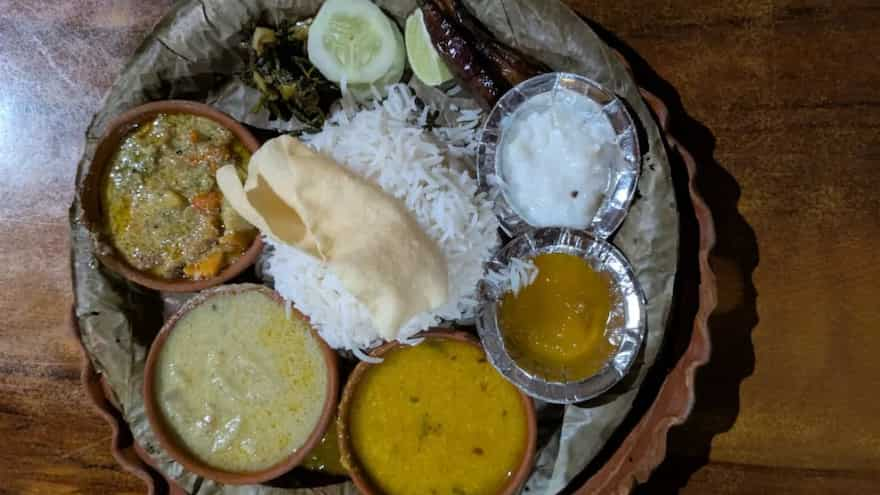 Image Credit: Saborni Saha
Other than the haat, Bolpur offers several gems. The Konkalimata Temple, one of the Shakti Peethas, is a spiritual starting point located 14 km from the town. Nature lovers should visit the Ballavpur Wildlife Sanctuary and Deer Park to see herds of deer in a lush forest, or sit by the Kopai River, which famously inspired Tagore’s poetry. For a brush with history, Konkalitola and the Uttarayan Complex are essential to visit. Uttarayan Complex houses Bichitra, a museum filled with Tagore’s manuscripts and personal belongings, alongside his five distinct houses: Udichi, Udayana, Konarka, Shamali, and Punascha. The massive Buddha Stupa maintained by the Ambedkar Buddhist Welfare Mission for a moment of quiet contemplation.
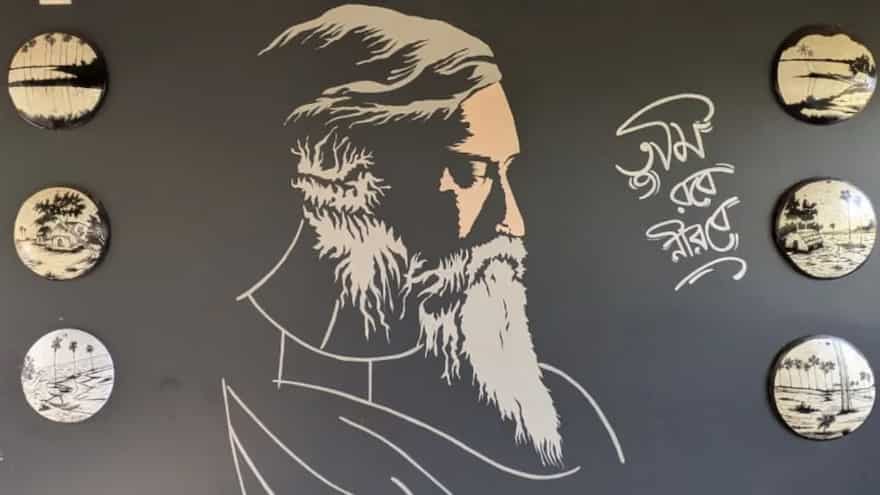 Image Credit: Saborni Saha
And one more must-visit place in Shantiniketan is Amar Kutir where you come across the most authentic handcrafted products, take it from diaries, earrings to wooden furniture. Everything you find here are made by the locals and have the most reasonable prices. Be it a cotton kurta, Khesh bedsheet or handmade musical instrument, you have hundrteds of options to purchase from.
Food and Sweets You Must Try In Bolpur This Makar Sankranti
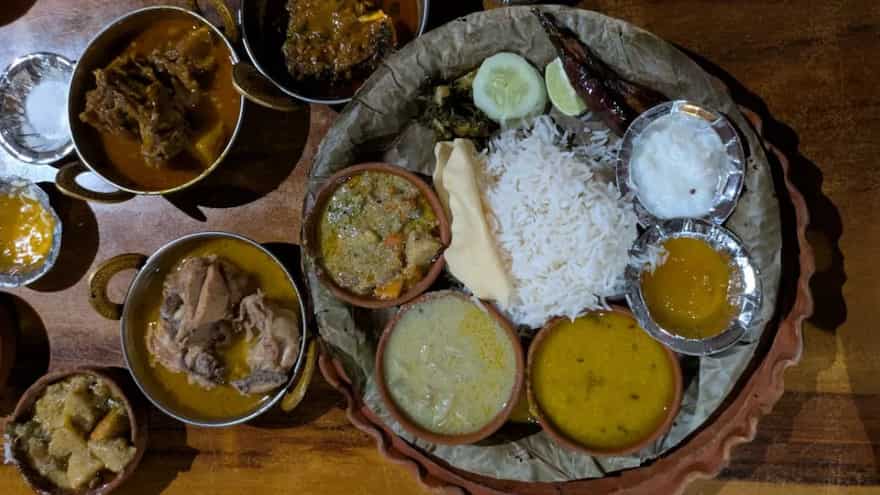 Image Credit: Saborni Saha
The traditional Bengali thali is a signature set meal in Bolpur, often served on brass or lotus plates. It features unlimited rice and a variety of vegetarian dishes. It is both affordable and filling, providing an authentic dining experience for visitors.
Aloo posto is a much-loved classic made of potatoes cooked with poppy seeds. This dish is considered a staple of the region, and many guests rave that it is to die for. It perfectly captures the simple, earthy flavours of Bengal.
 Image Credit: Saborni Saha
Shukto is a traditional vegetable medley that serves as an essential part of the Bengali thali. It offers a unique blend of flavours and is a healthy, cooling dish. It is a must-try for those seeking a truly authentic meal. “These Shukto we prepare here are made from the homegrown vegetables. We use no pesticides or any harmful chemicals. The taste remains earthy and original, with an authentic quality you won't find anywhere else. And Winter is the perfect time to enjoy different kinds of vegetables as well”, as mentioned by the local restaurant owner.
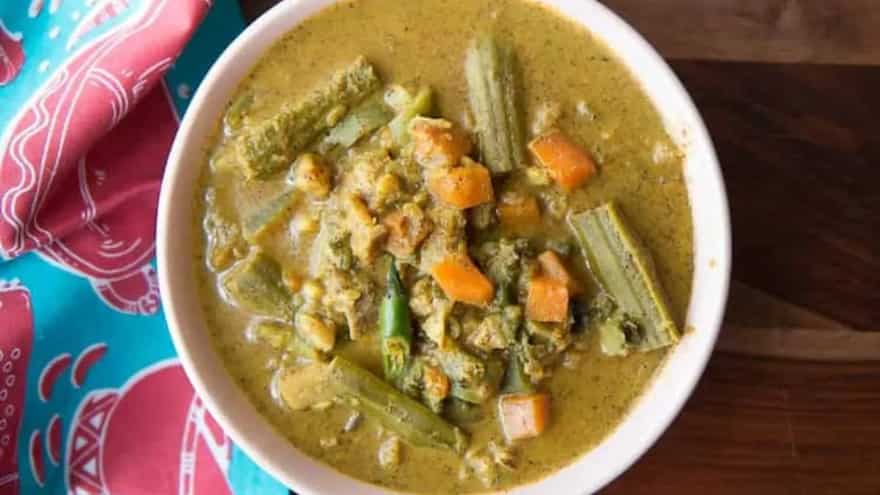 Image Credit: Saborni Saha
Begun vaja consists of thick slices of eggplant fried to a golden brown. This simple yet delicious side dish is a favourite accompaniment to dal and rice. Its soft texture and rich flavour make it a staple in local restaurants.
 Image Credit: Adobe Stock
Postor bora are rare Bengali treats made of poppy seed fritters. These small, crispy delights are highly recommended for their unique texture and taste. They offer a specialty flavour that is difficult to find outside of traditional Bengali kitchens in Bolpur.
Shona moong daal with veggies in it is a fragrant lentil dish made from high-quality yellow moong. It is a comforting part of the traditional thali and pairs beautifully with rice. The dish is known for its smooth texture and light, nutty aroma.
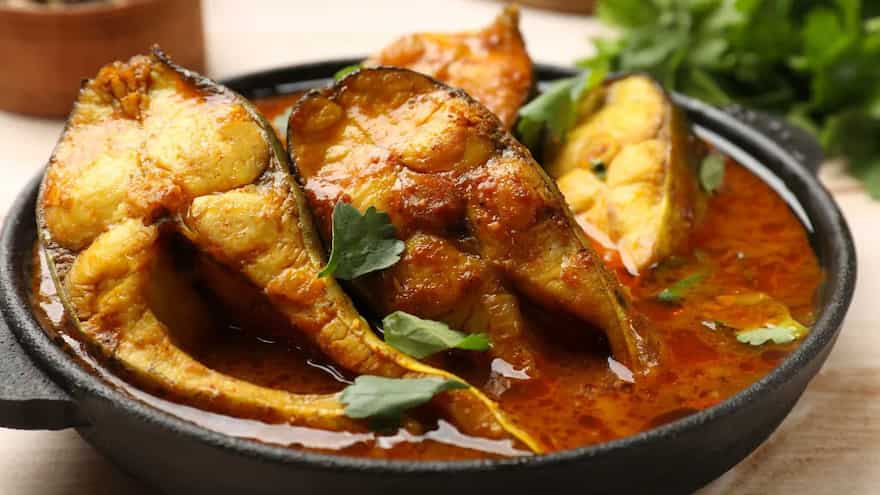 Image Credit: Adobe Stock
Katla kalia features big river carp served in a rich, Bengali-style curry. The fish is cooked with traditional spices to create a hearty and flavourful dish. It is a popular choice for seafood lovers visiting the local restaurants in Shantiniketan.
Mutton kosha, or kochi pathar jhol, is a tender mutton curry that is a traditional favourite. The slow-cooked meat is rich in flavour and spices. It is often served as a delicious add-on to the standard vegetarian Bengali thali.
Gandhoraj chicken curry is a flavourful homemade-style dish infused with the aromatic scent of the Gandhoraj lime. The feel of homemade food is intact in the first bite of this Gandhoraj chicken. This citrusy twist adds a refreshing layer to the tender chicken. It is a unique preparation that highlights the creativity of local cooking.
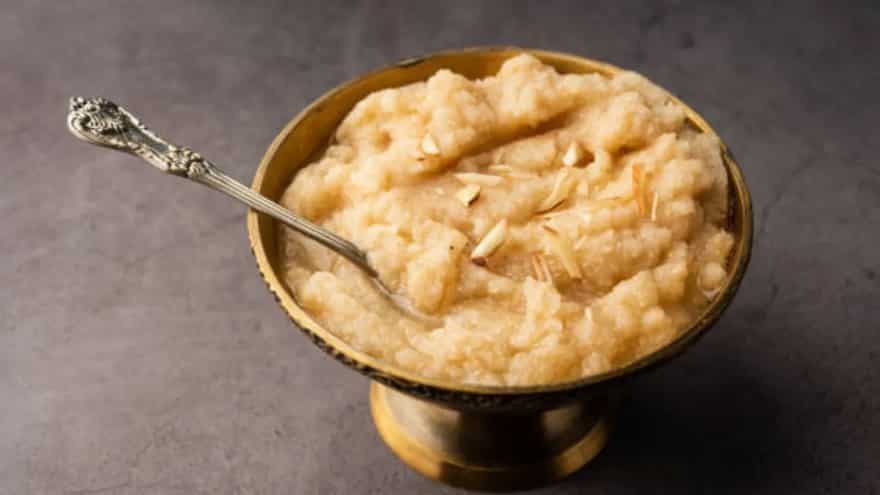 Image Credit: Adobe Stock
Paramanna, also known as payesh, is a traditional rice pudding giving a sweet ending to a meal. Made with milk, rice, and almost no sugar, it has a creamy and comforting mouthfeel that does not leave a sugary after taste.
Shantiniketan’s tradition is as storied as its literature, offering a wide range of "sweets to try" that cater to every palate. Whether you seek the seasonal warmth of harvest-time treats or the creamy indulgence of classic dairy desserts, the local "mishti dokan" provides an array of textures from dry and crunchy to soft and syrupy.
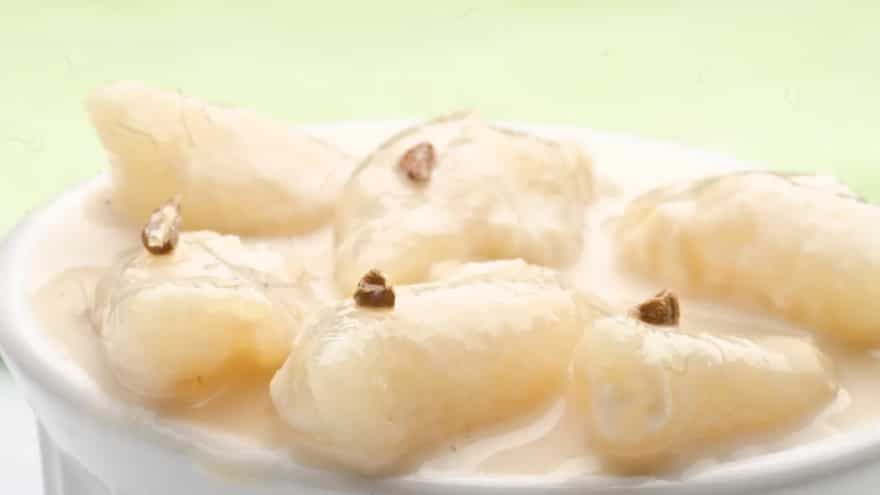 Image Credit: Adobe Stock
Patishapta is an authentic sweet dish made during the rice harvest festival. It consists of a thin rice paste crepe filled with khoya or coconut. The soft and sweet texture of this wrapped treat makes it an extraordinary local delicacy. “For every pithe puli utsav, we prepare huge amount of patishapta, dudh puli, moa, laal doi, khaja, nolen gur er mishti and kheerpuli. Everyday we prepare new batches of pithe puli and doi and visitors arrive in Bolpur from different places, even abroad. They love nolen gur er sandesh and pithe puli and the korapaak sandesh. We also send along with khejur gur to other states from here”, a local seller said to Slurrp.
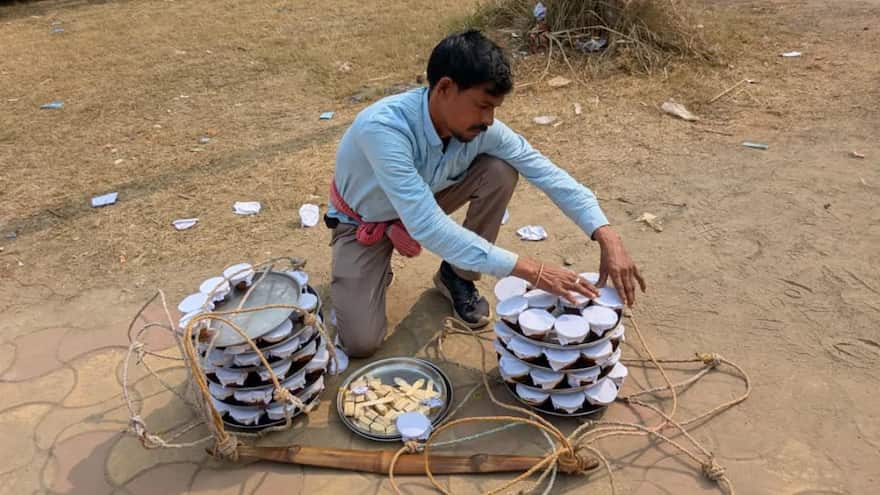 Image Credit: Saborni Saha
Joynagarer moa is a popular seasonal sweet made with Kanakchur Khoi, ghee, and gur. Its soft and distinctive texture makes it a fancy treat. It is primarily available from November to January, which enhances its rarity and special appeal.
Khaja is a sweet dish known for its crunchy and hard texture. Made from maida and ghee, it is deep-fried and soaked in sugar syrup. People in Bolpur particularly enjoy buying this sweet for its satisfying crunch during the mela.
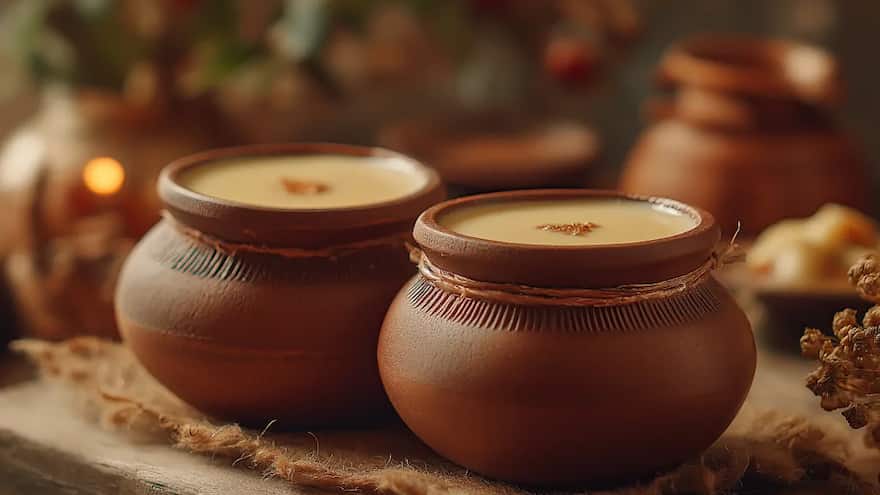 Image Credit: Saborni Saha
Labanga latika is known for its distinct folded appearance, held together by a single clove. It is made with maida, khoya, and coconut, then soaked in syrup. Its sweet smell and unique look have made it a favourite for many.
Laal doi is a sweet fermented curd mixed with sugar or jaggery. This common yet beloved Bengali dessert is different from plain yoghurt due to its preparation technique. It is often seasoned with cardamom and served at weddings or festivals. Sada doi is a sweetened white yoghurt that is a staple with Bengali meals. Often served in clay pots or matkas, it provides a cooling finish to a spicy thali.
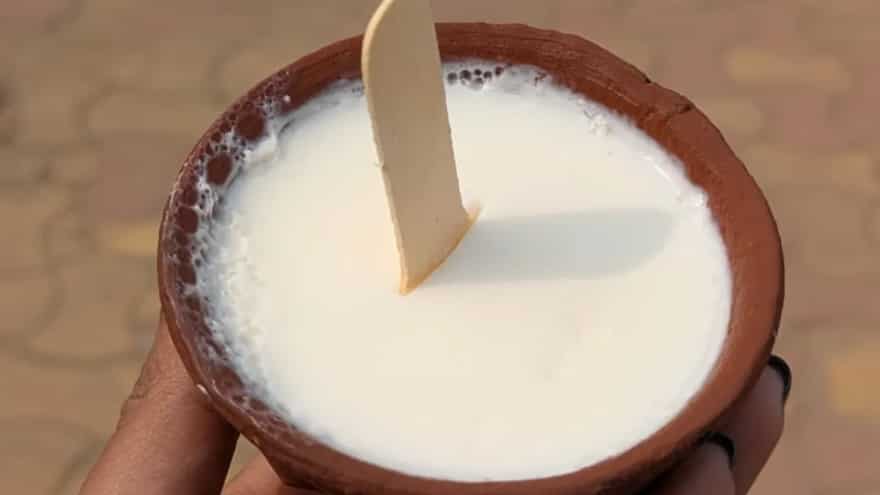 Image Credit: Saborni Saha
Rasmalai is a fancy and delicious sweet made of chhena soaked in creamy malai. Cardamom, saffron, and pistachios are added to enhance the taste and aroma. The heavenly, creamy texture makes it a must-have in Bolpur.
 Image Credit: Saborni Saha
So, this winter when you take your steps towards Bolpur, you can count on the folk songs, Santhal dance, handcrafted gifts, dokra, and rabindrasangeet along with pithepuli, nolen gur, laal doi and all the traditional Bengali delicacies. Tagore’s Shantiniketan has a whole different story to tell you just the way you want to interpret it!




