


 Share
Share

The festival of Makar Sankranti is more than a change in the sun’s direction; it is also a signal of a shift in kitchens across India. This year, it will be celebrated on January 14, 2026. As the winter season peaks and harvests arrive, food becomes warmer, richer, and richer with seasonal goodness. From the hot steaming khichdi bowl in the North to ghee-laden pongal in the South, every part of the country celebrates Sankranti through dishes that nourish the body and honour the bounty of earth. These recipes are not rushed, but they are slow-cooked, shared, and often prepared in large quantities that feed family, neighbours, and loved ones. Sesame, jaggery, rice, lentils, and winter vegetables take the centre stage because they warm the body from within.
Sankranti meals are prepared to keep you grounded after months of cold, to sit and enjoy in the sunlight, eat mindfully, and celebrate the abundance. Across India, the festival of Sankranti may have different names, but the emotions remain the same, i.e., gratitude, togetherness, and comfort that is served on a plate.
Khichdi, North & Central India
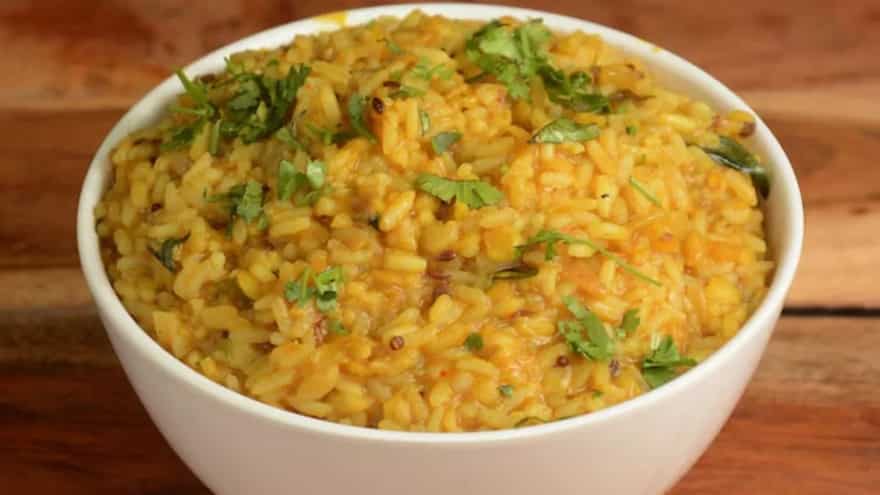
Makar Sankranti khichdi is not just about having food, but it is a pause button during the winter season. Rice and moong or urad dal are cooked with ghee, cumin, and turmeric, making a bowl that feels refreshing when enjoyed in warm sunlight, sitting on the terrace. Often enjoyed on Sankranti, khichdi is served with a side of chutney, a dollop of ghee and a side of tangy pickles. The softness goes perfectly with the winter digestion, whereas ghee delivers warmth and energy. People often prepare it in large quantities and share it with friends, families and loved ones. It is also sometimes offered as prasad, making khichdi a symbol of simplicity, gratitude for harvest, and seasonal balance.
(Image credit: Freepik)
Til-Gud Sweets, Maharashtra & North India
Sankranti cannot be imagined without indulging in til-gud sweets. Sesame seeds and jaggery are blended to make ladoos, gajak, or chikki, and every bite feels nutty, smoky, and extremely warming. Til-gud sweets are traditionally exchanged with neighbours and loved ones, representing warmth, gratitude and a feeling of sharing. The heat-generating feature of sesame seeds pairs flawlessly with the mineral-rich sweetness of jaggery, making it perfect for winter indulgence. Often enjoyed after meals or shared around bonfires, til-gud sweets honour both the harvest and the concept of togetherness during Makar Sankranti.
Also read: Jaggery Til Ladoo To Gud Papdi: The 8 Delightful Snacks For Makar Sankranti
Pongal, Tamil Nadu
In Tamil homes, Makar Sankranti changes into Pongal - a dish and a festival rolled into one. Rice and moong dal are cooked until it gets a creamy consistency, enriched with ghee, black pepper, cumin seeds, and some cashews. The savoury version is very common, which is eaten fresh in the morning. Pongal is outdoors and shared as a sign of prosperity and good fortune. Its peppery warmth and buttery softness make it an ideal winter delight that keeps the body warm while honouring nature’s cycles.

(Image credit: Freepik)
Pithe, West Bengal & Assam
On Sankranti, evenings in eastern India smell like rice flour, jaggery, and coconut. Pithe, which is a soft steamed or pan-cooked rice cake filled with molten jaggery and coconut stuffing, is a dessert that is soft, delicate, yet greatly satisfying. They are prepared leisurely, often as a family activity, because pithe is not a rushed food. Serve it warm with tea, and these treats celebrate the freshly harvested rice and newly formed jaggery. During Sankranti, pithe is a reminder of slow cooking, shared activity, and enjoying the seasonal ingredients that are at their freshest.
Undhiyu, Gujarat
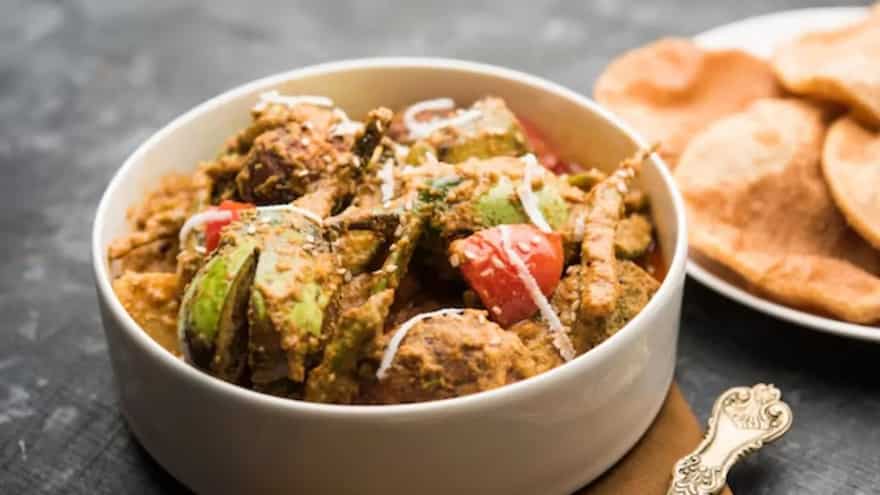
Undhiyu is a must-have Sankranti food in winter that is prepared with all the fresh yields. It is a slow-cooked vegetable mixture that uses seasonal produce such as purple yams, surti papdi, brinjals, and fenugreek dumplings, all covered in a spicy coconut masala. It is traditionally cooked upside-down - undhu and is enjoyed hot with puris and jaggery chutney. The dish recalls an abundance of vegetables, flavours, and celebration. On Sankranti, undhiyu is a joint meal, enjoyed outdoors after the kite flying enjoyment.
(Image credit: Freepik)




