


 Share
Share

Magnesium is one of the most vital minerals that is important for the human body, yet it is often overlooked in day-to-day nutrition intake. This mineral is important for muscle regulation, nerve signalling, energy production, and maintaining blood pressure. According to the National Institutes of Health (NIH) Office of Dietary Supplements, adult men need about 400–420 mg of magnesium every day, whereas adult women require 310–320 mg, depending on age.
However, the everyday diets fall short because refined grains and processed foods are sometimes used, which remove magnesium-rich components such as bran and germ during the processing.
Scientific research has increasingly shown why an adequate amount of magnesium intake is important. For example, an analysis from the NIH-AARP Diet and Health Study, published in the American Journal of Clinical Nutrition, discovered that those who had higher dietary magnesium intake were linked with a lower risk of having liver cancer in the long term.
The bright picture is that magnesium is naturally available in many day-to-day foods, right from leafy greens to seeds and whole grains, making it rather easy to increase the intake through mindful eating habits and choices.
Why Is Magnesium Important For The Human Body?
Magnesium plays a major role in maintaining normal body function. As per the NIH Office of Dietary Supplements, this mineral helps in regulating muscle contraction as well as relaxation, supports nerve communication, and contributes to maintaining a stable heartbeat.
Research has also linked higher magnesium intake with many long-term health outcomes. The Atherosclerosis Risk in Communities (ARIC) study, published in the European Journal of Preventive Cardiology, mentions that diets that are rich in magnesium-containing foods like nuts, vegetables, whole grains, and legumes were linked with a lower risk of cardiovascular disease.
Another reason magnesium matters is its role in energy metabolism. The body utilises magnesium to transform carbohydrates, fats, and proteins into functional energy, which is why low intake can sometimes result in fatigue or muscle weakness, says the study.
Magnesium also contributes to bone health and overall metabolic balance, as it works closely with calcium and vitamin D
Magnesium-Rich Foods That You Can Add To Your Diet
Listed below are some magnesium-rich foods that you can easily add to your daily diet without altering your eating habits:
Pumpkin Seeds
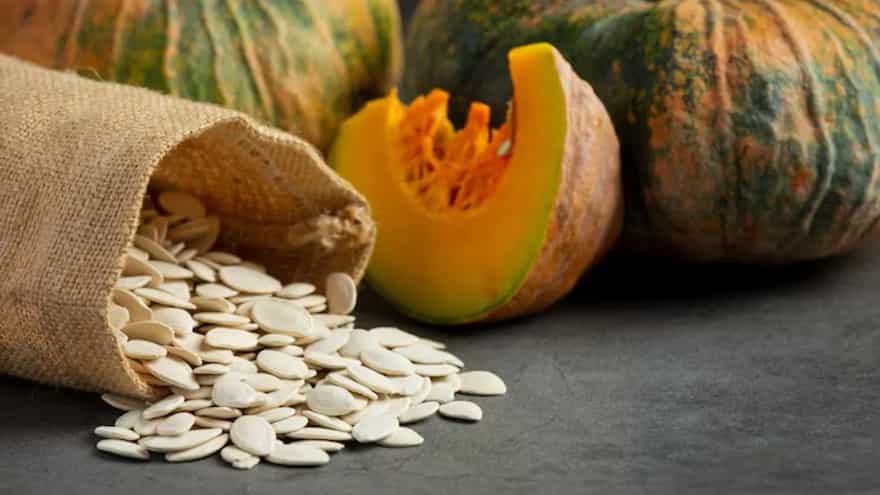
Pumpkin seeds are among the most potent sources of magnesium. As per the study published in the NIH Office of Dietary Supplements, just one ounce of roasted pumpkin seeds can provide up to 156 mg of magnesium, which counts for approximately 37% of the day-to-day requirement.
Beyond their mineral content, pumpkin seeds also have plant protein, healthy fats, and fibre that support overall metabolic health. The easiest way to add them to your everyday meals is by simply sprinkling them over a bowl of yoghurt, over salads, or over oatmeal. You can also lightly roast them with spices and eat them simply as a snack. Because they are nutrient-dense, pumpkin seeds are a useful way to boost your everyday magnesium intake.
(Credits: Freepik)
Spinach And Leafy Greens
Leafy greens are the most trustworthy plant sources of magnesium. A half-cup serving of cooked spinach delivers about 78 mg of magnesium, making it one of the most uncomplicated vegetables to add to your daily meals. Simply add spinach to dal, curries, smoothies, or even stir-fries to let the body benefit from both magnesium and other nutrients such as iron and vitamin K.
Almonds And Nuts
Nuts are another easy way to increase magnesium consumption. As per the nutritional data cited in research summaries, one ounce of almonds gives roughly 76–80 mg of magnesium, with healthy monounsaturated fats.
Because nuts need no cooking, they make easy food options to add to everyday diets. Almonds can be eaten as a snack, can be added to breakfast cereals, mixed into smoothies, or used in savoury dishes such as pulao and vegetable stir-fries. Many population-based nutrition studies show that diets having nuts and seeds tend to be linked with improved metabolic health, partially due to their magnesium, fibre, and antioxidant content.

(Credits: Freepik)
Whole Grains
Whole grains like brown rice, oats, and whole wheat have significantly more magnesium than any refined grains. During the grain processing, the outer bran and germ, where most minerals are concentrated, are often removed, which significantly reduces the magnesium levels.
Including whole grains in daily meals can slowly improve the magnesium intake without requiring any special ingredients. Brown rice instead of white rice, whole-wheat rotis in place of refined flour breads, or oats at breakfast are small alterations that help restore some of the minerals that are lost during modern food processing.
Legumes And Beans
Legumes, such as black beans (rajma), chickpeas, lentils, and edamame, are another useful source of magnesium. For example, one cup of cooked black beans has about 120 mg of magnesium, making them a significant contributor to everyday mineral intake.
Legumes are also rich in plant protein, fibre, and complex carbohydrates, making them nutritionally balanced options. In everyday cooking, beans and lentils can be added to soups, dals, salads, and stews. Legumes are affordable and easily available, making them one of the most available dietary sources of minerals in many traditional diets.

(Credits: Freepik)




