


 Share
Share

The culinary map of Uttar Pradesh is far more expansive than any single official list can capture. While recent government initiatives have spotlighted the state's incredible vegetarian snacks, the non-vegetarian legacy remains the soul of its history. To get the full picture, Slurrp spoke with two titans of the industry: Sheeba Jairajpuri, a renowned culinary researcher and co-founder of Naimat Khana, and Chef Mukhtar Qureshi of Waarsa. While Sheeba brings a deep historical perspective on the domestic and royal flavours of Awadh, Chef Mukhtar provides the professional expertise of a kitchen veteran. "While the official lists celebrate our vibrant vegetarian culture, the meat-based legacy of Uttar Pradesh is an integral part of our identity that cannot be ignored," Sheeba explains. "It is a repertoire built on patience, where the flame is as important as the spice." Chef Mukhtar agrees, noting that Uttar Pradesh food is entirely distinct from Mughlai food. He points out that while Mughlai covers most of the Delhi style, Uttar Pradesh has its own unique way of cooking, seasoning, and preparing dishes.
The Top 20 Non Vegetarian Dishes Of Uttar Pradesh
1. Galawat Ke Kebab (Lucknow)
The ultimate icon of Awadhi refinement, these kebabs date back to the times of the Nawabs. Chef Mukhtar highlights them as a premier legacy dish, crafted from finely minced meat and a secret blend of spices to melt in the mouth.
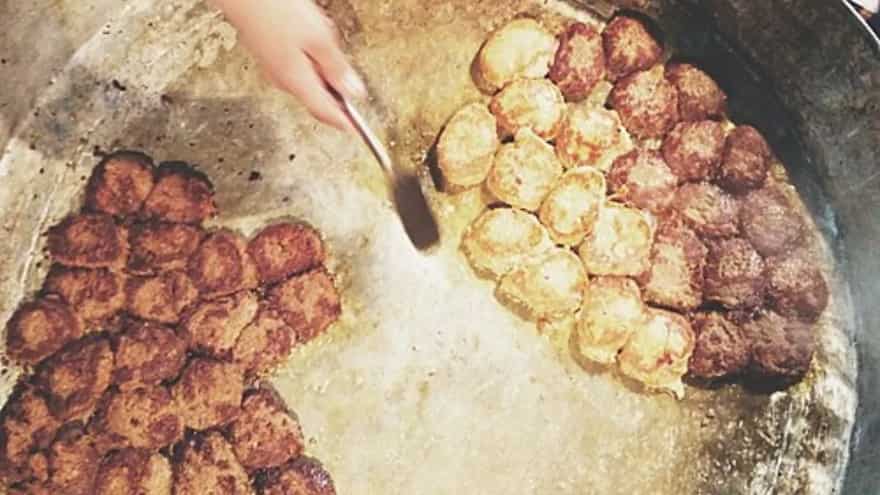
Image credit: Wikimedia Commons
2. Nihari (Lucknow)
Chef Mukhtar lists this as a cornerstone of the UP kitchen. This slow-cooked meat stew is the breakfast of champions, simmered overnight with bone marrow and rich spices until it is hearty and flavourful.
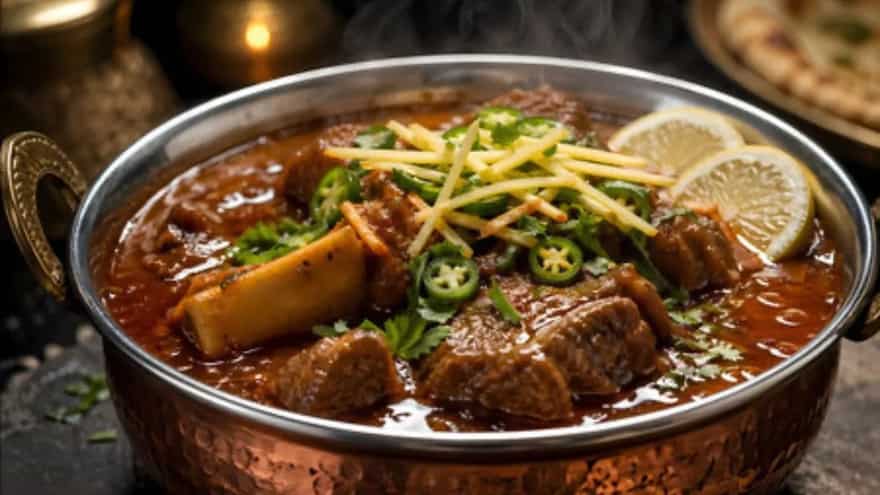
Image credit: Adobe Stock
3. Bandh Gosht (Lucknow)
A classic highlighted by Chef Mukhtar, this dish is cooked in a sealed environment to trap all the juices and aromas. It is a masterclass in the "dum" style of cooking that defines the region.
4. Awadhi Biryani (Lucknow)
This biryani is lighter and more aromatic than its southern counterparts. The meat and rice are cooked separately and then layered with saffron and mild spices, prioritising fragrance over oil.
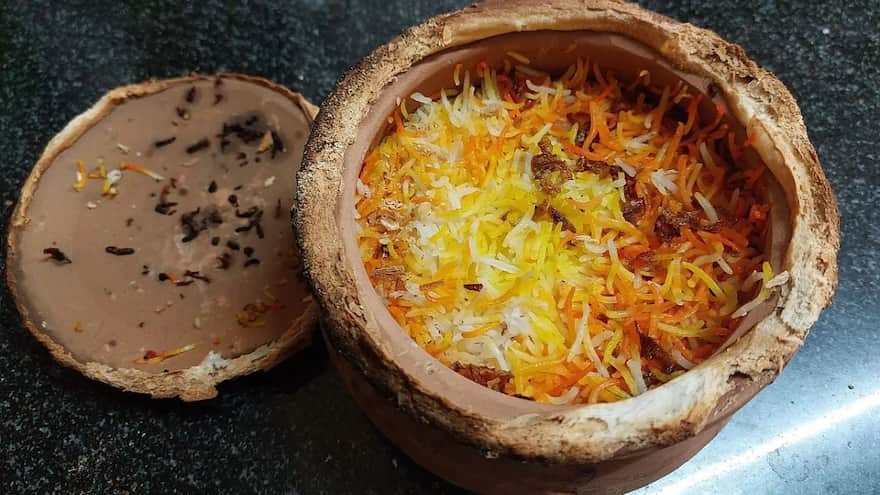
Image credit: Wikimedia Commons
5. Kakori Kebab (Kakori)
Hailing from a small town near Lucknow, these are considered the softest seekh kebabs in the world. They use hand-chopped meat and a specific spice blend that includes rose petals and sandalwood.
6. Rampuri Mutton Tar Korma (Rampur)
Rampur’s version of korma is famous for its "tar" or the layer of oil that carries the essence of the spices. It is richer and more robust than the Lucknowi version, often using dry fruits for added depth.
7. Rampuri Fish Curry (Rampur)
A rare non-mutton star, this curry uses mustard oil and tamarind to create a tangy profile. It is a reminder that the royal kitchens of Rampur were experimental and diverse.
8. Moradabadi Biryani (Moradabad)
Unlike the saffron-heavy versions, this biryani is famously pale, spicier, and less oily. Chef Mukhtar identifies Moradabad as one of the best districts for non-vegetarian food.
9. Bhuna Gosht (Western UP)
A dry-style mutton preparation where the meat is browned and cooked down with onions and garlic until the masala coats the pieces. It is spicier and reflects the rustic tastes of Meerut and Muzaffarnagar.
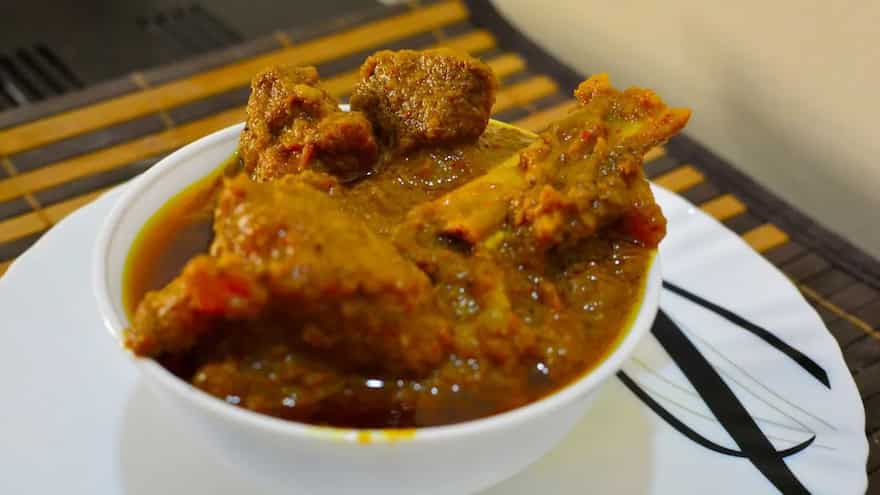 Image credit: Wikimedia Commons
10. Seekh Paratha with Mince (Aligarh)
A staple of the university town's street food scene, this consists of spicy minced meat served with crispy, layered parathas. It is hearty, affordable, and incredibly satisfying.
11. Yakhni Pulao (Lucknow)
In this dish, the meat is boiled with whole spices to create a fragrant stock (yakhni), which is then used to cook the rice. It is subtle, light, and deeply aromatic.
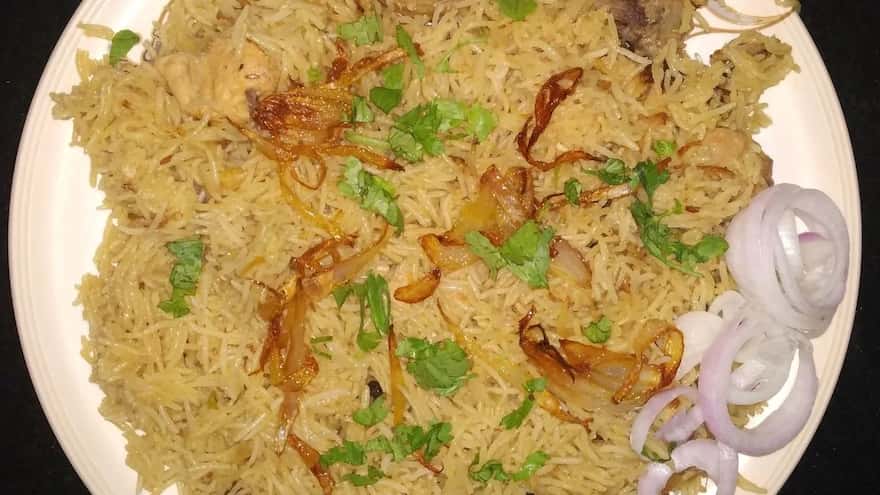
Image credit: Wikimedia Commons
12. Paya (Lucknow & Rampur)
Trotters cooked for several hours until the collagen creates a silky, spiced broth. It is a winter staple, often served in the early hours of the morning.
13. Mutton Pasande (Lucknow & Agra)
Chef Mukhtar picks these as a must-try. Derived from the word "pasand" or favourite, these are flattened strips of meat marinated in yogurt and slow-cooked until tender.
14. Shami Kebab (Statewide)
A household favourite picked by Chef Mukhtar, these are pan-fried patties made of minced meat and chana dal. They have a silky texture and are often stuffed with chopped onions.

Image credit: Wikimedia Commons
15. Nargisi Kofta (Lucknow)
The Indian ancestor of the Scotch egg, this dish features hard-boiled eggs encased in a layer of spiced minced meat, served in a rich, velvety gravy.
16. Tameer Musallam (Heritage)
Chef Mukhtar points to "Musallam" dishes as part of the state's "Shikari" or hunter-style cooking legacy. Tither (Partridge) Musallam is a whole bird slow-roasted in a rich spice-heavy gravy.
17. Khargosh Musallam (Heritage)
Another hunter-style dish noted by Chef Mukhtar, this features whole rabbit cooked with traditional spices. It represents the rustic, adventurous side of UP’s meat history.
18. Doodhiya Biryani (Rampur)
A unique rice preparation from the Rampur royal kitchens where milk is used to cook the grains, resulting in a creamy, white, and incredibly subtle biryani.
19. Murgh Musallam (Lucknow & Agra)
A whole chicken stuffed with eggs and minced meat, then slow-roasted in a spice-rich gravy. It was a showpiece dish for royal banquets.
20. Bundeli Gosht (Bundelkhand)
A rural specialty from the southern part of the state, this meat dish is cooked with local herbs and is much more rustic and fiery than the courtly food of the north.
The Underrated Majesty Of Rampur
While Lucknow is the global face of UP's food, Rampur is its most underrated culinary district. Sitting between Delhi and Lucknow, it blends the finesse of the Nawabs with a more rustic, Afghan-influenced robustness. "Rampur is where you go when you want to taste the transition of history," says Sheeba. The use of whole spices and a heavier hand with ingredients like mace and nutmeg gives Rampuri food a distinct, earthier character.
Awadhi Vs Mughlai: A Study In Nazaakat
Many people confuse these two styles, but they are fundamentally different. Mughlai food, rooted in the imperial kitchens of Delhi, is bold and indulgent, using lots of cream, butter, and nuts. Awadhi food, however, is built on the concept of "nazaakat" or delicacy. "The spice should enhance the meat, not mask it," Sheeba notes. "It is about restraint and elegance. Awadhi food relies on slow-cooking techniques like 'dum' to let the ingredients speak for themselves."
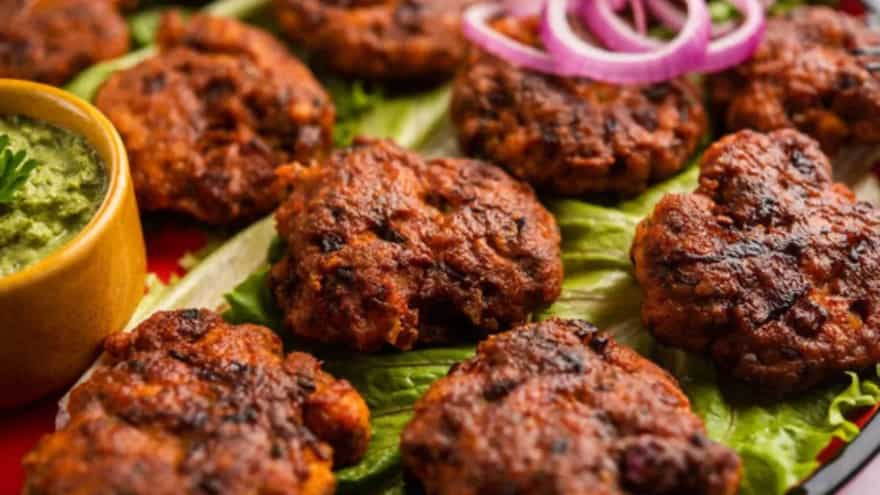 Image credit: Adobe Stock
Fading Gems Of The Heritage Kitchen
As the pace of life quickens, many labour-intensive dishes are disappearing. Chef Mukhtar notes that it is mostly the sweet dishes and elaborate "Musallam" preparations that are fading from both home kitchens and restaurants. He points to Muzaffar Ki Sewaiya, Chawal Ka Zarda, Pineapple Muttanjah, and Rasawal Ka Muzaffar as traditional sweets that are becoming harder to find. These were the grand finales to the heavy meat feasts of the past. Similarly, the authentic Yakhni Pulao is being replaced by quicker, oily biryanis. The Warqi Paratha, which requires hours of skilled folding, is becoming a rarity. Even the true Kakori Kebab is often compromised with machine-minced meat instead of the traditional hand-chopped variety. "We are losing the 'thehraav' or the stillness required for this kind of cooking," Sheeba warns. Preserving these twenty dishes is not just about flavour: it is about keeping a historical legacy alive for the next generation of food lovers.




