


 Share
Share

The festival of Lohri will be observed on January 13 this year. It is not just celebrated by bonfires and folk songs, but it is deeply embedded in what lands on the plate. Every bite eaten on Lohri has the warmth of winter, the beat of the harvest, and the wisdom of seasonal eating. This is the festival where food is usable before it is festive. Ingredients such as sesame, jaggery, cornmeal, mustard greens, and peanuts are selected not for enjoyment alone, but because they also keep the body warm, nourished, and ready for cold winter days. Unlike the modern celebrations that are driven by luxury, Lohri food remains simple, natural, and purposeful.
Shared with friends and families around crackling fires and passed hand-to-hand, these dishes change simple grains and sweets to symbols of gratitude, abundance, and community.
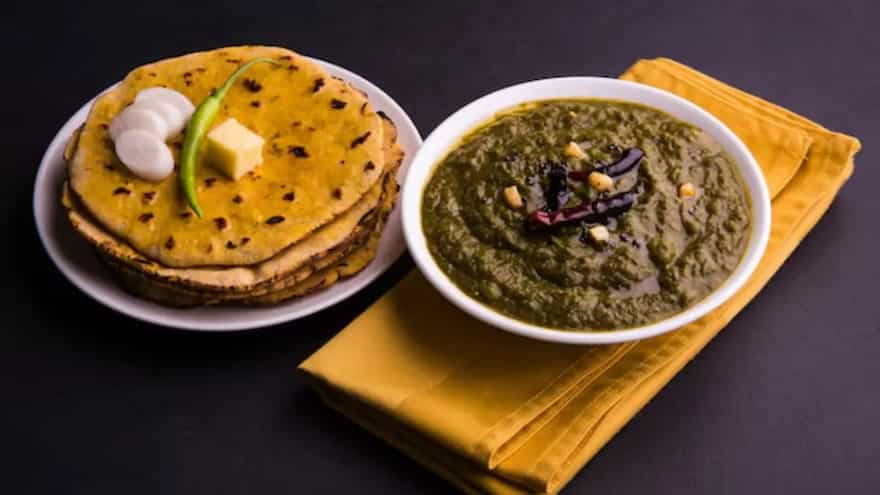
Sarson Da Saag & Makki Di Roti
No Lohri celebration can feel complete without this iconic food. Sarson da saag, slow-cooked with other seasonal greens, garlic, and ghee, symbolises warmth, abundance, as well as winter nourishment. Pairing it with makki di roti celebrates the winter harvest and the agricultural roots. This meal is hearty and full of seasonal goodness that keeps the body warm during the peak winter season. Enjoying it on Lohri is not only about tradition, but is also metaphorical of gratitude for the harvest season, spending time with loved ones, and the comforting foods that keep our body warm from within.
(Image credit: Freepik)
Til Laddoos
Til laddoos are the star of the Lohri celebration because sesame seeds are a powerhouse of winter goodness. Rich in healthy fats and having warmth-giving properties, til or sesame shields the body from the cold winter and maintains energy levels. The laddoos are traditionally offered around the bonfire, representing unity and shared wealth. The nutty crunch, when paired with jaggery’s earthy sweetness, makes it both celebratory and functional. On the occasion of Lohri, til laddoos define the balance between indulgence and nourishment, sweet enough to celebrate joy and practical enough to maintain the seasonal wellness.
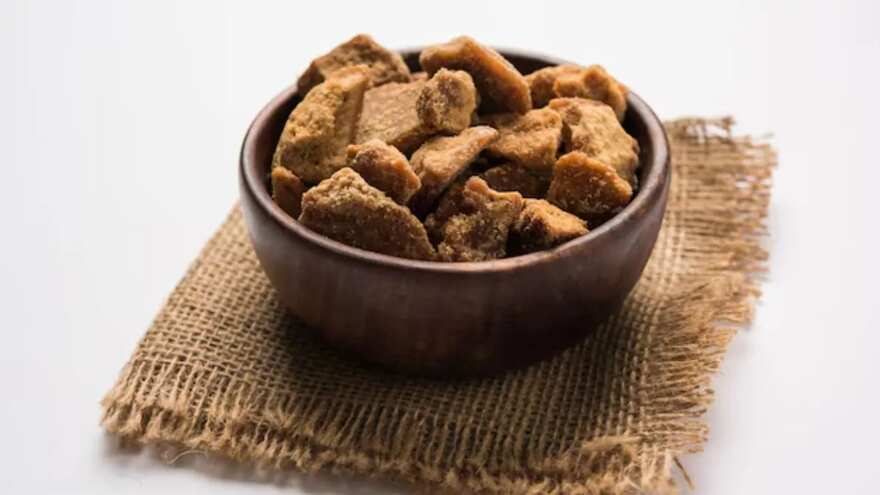
Gur (Jaggery)
Jaggery is more than just a sweet on Lohri; it is a symbol of purity, warmth, and regeneration. Prepared from freshly harvested sugarcane, gur or jaggery connects the festival directly. Consumed as it is or with some roasted peanuts and popcorn, it helps in digestion and keeps the body warm during the cold winter season. Passing around gur during Lohri symbolises sharing happiness and forming the new agricultural cycle on a sweet note. Its deep, caramel-like flavour reflects the earthy spirit of the festival in its truest form.
(Image credit: Freepik)
Rewari & Gajak
Crunchy, sesame-filled rewari and gajak are festive staples that are shared and exchanged among families, friends and neighbours during the festival of Lohri. Prepared with til, jaggery, and ghee, these sweets are prepared for winter strength and warmth. Their long shelf life makes them ideal for sharing, gifting, and storing throughout the cold season. Traditionally linked with weddings and new beginnings, rewari and gajak represent prosperity and celebration. On Lohri, rewari and gajak add texture, crunch, and memories that taste like winter evenings, full of laughter and shared memories.
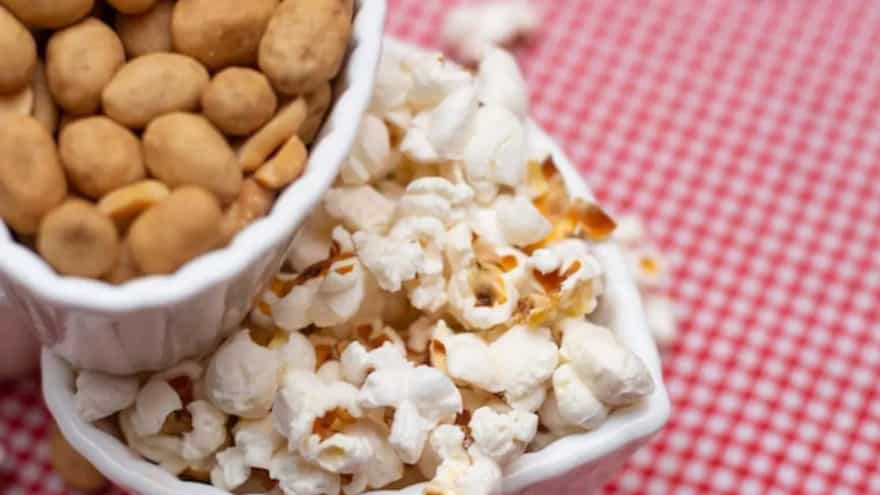
Peanuts & Popcorn (Moongphali & Phoolian)
Roasted peanuts and popcorn are offered in the Lohri bonfire as a token of thanks for the harvest season. Simple but meaningful, they symbolise abundance and community sharing. Peanuts deliver warmth as well as protein, whereas popcorn adds lightness and crunch. Enjoying them together represents the spirit of Lohri, i.e. simple foods promoted by togetherness. A platter of moongphali and phoolian passed around the fire turns simple everyday snacks into a ritual, marking the celebration in simplicity, warmth, and communal joy.
(Image credit: Freepik)




