


 Share
Share

In preparation for Easter, which is regarded as the most significant holiday on the Christian calendar, millions of Christians around the world observe Lent, 40 days of prayer, fasting, introspection, and sacrifice. The Lenten season, which starts on Ash Wednesday, is a reflection of the 40 days that Jesus Christ fasted in the wilderness before starting his public ministry, according to the Bible. This year, Lent is from the 18th of February to the 2nd of April. The Old English word ‘lencten’, which means spring, is where the term ‘Lent’ originates. The fundamental principles of Lent have not changed over many centuries, despite changes in customs and practices. Many Christians today observe Lent by giving up some comforts or routines, going to more worship sessions, and doing deeds of kindness and charity.

Image Credit: Wikimedia Commons
Holy Week, which encompasses Palm Sunday, Maundy Thursday, Good Friday, and the celebration of Jesus' resurrection on Easter Sunday, marks the end of the time frame. Eastern Orthodox churches utilise the Julian calendar for their religious calendar; the dates listed above do not apply to them. Great Lent 2026 for this group of Christians starts on the 23rd of February and ends on the 11th of April. There are a few things to keep in mind while following the religious traditions and rituals throughout the 40 days. Here are the dos and don’ts you need to keep in mind:
Eating One Meal A Day Without Meat
Catholics fast on Ash Wednesday and Good Friday, which means they consume fewer meals than normal. The majority of adults stop snacking and typically only eat one large meal and two smaller ones during the day. Additionally, adult Catholics over 14 refrain from eating meat on Ash Wednesday, Good Friday, and every Friday during Lent. Nowadays, eating lamb, chicken, hog, gammon, deer and most other meats is forbidden. But grains, fish, eggs, milk, and fruits and vegetables are all acceptable.
Who Are Exempt From These Rules?
There are some exceptions. For instance, the fasting requirements of Lent do not apply to pregnant women, the elderly, the sick, or the very young. A lot of people also abstain from something for the duration of Lent. Some Catholics give up a favourite treat, such as chicken or chocolate, while others give up a habit, such as watching TV. If you are giving up meat or food for Lent, you will not be able to eat this food for Ash Wednesday and the 40 days following.
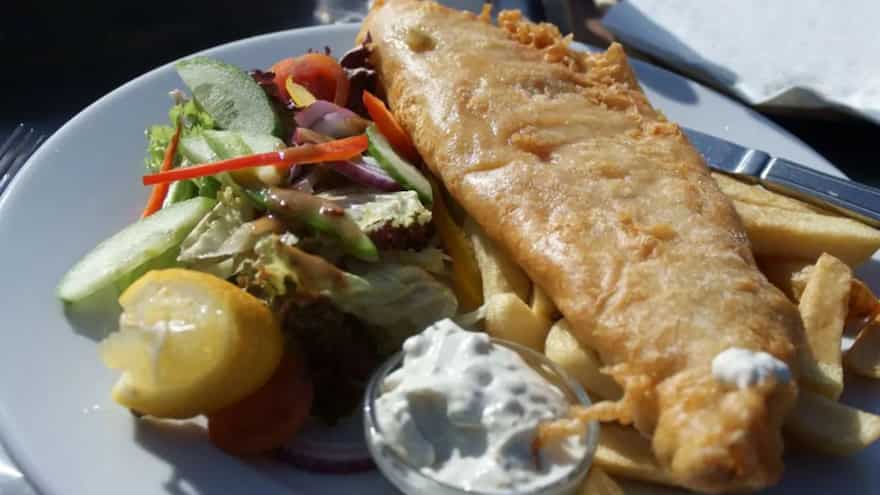
Image Credit: Wikimedia Commons
It Is Better To Avoid Meat On Good Friday
On the one hand, Lent comes to a conclusion on Good Friday, which is a part of the Easter Triduum. However, like with the Fridays of Lent, it is recommended to avoid meat because Good Friday itself is a day of abstinence. Your local church's fish fry is a great choice for Fridays during Lent since it serves fish rather than meat. A simple supper at your church is likely a better choice than a sumptuous seafood feast at a fancy restaurant because the Lent season is one that is based on penance.
What Are You Allowed To Drink?
During Lent, the standard guidelines for fasting before Communion, which include skipping meals an hour before Mass, apply. Other than that, coffee, tea, and soda are acceptable because there are no particular regulations pertaining to liquids. If a smoothie is considered a meal, it most likely qualifies as food. Alcohol consumption is not expressly restricted by the church. The best judgment is that of the individual.

Image Credit: Pexels
Fasting is more about developing an attitude of self-discipline, humility, and unity with Christ's sacrifice than it is about the particulars of the diet. To engage in the Lenten journey, think about different types of penance or prayerful sacrifice if your health or other circumstances prevent you from adhering to these rules.




