


 Share
Share

The region of Alsace, which lies between France and Germany, is well known for its distinctive culinary legacy, which combines German heartiness with French elegance. Seasonal fruit, handcrafted breads, and pastries that strike a balance between richness and nuance are highlighted in its local cuisine. Its festive foods, which range from sweet cakes to savoury tarts, showcase a society that values tradition, family, and get-togethers. Over time, these culinary gems have spread outside of the border, sparking international culinary events and opening up Alsace's flavours to foodies everywhere.
One such classic creation is the Kugelhopf, a bittersweet, yeast-raised cake studded with fruits, nuts, or chocolate and baked in a tall, round fluted pan with a central funnel. The German term Kugelhopf means "tube" or "ring cake," however, it is not the same as the American-style ring cake, which rises using baking soda or powder. This festive cake combines tradition and mouthwatering flavour, and is typically produced for celebrations and finished with a sprinkling of powdered sugar.
History Of The Kugelhopf
It dates back to the early 1500s and is typically finished with a dusting of powdered sugar and studded with fruits, nuts, or chocolate. Although its precise origins are disputed, legend holds that a baker by the name of Kugel invented it for kings. What sets Kugelhopf apart is its baking method. The yeast gives it a soft, airy texture and subtle flavour, unlike modern ring cakes that use baking powder or soda. A centrepiece for festivities and a sensory delight, each slice has a subtle sweetness and a hint of history.
Because these ingredients were widely available in the 16th century, the cake was both practical and well-liked at the time. For instance, icing sugar had recently been created and was starting to become widely accessible. Although many recipes now use baking powder instead of yeast to facilitate rising, the classic yeast version still gives the cake the delicate, airy texture that bakers adore.
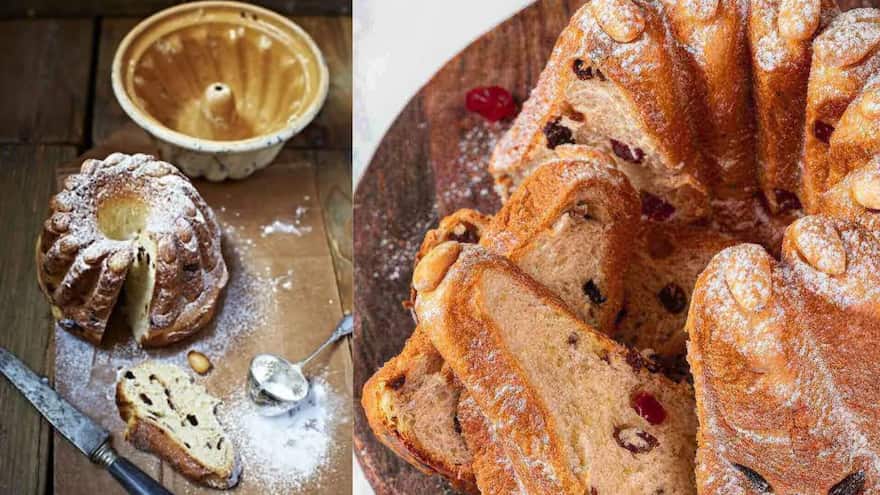
Image Credit: Pixabay
One of the most important parts of Kugelhopf is its pan. The tall, fluted ring pan with a central funnel was expensive and hand-made, so the cake was often reserved for celebrations or for the wealthy. Today, these pans are easy to find, making Kugelhopf much more popular and accessible. Its beautiful shape and rich, tender crumb continue to delight home bakers and professionals alike, keeping centuries of baking tradition alive.
Another local story mentions the cake is mentioned in seventeenth-century cookbooks, and in the eighteenth century, Marie Antoinette is said to have introduced it from Austria to the kitchens of Versailles. During Vienna's Biedermeier era (1815–1848), the cake experienced a great renaissance and expanded throughout the Austro-Hungarian Empire. Kaiser Franz Joseph I, who frequently had Kugelhopf for breakfast at his summer home in Bad Ischl and occasionally had it specially sent from the renowned Konditorei Zauner, was one of its biggest admirers. If the Kaiser found it satisfactory, the middle class in Vienna soon saw it as a status symbol. The Kugelhopf, which can be found in many supermarkets and bakeries today, has endured because of its simplicity as long as you have the tin to make it in!
It can be eaten on its own, sliced and buttered, or served heated with coffee. Its towering, graceful form and festive appearance serve as a focal point for events, and its flavourful, delicate crumb entices diners to return slice after slice.
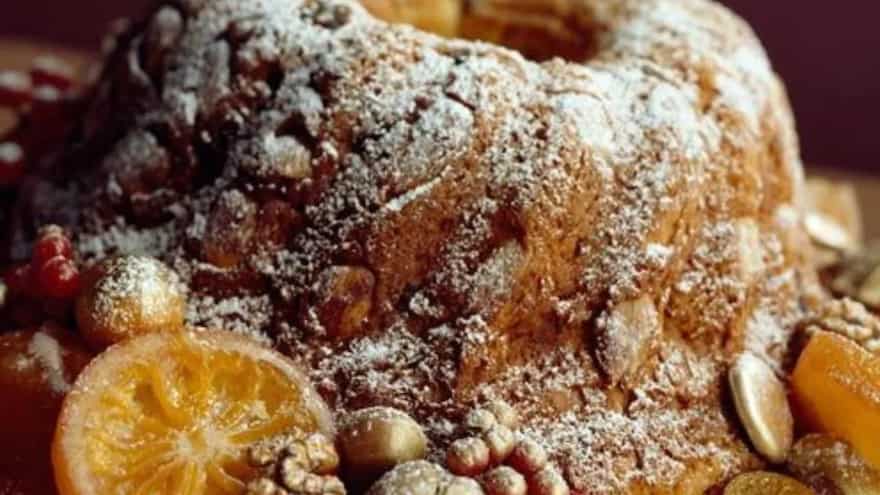
Image Credit: Unsplash
The Popularity Of Kugelhopf Today
Originally a local favourite, the Kugelhopf is now admired worldwide. Bakers have contributed their own touches from their hometown kitchens to cafes across the United States, Europe, and beyond. Some experiment with glazes and toppings, while others add chocolate, almonds, or dried fruits. The American bundt cake, which has a similar shape but is a little sweeter and easier to create, was even influenced by it. Every slice of Kugelhopf is a celebration. Whether it's for a weekend gathering, a holiday, or a birthday, it's the kind of dessert that unites people. Its tall, fluted shape, soft crumb, and festive vibe have made it a symbol of joy, and it keeps winning hearts in kitchens across the globe.
Baking Kugelhopf At Home
The first step in making Kugelhopf at home is to make a soft, creamy yeast dough. Mix flour and dry yeast with butter, sugar, eggs, and a little milk; knead until smooth and elastic. For the dough to have a light, airy texture, let it rest and rise in a warm place until it doubles in size. To add a little surprise to each bite, carefully fold in your preferred add-ins, such as chocolate chunks, chopped almonds, or plump raisins.
Grease and lightly dust a fluted Kugelhopf pan with flour or sugar. After adding the dough and evenly spreading it, let it rise once more until it fills the pan. Preheat the oven and bake until aromatic and golden brown. After the cake has cooled, remove it from the pan and sprinkle it with powdered sugar or a basic glaze. The finished product is a gorgeous, festive cake with a delicate, tender crumb that's ideal for breakfast, brunch, or sharing with loved ones. You can also experiment with new flavours at home. Some of them are, as follows:
Chocolate Kugelhopf
The classic is given a rich, decadent twist by the Chocolate Kugelhopf. Each slice has a rich, rich flavour thanks to the folding of chocolate chips and cocoa into the soft, fluffy dough. It's a dish that seems both opulent and cosy when topped with a little glaze or chocolate drizzle.
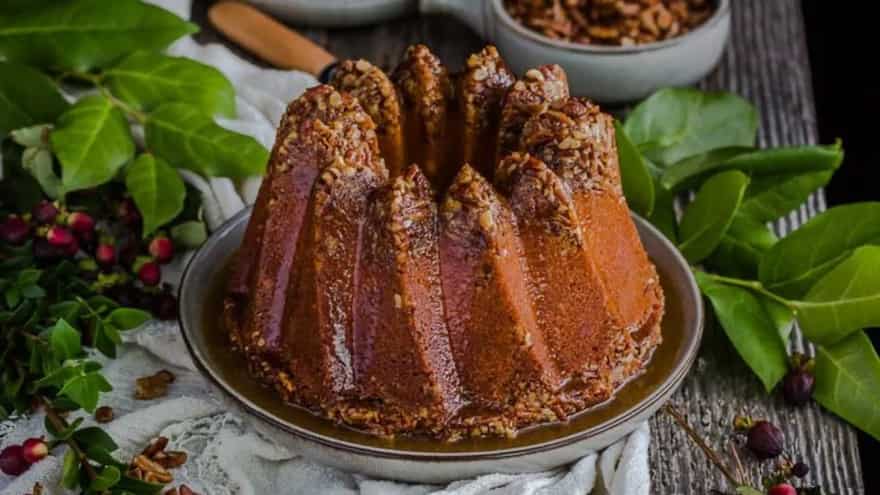
Image Credit: Pexels
Fruit & Nut Kugelhopf
The Fruit and Nut Kugelhopf is vibrant and full of different textures. Crunchy nuts like walnuts and pistachios mix with dried fruits like apricots, cranberries, and cherries. This vibrant version is perfect for celebrations, offering a sweet, tangy, and nutty bite in every slice.
Herb Kugelhopf
A distinctive take on the traditional sweet cake is Herb Kugelhopf. It has a savoury, aromatic flavour and is sometimes studded with cheese or olives and infused with herbs like rosemary, thyme, or chives. It's light and airy, yet full of flavour and perfume, making it ideal as a brunch centrepiece or appetiser.




